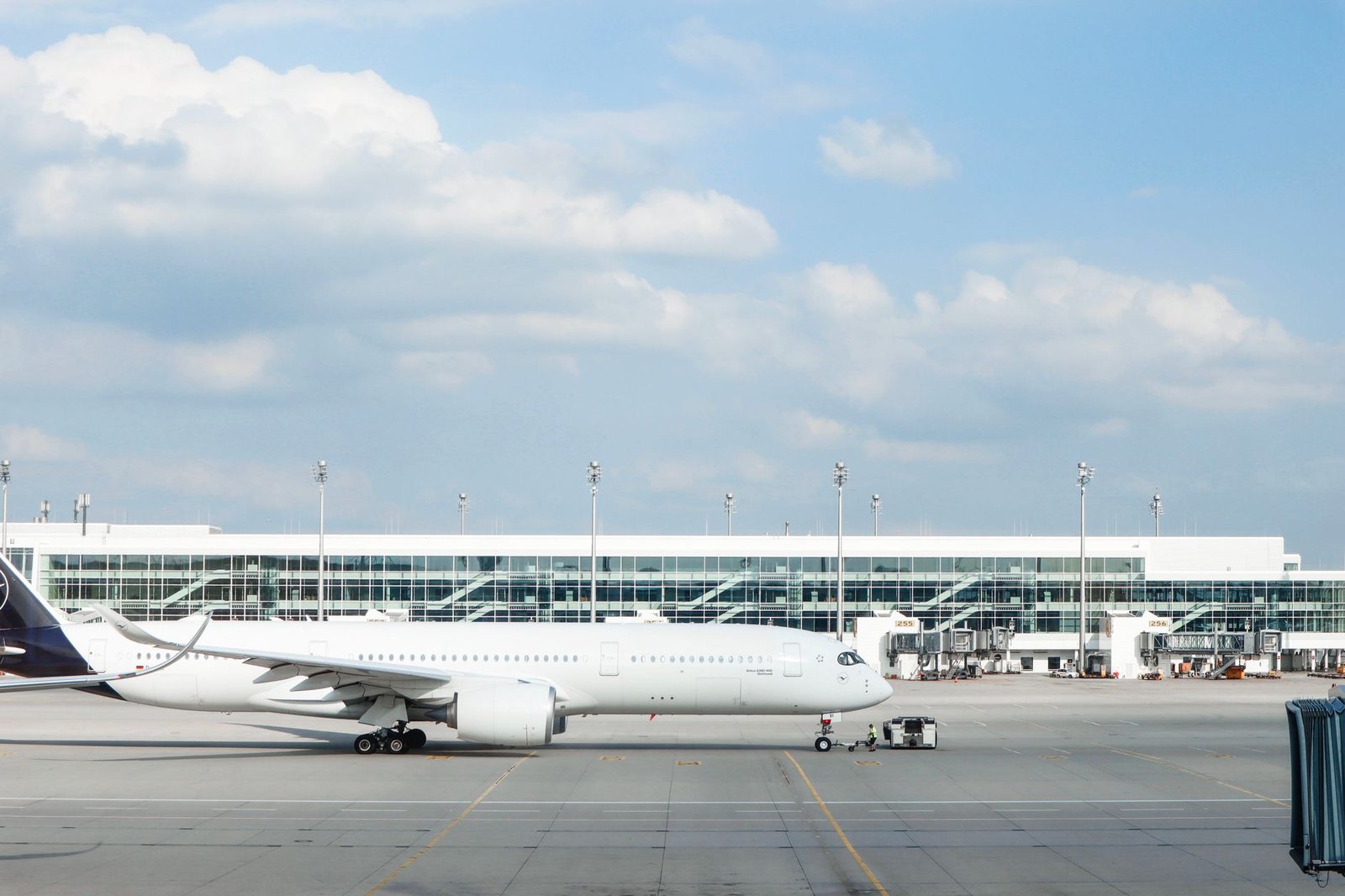
Korean Air is a sound, full-service choice for Canadians flying to Seoul, especially for its baggage allowance and Incheon connections. Check fare rules and seat details before booking.
What Korean Air Is Like on the Vancouver and Toronto Routes
Korean Air is South Korea's long-established full-service carrier, and it flies from Canada to Incheon International Airport (ICN), the main gateway for Seoul. Canadians usually look at it from Vancouver (YVR) or Toronto (YYZ), where it competes with other airlines on the same routes, including itineraries that connect through other hubs.
The honest answer to "is it good?" is that it is a dependable full-service option, and its main practical strengths for Canadians are generous checked baggage on most fares and a nonstop route into the airport most visitors need. This guide does not rank it against carriers from other countries; it focuses on what you can expect and what to verify yourself.
Flight timetables and exact flight durations for YVR and YYZ were not verified for this article. Check the current schedule on the Korean Air website before you plan hotel nights or onward trains, because departure days and times can change by season.
As a rule, nonstop flights from Canada arrive in Korea the following day because of the time difference and the length of the journey. Build a buffer into your first day rather than booking a tight afternoon activity.
Seats, Legroom, and Economy Comfort on Long-Haul Flights
Korean Air flies Boeing 777 and 787 aircraft on a number of long-haul routes. Exact economy seat pitch and width for the aircraft serving Canada were not confirmed on official pages for this article, so no measurements are given here. If legroom matters to you, look up the aircraft type for your specific flight and check the seat map at booking.
Some practical points apply to any long-haul economy flight on these routes:
- Choose your seat early. Seat selection options and fees vary by fare type, so check what your ticket includes.
- Aisle or window? Aisle seats help on a flight of this length if you like to stand and stretch; window seats suit sleepers.
- Exit rows and bulkheads often have more legroom but may have restrictions, such as limited under-seat storage or fixed armrests.
- Pack a small kit: neck support, eye mask, compression socks and a refillable water bottle to fill after security.
If you plan to pay for an upgrade or a higher cabin, compare the price difference against the total trip cost and consider whether the extra comfort is worth it on the outbound leg, when you arrive needing to be functional, or on the return home.
Meals, Inflight Entertainment, and Service Quality
Full-service carriers generally include meals, drinks and inflight entertainment in the fare, and Korean Air follows that model on its long-haul flights. Specific menus change, so treat any description as a general guide rather than a promise.
On a long flight to Seoul you can usually expect at least one main meal and a lighter meal before landing, with a choice that often includes a Korean option. Bibimbap is a well-known inflight Korean dish: rice served with seasoned vegetables and gochujang (red chilli paste) that you mix together yourself. If you have dietary needs, special meals typically need to be requested in advance through your booking, so check the airline's rules after you buy the ticket.
Service is generally described as polished and formal, with a focus on routine and attentiveness. That suits travellers who want predictability. If you prefer a more relaxed or casual style, you may find it more reserved than you expect.
Download any shows, music or podcasts you want before you fly. Do not rely on the seatback screen alone, since you cannot know in advance whether the system will have the titles you want.
Baggage Allowances and Fare Rules to Check Before Booking
Baggage is where Korean Air is easy to explain for Canadians, because the rules for flights departing Canada are clear. All figures below come from Korean Air and were checked in November 2026; the airline can change them, so confirm on the free baggage page before you travel.
| Fare type | Free checked bags | Limits per bag |
|---|---|---|
| Economy (standard/flex) | 2 bags in Economy (standard/flex); Economy Saver gets 1 bag (as of November 2026, Korean Air) | Up to 23 kg (50 lbs); 158 cm (62 in) total linear dimensions |
| Economy Saver | 1 bag (as of November 2026, Korean Air) | Up to 23 kg (50 lbs); 158 cm (62 in) total linear dimensions |
Excess baggage fees on departures from Canada, per the excess baggage page (as of November 2026, Korean Air):
- Third bag: CAD 175
- Overweight bag (23 kg to 32 kg): CAD 175
- Oversize bag (159 cm to 203 cm): CAD 175
- Oversize bag (203 cm to 292 cm): CAD 350
The gap between Economy and Economy Saver is the main thing to notice. A cheaper Saver fare includes one bag rather than two, so if you are travelling with luggage for a long stay, compare the total cost rather than the headline fare.
Change and cancellation fee tiers for economy tickets bought in Canada were not verified for this article. Read the fare conditions shown at checkout, and check them again in your booking confirmation, before paying. If your plans are uncertain, that fine print matters more than the baggage rule.
Arriving at Incheon: Immigration, K-ETA, and Getting to Seoul
Entry rules matter as much as the flight. According to VisitKorea, Canadian passport holders are temporarily exempt from the K-ETA until December 31, 2026, so no application fee or prior authorization is required to board flights to South Korea during that period (as of November 2026, VisitKorea). Check the official VisitKorea page before departure, especially if your trip falls near or after that date.
When a K-ETA is required, or if you choose to apply voluntarily so you can skip the paper arrival card, the fee is 10,000 KRW plus online handling fees. It is valid for 3 years or until your passport expires, and it must be submitted online before boarding (as of November 2026, VisitKorea). For a broader look at entry rules for another nationality, see Korea Entry Requirements for UK Travellers, though the rules differ by passport.
Prices and hours can vary by branch and season — check the official site before you go.
To reach central Seoul, the AREX Express Train from Incheon Airport Terminal 1 to Seoul Station takes 43 minutes nonstop (as of November 2026, Incheon International Airport). The fare was not verified, so check the AREX guide or the ticket machines at the airport.
- Clear immigration and collect your bags.
- Follow the signs for AREX in the transport centre.
- Buy a ticket for the Express or take the all-stop service, depending on your budget and destination.
- Get off at Seoul Station, or continue by subway or taxi.
If you plan to continue to Busan, see Board KTX to Busan: Step-by-Step Guide. For help once you land, Is Seoul English Friendly? covers what to expect with signs and language.
Who Korean Air Suits Best and When to Consider Other Options
Korean Air tends to suit travellers who value a full-service flight, a nonstop arrival at Incheon, and generous baggage on standard economy fares. That includes families, students moving for a semester, and anyone carrying gifts or gear for a longer stay.
It may be less suitable if you are chasing the lowest possible fare and plan to travel light, in which case a cheaper itinerary, even with a connection, might make more sense. Likewise, if you need very flexible tickets, compare the change and cancellation conditions across airlines before you commit, since those details were not verified here.
Before you book, run through a short checklist:
- Confirm the current schedule from YVR or YYZ on the official site.
- Compare Economy and Economy Saver on total price, including bags.
- Check the aircraft type and seat map.
- Read the fare rules for changes and refunds.
- Check K-ETA status for your travel dates.
In short, Korean Air is a solid, practical choice for Canadians heading to Seoul, provided you check the fare type, baggage and entry rules in November 2026 terms and again closer to departure. Once you land, the South Korea travel safety guide is a useful next read for planning your trip.
Sources checked November 2026: koreanair.com, koreanair.com, visitkorea.or.kr, arex.or.kr.