Planning a first trip to Seoul requires understanding airport transit, choosing the right transit card, and selecting a neighborhood base that matches your travel pace.
Best Time to Visit Seoul and Seasonal Expectations
Seoul experiences four distinct seasons, each offering a drastically different travel experience across its urban districts and natural spaces. Spring, which spans from March through May, is one of the most popular times to visit due to comfortable, mild temperatures and vibrant floral blooms. Cherry blossoms typically peak across city parks, riverbanks, and palace grounds during late March and early April, attracting large numbers of domestic and international travelers. Autumn, running from September through November, provides similarly ideal travel conditions with crisp, dry air, clear blue skies, and rich red and yellow foliage sweeping across surrounding mountain ridges and historic streetscapes.
Summer brings hot temperatures and heavy precipitation, particularly during the annual monsoon period that typically occurs between late June and late July. High humidity levels during July and August make outdoor walking demanding, though Seoul's extensive network of air-conditioned underground shopping centers, museums, and modern commercial complexes provides ample indoor alternatives. Winter, lasting from December through February, introduces freezing temperatures that frequently drop below zero degrees Celsius, accompanied by dry winds and occasional snowfall. While outdoor exploration requires quality thermal clothing, winter visitors benefit from fewer crowds at major historical sites and festive holiday light installations across major commercial hubs.
When planning a seasonal itinerary, timing your activities according to sunlight hours and foliage shifts maximizes sightseeing efficiency. For comprehensive details on bloom schedules, foliage tracking, and recommended photography locations, consult our Seoul Cherry Blossom & Autumn Foliage Peak Guide as well as our guide on Seoul Seasonal Photography Routes and Timing Techniques.
Arrival Logistics and Airport Transit from Incheon to Downtown
Most international flights to Seoul land at Incheon International Airport (ICN), located roughly 50 kilometers west of central Seoul across two primary passenger terminals (Terminal 1 and Terminal 2). Modern transit infrastructure connects both terminals directly to the heart of the city, giving incoming travelers reliable choices between non-stop rail lines, all-stop commuter trains, airport limousine buses, and official taxi services. Choosing the right option depends on your total luggage volume, budget, and final hotel destination.
The Airport Railroad Express (AREX) Express Train provides direct, non-stop passenger service between Incheon Airport and Seoul Station. Travel time on the Express Train is approximately 43 minutes from Terminal 1 and 51 minutes from Terminal 2. The standard adult one-way fare for the AREX Express Train is 11,000 KRW (as of October 2026, Visit Seoul), with a discounted rate of 9,500 KRW often available when booking tickets online prior to arrival. Passengers on the Express Train receive assigned seating, complimentary Wi-Fi access, and overhead luggage storage racks.
Prices and hours can vary by branch and season — check the official site before you go.
- AREX Express Train Direct Travel Time
- 43 mins (Terminal 1) / 51 mins (Terminal 2) to Seoul Station
- AREX Express Adult Fare
- 11,000 KRW standard / 9,500 KRW discounted rate (as of October 2026, Visit Seoul)
- AREX All-Stop Train Travel Time
- 59 mins (Terminal 1) / 66 mins (Terminal 2) to Seoul Station
Alternatively, the AREX All-Stop Train operates along the same rail corridor but stops at 14 stations along the route, taking about 59 minutes from Terminal 1 and 66 minutes from Terminal 2 to reach Seoul Station. The All-Stop Train operates like a standard subway with bench seating and uses regular transit card fares. Airport Limousine Buses offer another convenient alternative, running direct routes from both terminals to key hotel areas like Myeongdong, Gangnam, Dongdaemun, and Hongdae, eliminating the need to transfer luggage through subway stations.
Getting Around: T-Money, Climate Card, and Transit Passes
Seoul possesses one of the world's most advanced public transportation networks, combining interconnected subway lines, extensive city bus routes, and affordable taxis. Navigating this network requires using a rechargeable fare card or a designated multi-day pass. The standard transit card system utilized across South Korea is T-money, which provides discounted transfer rates between subways and buses when tapping in and out at turnstiles and vehicle doors.
A basic blank T-money card costs 3,000 KRW at convenience stores such as CU, GS25, and Seven-Eleven (as of October 2026, T-Money). Specialty versions featuring popular animated characters, custom graphics, or collector designs range from 4,000 to 5,000 KRW (as of October 2026, T-Money). After purchasing the physical card, travelers load cash value (Korean Won) onto it at convenience store counters or automated ticket reload machines inside subway stations. T-money balances can also be used to pay for small convenience store purchases, vending machines, and taxi fares.
Transit Pass Rule: Always tap your transit card against the electronic reader when entering AND when exiting subway stations or city buses. Failing to tap out when transferring results in a maximum distance surcharge and invalidates the automatic free transfer discount between lines.
For visitors planning frequent daily transit trips within municipal boundaries, the Seoul Climate Card offers an unlimited transit pass option. The Climate Card tourist pass costs 5,000 KRW for a 1-day pass, 8,000 KRW for 2 days, 10,000 KRW for 3 days, 15,000 KRW for 5 days, and 20,000 KRW for 7 days, plus a 3,000 KRW physical card fee (as of October 2026, T-Money). Note that while the Climate Card covers Seoul subway lines and municipal buses, it does not cover the AREX Express Train or suburban train extensions far outside Seoul city limits.
Navigation Apps and Essential Digital Tools for Tourists
Navigating Seoul effectively requires downloading local digital mapping tools prior to arrival. Due to national security regulations regarding geographic mapping data, foreign navigation applications like Google Maps often provide incomplete pedestrian walking routes, inaccurate bus schedules, or outdated shop opening hours within South Korea. Relying on local Korean applications ensures real-time accuracy and precise step-by-step guidance.
According to travel resources from Visit Korea, Naver Map, KakaoMap, Subway Korea, and k.ride offer comprehensive transit navigation, route planning, and ride-hailing services with full English support in South Korea (as of October 2026, Visit Korea). Downloading Naver Map before arrival allows non-Korean speakers to search locations using English text or phone numbers, save hotel pins, check live subway arrival schedules, identify exact subway exit numbers, and preview walking paths. KakaoMap offers similar functionality with live bus tracking features.
For calling taxis without language barriers, k.ride and Kakao T allow international visitors to set pick-up points and final destinations digitally while paying via registered cards or directly to the driver. For practical advice on overcoming language barriers and managing daily communications, review our guide on Is Seoul English Friendly? 3 Things to Know Before You Go.
Where to Stay: Selecting Your Ideal Neighborhood Base
Selecting the right neighborhood base for your trip depends on your travel style, budget, group composition, and evening activities. Seoul is geographically vast, bisected into northern (Gangbuk) and southern (Gangnam) regions by the Han River. First-time visitors generally benefit from staying north of the river, where historical palaces, traditional street markets, and central transit nodes are tightly clustered.
Myeongdong and Central Jung-gu serve as prime locations for first-timers seeking high convenience. These districts feature central transportation hubs, straightforward direct bus links to Incheon Airport, foreign currency exchange stalls, and bustling pedestrian shopping streets. Hongdae (Hongik University area) appeals strongly to younger travelers and solo tourists who prioritize vibrant nightlife, indie fashion boutiques, live street performances, and budget-friendly street food options.
Night Safety in Entertainment Districts: Seoul consistently maintains an exceptionally low rate of violent crime. However, busy entertainment districts like Hongdae Club Street require standard personal awareness late at night regarding heavy crowds, intoxicated individuals, and modified late-night taxi rates.
For visitors interested in culture and historic Hanok architecture, Insadong, Anguk, and Bukchon offer atmospheric, quieter surroundings located within easy walking distance of major Joseon-era royal palaces. To explore late-night safety, district atmospheres, and walking conditions in detail, consult our safety articles: Review of Walking Alone at Night in Myeongdong After Shops Close, Walking Alone in Hongdae Club Street Late at Night, and Is It Safe for a Solo Female Traveler to Walk at Night in Hongdae or Myeongdong?.
Must-See Landmarks, Historic Palaces, and Cultural Highlights
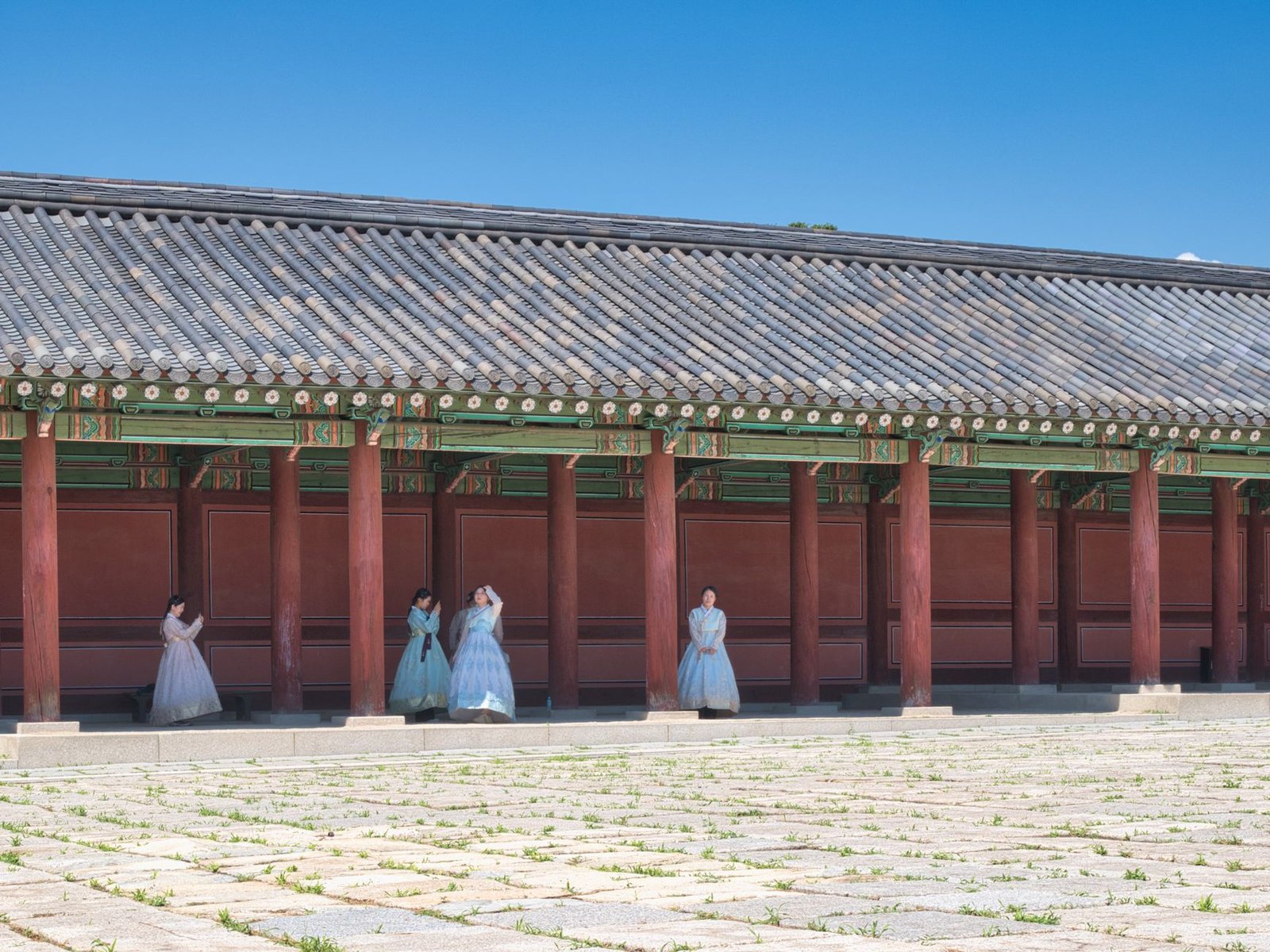
Seoul's urban landscape reflects centuries of royal dynasty heritage alongside cutting-edge modern engineering. The five royal palaces built during the Joseon Dynasty form the backbone of the city's historic center. Gyeongbokgung Palace, originally constructed in 1395 as the main royal residence, stands out for its sprawling courtyards, grand throne halls, and scenic pavilion gardens set against Mount Bugaksan.
Gyeongbokgung Palace operating hours are 09:00–17:00 from November to February, 09:00–18:00 from March to May and September to October, and 09:00–18:30 from June to August, with last entry permitted 1 hour before closing (closed Tuesdays); standard adult admission is 3,000 KRW, while entry is free for visitors under age 19, ages 65 and older, or anyone wearing traditional Korean hanbok clothing (as of October 2026, Visit Korea).
- Gyeongbokgung Palace Adult Ticket
- 3,000 KRW (Free for under 19, 65+, or wearing Hanbok) (as of October 2026, Visit Korea)
- Gyeongbokgung Palace Weekly Closure
- Closed every Tuesday
- N Seoul Tower Observatory Adult Ticket
- 26,000 KRW (Ages 19+) (as of October 2026, Visit Seoul)
- N Seoul Tower Observatory Child/Senior
- 20,000 KRW (Ages 3–12, 65+) (as of October 2026, Visit Seoul)
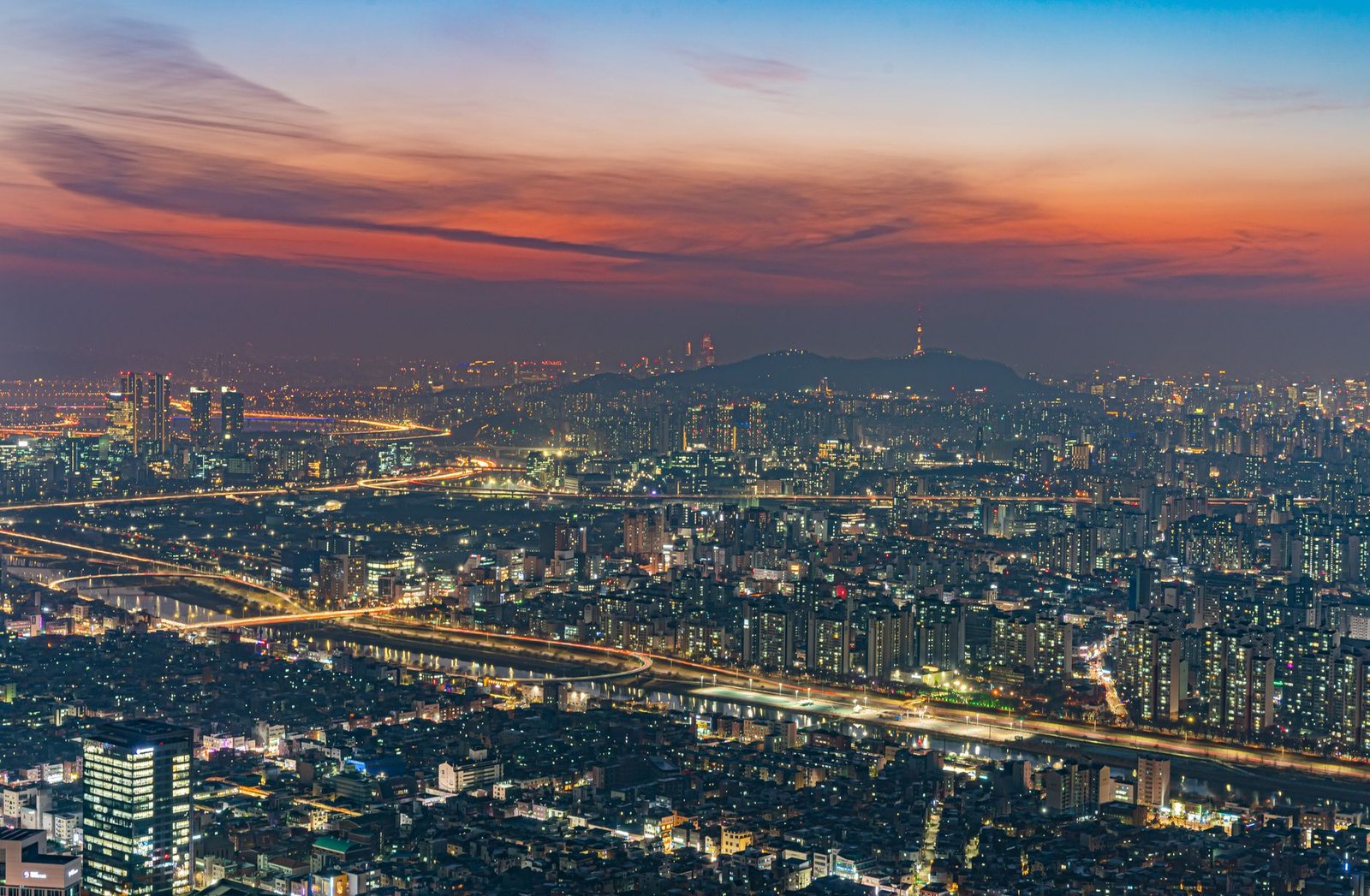
Another prominent landmark is N Seoul Tower, located atop Namsan Mountain in central Seoul, offering 360-degree panoramic views across the city skyline. Standard entry fees for the N Seoul Tower observatory are 26,000 KRW for adults (ages 19 and up) and 20,000 KRW for children (ages 3 to 12) and seniors (as of October 2026, Visit Seoul). To plan complete self-guided sightseeing routes, explore The Perfect Seoul Walking Tour: Gwanghwamun Square to Gyeongbokgung Palace, review Things to Do in Insadong: The Perfect 1-Day Seoul Itinerary, and read Where Can You See Seoul Old and New in One Frame?.
Culinary Capital: Night Markets, Street Food, and Dining
Sampling local cuisine is a cornerstone of any visit to Seoul. The capital's dining landscape ranges from traditional covered street markets to modern dining halls and neighborhood barbecue establishments. Gwangjang Market, located in Jongno-gu, is one of South Korea's oldest operating continuous markets, famous for its energetic central food aisle lined with open cooking counters.
Signature dishes at Gwangjang Market include crispy bindaetteok (mung bean pancakes freshly fried in oil), mayak gimbap (mini seaweed rice rolls served with mustard dipping sauce), and yukhoe (seasoned raw beef tartare). Seating at market stalls consists of bench seating directly in front of food vendors. While major food stalls increasingly accept credit cards, holding small amounts of local cash is helpful for smaller market transactions.
To help navigate market stall etiquette and menu options, read our detailed dining guides: Gwangjang Night Market Ordering Guide, Gwangjang Market Food Guide: Ordering Yukhoe, Bindaetteok, and Stall Payment Tips, and Gwangjang Market Seoul: What to Eat and How to Avoid the Crowds.
Solo dining in Seoul has become increasingly easy due to the growing popularity of solo-friendly restaurants (honbap culture) featuring automated ordering kiosks and single-diner partition counters. For practical advice on finding solo-friendly establishments, refer to Solo Dining in Seoul: The Best Restaurants for Eating Alone.
Seoul Shopping Hubs: From Traditional Markets to Modern Flagships
Shopping options in Seoul range from subterranean discount transit markets to high-end designer flagships and wholesale garment complexes. Myeongdong Shopping Street serves as the main hub for global skincare brands and Korean cosmetics outlets. Participating retailers routinely offer immediate tax deductions directly at store registers for international shoppers who show valid passport documentation.
Dongdaemun represents Seoul's primary fashion and wholesale textile center, anchored by high-density retail malls such as Doota and Migliore alongside late-night wholesale buildings. Hongdae offers boutique fashion shops, vintage apparel outlets, and independent lifestyle designs geared toward youth trends. Meanwhile, repurposed industrial zones like Seongsu-dong host flagship stores, popup retail spaces, and designer cafes.
- Present Passport at Retail Checkout: Present your physical passport at store registers displaying Immediate Tax Refund signage to deduct local value-added tax directly from your total bill.
- Retain Purchase Vouchers: For purchases processed under standard tax refunds, keep all printed tax refund vouchers alongside itemized store receipts.
- Scan Receipts at Incheon Airport: Scan your passport and receipts at automated airport tax refund kiosks before clearing security to finalize cash or card credit refunds.
For additional details on shopping logistics and market itineraries, consult our guide links: Tax Refund Guide for Seoul Shopping, Hongdae Boutique Shopping Guide for Tourists, Dongdaemun Market Best Shopping Hours, and Seongsu-Dong and Hannam-Dong Cafes: Seoul's Two Hottest Neighborhoods.
Experiential Seoul: K-Culture, Beauty, and Wellness
Beyond classic sightseeing, visitors to Seoul frequently engage in specialized personal culture and wellness experiences. Personal color analysis has become a highly sought-after service, where certified color consultants analyze skin undertones, hair shade, and contrast ratios to recommend specific clothing palettes, cosmetic colors, and jewelry styling choices.
K-pop tourism remains another major draw for international visitors, centered primarily around the Gangnam and Seongsu districts. Key pilgrimage spots include K-Star Road lined with GangnamDoll statues representing popular music groups, entertainment company headquarters, and concept stores. Modern skin clinics and aesthetic centers throughout Gangnam and Myeongdong cater to foreign patients with specialized skin care procedures and dedicated multilingual translation staff.
Plan these specialized activities using our targeted guides: Personal Color Analysis in Seoul: How to Book a Session in English or Japanese, GangnamDoll Statues Complete Photo Zone Guide, SM Entertainment HQ K-pop Pilgrimage Guide, and Best Skin Clinic in Seoul: Top 5 Foreigner-Friendly Options with English Staff.
Outdoor Activities: Han River Parks and City Mountain Hikes
Despite its high urban density, Seoul offers convenient outdoor activities and access to nature. The Han River flows through the city, flanked by eleven public riverfront parks including Yeouido, Banpo, and Ttukseom. A popular local activity is eating instant ramen cooked using automated induction boiling units located at riverside convenience stores, often enjoyed as part of outdoor lawn picnics.
For hikers, Seoul is enclosed by granite mountains easily accessible via municipal subway lines. Bukhansan National Park, situated along the northern border of the city, offers marked hiking trails, historical fortress walls, and scenic granite peak vistas overlooking the metropolitan expanse below. Specialized rental centers near mountain entry stations allow tourists to rent hiking boots and trekking poles without carrying heavy equipment from home.
To structure your outdoor excursions, consult our dedicated guides: Ultimate Guide to Han River Ramen: How to Use the Machine Like a Local, How to Picnic at Han River Like a Local: A Step-by-Step Guide, No Hiking Gear? Here's How to Rent Everything You Need for Bukhansan, and Best Hikes in Seoul: Top 3 Mountains You Can Reach by Subway.
Practical Daily Budgeting, Etiquette, and Travel Final Planner
Effective daily budgeting for a Seoul trip involves balancing fixed transport costs, admission tickets, dining, and casual shopping expenses. Credit cards are accepted across most restaurants, cafes, retail chains, and taxi rides. However, keeping modest amounts of physical cash (Korean Won) is essential for reloading physical T-money transit cards at subway kiosks and making purchases at small night market street food stalls.
When interacting with service staff or elders, observing basic local etiquette makes daily exchanges smoother. Use both hands when giving or receiving items such as credit cards, payment receipts, or business cards. Tipping is non-customary in South Korea across restaurants, cafes, hotels, and taxis; gratuity is not expected and may be declined. On public subways and buses, keep designated priority seating areas (located at the ends of train cars) open for elderly, disabled, or pregnant commuters, even when cars are busy.
By organizing your arrival route from Incheon Airport, securing a local transit card, installing Naver Map on your phone, and selecting a central neighborhood base, your visit to Seoul will run efficiently. Always check official venue websites prior to your departure dates to verify operating schedules, and consult Korea360's detailed regional guides to finalize your daily sightseeing routes.
All Seoul guides on Korea360
- Seoul Cherry Blossom & Autumn Foliage Peak Guide: Timing & Top Photo Spots
- Seoul Seasonal Photography Routes and Timing Techniques for Stunning Peak Shots
- Korean Han River Ramen Maker & Viral Convenience Store Combination Recipes
- Korean vs Japanese Convenience Stores: Han River Ramen Cookers & Secret Combinations
- Gwangjang Night Market Ordering Guide: Expert Tips for Visiting with International Friends
- Gwangjang Market Food Guide: Ordering Yukhoe, Bindaetteok, and Stall Payment Tips
- Gwangjang Market Night Stalls: Beginner Ordering, Payments & Menu Guide
- Review of Walking Alone at Night in Myeongdong After Shops Close: Solo Female Safety Guide
- Walking Alone in Hongdae Club Street Late at Night: Reality Check and Solo Female Safety Tips
- Is It Safe for a Solo Female Traveler to Walk at Night in Hongdae or Myeongdong?
- GangnamDoll Statues Complete Photo Zone Guide
- Gangnam Hallyu Street Public Transit Full Guide
- SM Entertainment HQ K-pop Pilgrimage Guide
- Gangnam Hallyu Walk From Subway to K-Star Road
- Tax Refund Guide for Seoul Shopping
- Hongdae Boutique Shopping Guide for Tourists
- Dongdaemun Market Best Shopping Hours
- Solo Dining in Seoul: The Best Restaurants for Eating Alone
- Personal Color Analysis in Seoul: How to Book a Session in English or Japanese
- Where Can You See Seoul Old and New in One Frame?
- Seongsu-Dong and Hannam-Dong Cafes: Seoul's Two Hottest Neighborhoods
- Is Seoul English Friendly? 3 Things to Know Before You Go
- How Do Koreans View Environmental Sustainability? Inside Seoul's Zero-Waste Movement
- No Hiking Gear? Here's How to Rent Everything You Need for Bukhansan
Sources checked October 2026: visitseoul.net, trip.com, tmoney.co.kr, visitkorea.or.kr, tmoney.co.kr, visitkorea.or.kr.