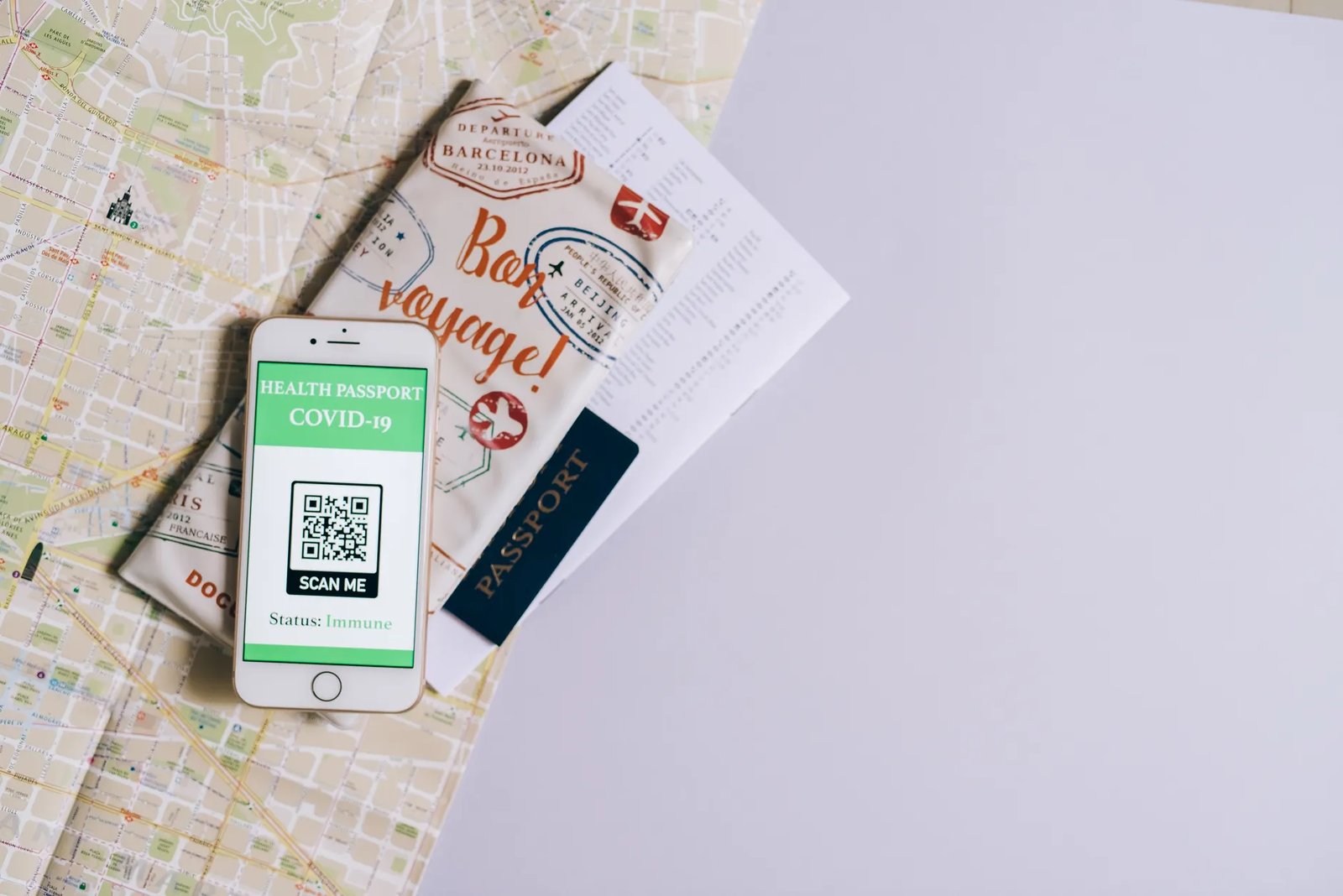
For Korea only, a local KT prepaid eSIM is a solid pick; for Korea plus Japan, a regional eSIM such as Airalo, Nomad or Ubigi is simpler. Your phone must be unlocked either way.
Why a Korea and Japan Trip Needs Planning for Data
Korea and Japan are often combined in one itinerary, and mobile data is one of the few things that does not carry over neatly. A SIM built for one country will not necessarily work in the other, and the cheapest option for a Seoul-only week is rarely the easiest for a two-country trip.
The decision usually comes down to three questions: how long you will stay in each country, whether you need a Korean phone number, and whether your phone is unlocked. This guide ranks the realistic options for Korea and notes where a Japan-focused plan or a regional plan changes the answer.
Your phone must be unlocked (country lock removed by your home carrier) before you can use a Korean local eSIM or physical SIM (KT, as of October 2026). Check this before you buy anything.
Types of eSIMs and Travel SIMs Available for Korea
Here are the six practical picks, in the order most visitors will find useful. Each has one honest drawback.
1. KT prepaid eSIM, Data Only
What it is: A local prepaid eSIM from KT, designed for short-term foreign tourists. Why it fits: Straightforward data on a major Korean network, with 11GB of high-speed data per day, then unlimited at 5Mbps (as of October 2026, KT). Price: 7 days ₩35,000, 15 days ₩55,000, 30 days ₩71,500 (as of October 2026, KT). Drawback: It covers Korea only, so you will need something else in Japan.
2. KT prepaid eSIM, Data & Voice
What it is: The same KT product with a Korean number for calls and SMS. Why it fits: Useful if you need to call restaurants, guesthouses or taxis. Price: 7 days ₩40,500, 15 days ₩60,500, 30 days ₩77,000 (as of October 2026, KT). Drawback: Voice and outgoing SMS stay restricted until you complete passport identity verification (entry check) at an airport roaming center or online after arrival (KT, as of October 2026). For details, see our guide to a Korea eSIM with a phone number.
3. KT prepaid eSIM, Data & Travel
What it is: A lower-priced KT variant. Price: 7 days ₩31,500, 15 days ₩49,500, 30 days ₩64,300 (as of October 2026, KT). Why it fits: It is the cheapest KT tier for longer stays. Drawback: The notes do not detail what the travel extras include, so read the plan description on the KT roaming page before choosing it.
4. Airalo regional eSIM (Asialink)
What it is: A multi-country regional eSIM that covers both South Korea and Japan in one data package (Airalo). Why it fits: One install and one purchase for the whole trip. Drawback: Regional plans are fixed-size data bundles, so heavy users should compare the allowance against daily needs. I could not verify current Airalo prices, so check the app.
5. Nomad and Ubigi regional plans
What they are: Other global providers selling multi-country packages that include Korea and Japan (Airalo overview of regional providers). Why they fit: Useful for comparing prices if Airalo's bundle does not match your trip length. Drawback: Plan names, data sizes and prices change often, and none are verified here. Check each provider's current listing.
6. SK Telecom and LG U+ tourist plans, and airport counters
What they are: SK Telecom and LG U+ also sell eSIM and physical SIM plans to foreign visitors (VisitKorea). Roaming centers at Incheon, Gimpo, Gimhae and Jeju airports offer SIM pickup, eSIM help and Wi-Fi egg rentals (VisitKorea). Why it fits: Good if you prefer in-person help. Drawback: Current SK Telecom and LG U+ prices and Incheon pocket Wi-Fi fees could not be verified, so confirm them at the counter or the carrier site. See also SIM and eSIM options at Incheon Airport.
Choosing a Plan Based on Trip Length and Data Needs
Match the plan to your route rather than to the headline price.
| Trip pattern | Sensible choice |
|---|---|
| Korea only, up to a week | KT 7-day Data Only (₩35,000, as of October 2026, KT) |
| Korea only, around two weeks | KT 15-day (₩55,000 Data Only, as of October 2026, KT) |
| Korea only, a month | KT 30-day (₩71,500 Data Only, as of October 2026, KT) |
| Korea plus Japan | Regional eSIM covering both, or a Korea plan plus a separate Japan plan |
| Need a local number | KT Data & Voice, with passport verification |
KT's tourist plans can be used for a maximum cumulative 90 days from first activation (as of October 2026, KT), which is rarely an issue for tourists. The 11GB daily allowance is generous for maps, messaging and video calls; after it runs out, speed drops to 5Mbps until it resets at midnight (KT, as of October 2026).
If you split the trip evenly, a regional eSIM is easier. If you spend most of it in Korea, a local KT plan usually gives clearer daily data terms, with a separate Japan plan for the shorter leg.

Setting Up Your eSIM Before You Land
Foreign eSIM profiles such as Airalo's can be bought and installed before departure. The validity period starts once the phone connects to a supported network after landing (Airalo). That makes pre-installing low risk. For a beginner walkthrough, see eSIM for beginners.
- Confirm your phone supports eSIM and is carrier-unlocked.
- Buy the plan and install the profile over Wi-Fi at home.
- Keep your home SIM or eSIM as the primary line if you want to receive verification texts.
- On landing, turn on data roaming for the travel eSIM and switch the mobile data line to it.
- For KT voice plans, complete passport verification at an airport roaming center or online.
For a wider look at money and connectivity, see Korea travel essentials.
Using Data in Korea: Maps, Transport, and Translation Apps
Korea's three nationwide carriers, SK Telecom, KT and LG U+, provide 5G in Seoul and the major cities (VisitKorea), and a KT-based plan uses one of them directly. In practice, data matters most for navigation, translation, and train or ticket apps.
- Maps: Download offline areas as a backup, but expect to use live data for transit routes.
- Translation: Camera translation uses more data than text. The daily allowance on KT plans is ample for this.
- Transport: Live schedules and bookings are easier with data. If you are heading south, see KTX versus flights to Busan.
Throttling to 5Mbps after the daily allowance is still fine for maps and messaging, but not ideal for video streaming.
Practical Tips for Switching Between Korea and Japan
Switching countries is where problems appear. Keep these points in mind.
- Install both profiles before you leave home if you use separate plans, and label them clearly, such as "Korea" and "Japan".
- Switch the active data line manually in settings and turn data roaming on only for the eSIM you are using.
- Keep a home number active for banking codes; a travel eSIM may be data-only.
- Do not activate a plan with a fixed validity window too early. For foreign eSIMs, validity starts on first connection (Airalo), but check each provider's own rule.
- Keep the phone unlocked and charged for the flight, so you can connect quickly on arrival.
In short: choose a local KT plan if Korea is the main destination and you want clear daily data terms, and choose a regional eSIM if you want one install for both countries. Whichever you pick, confirm your phone is unlocked and check live prices on the provider's site, since only the KT figures above were verified (as of October 2026). The Korea SIM and eSIM purchase guide offers more detail on buying options.
Prices and hours can vary by branch and season — check the official site before you go.
Sources checked October 2026: visitkorea.or.kr, facebook.com, airalo.com, kt.com, reddit.com.