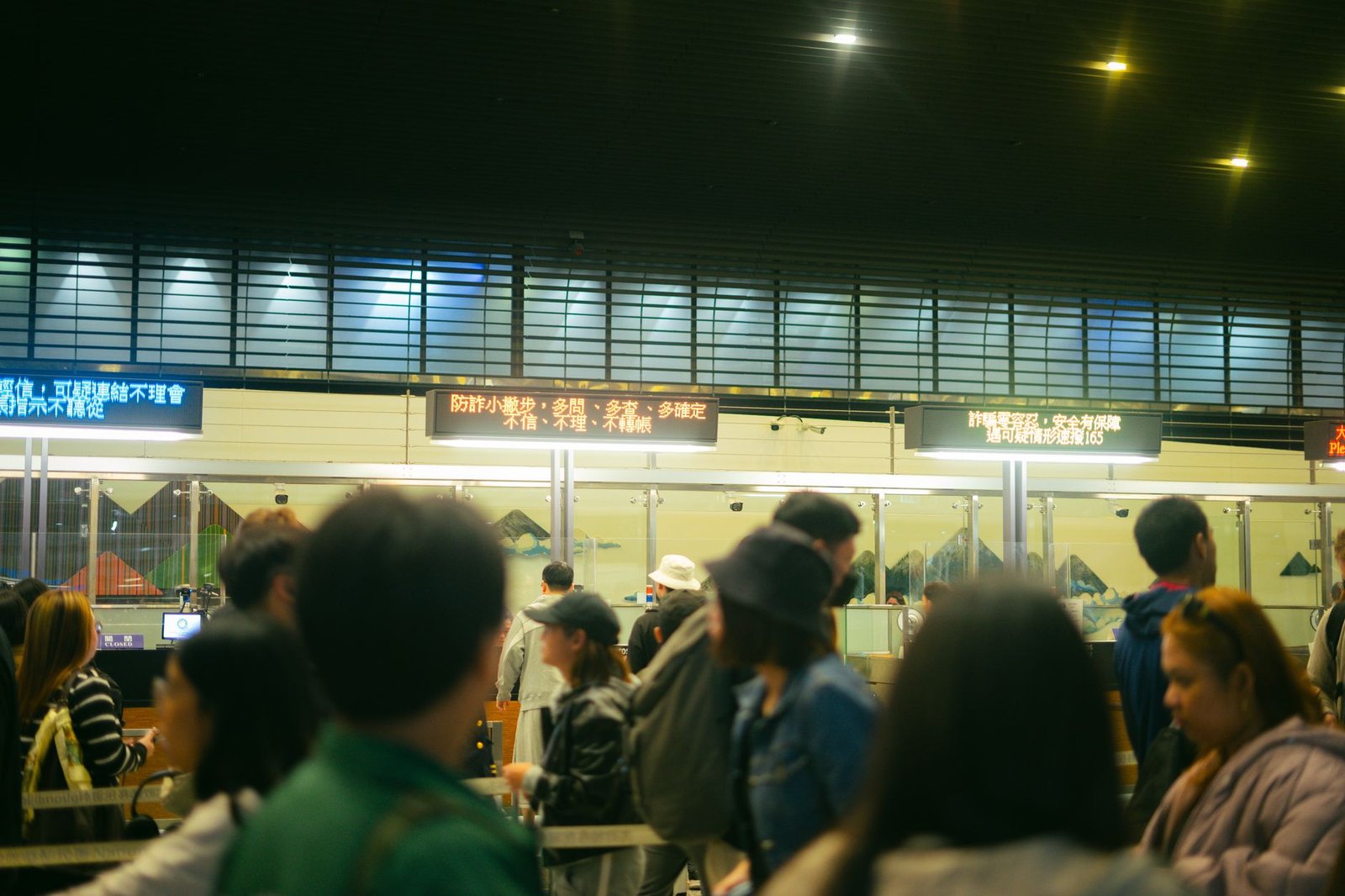
US travelers entering South Korea benefit from temporary K-ETA exemptions through December 31, 2026, but must submit an e-Arrival Card within 72 hours. Updated regulations also enforce strict tax-free limits, hotel amenity restrictions, and public transit baggage caps.
Overview of Recent Korea Tourism Laws and Policy Changes
South Korea has introduced updated regulations and legislative policies designed to streamline border entry, protect municipal environments, and ensure safe, regulated accommodation for international travelers. For visitors traveling from the United States, keeping up with these shifts ensures a hassle-free trip across major hubs like Seoul, Busan, and Jeju Island. Key legislative updates center on digital entry documentation, immediate tax-free retail caps, eco-conscious single-use plastic restrictions, public transit baggage size limits, and host registration mandates for short-term residential rentals.
Understanding these administrative shifts is vital when preparing travel itineraries. While navigating South Korea's urban transit and commercial centers remains straightforward for international travelers—especially given how accessible services are in urban centers (see our guide on Is Seoul English Friendly? 3 Things to Know Before You Go)—failing to follow entry procedures or municipal transit codes can lead to unexpected delays at customs or boarding refusals on municipal transport. This guide breaks down every official update so US passport holders can remain fully compliant throughout their visit.
Navigating K-ETA Requirements and Entry Rules for US Citizens
Entry requirements for South Korea depend on passport nationality, purpose of visit, and duration of stay. US passport holders entering South Korea for temporary tourism or business stays of 90 days or fewer are eligible for specific border exemptions and streamlined digital entry protocols.
Under current Ministry of Justice guidelines, US passport holders visiting South Korea for 90 days or less for tourism or business are temporarily exempt from obtaining a K-ETA through December 31, 2026 (as of October 2026, K-ETA). Travelers entering under this waiver are not required to complete the paid online K-ETA application prior to departure unless they specifically choose to do so. US passport holders may still voluntarily apply for a K-ETA for a fee of 10,000 KRW (as of October 2026, K-ETA) if they wish to skip filling out physical or digital arrival cards upon entering South Korea.
For travelers who elect not to apply for a K-ETA under the temporary exemption, submitting an electronic arrival card is required. Foreign visitors who travel without an active K-ETA must submit an online e-Arrival Card within 72 hours prior to arriving in South Korea (as of October 2026, Visit Korea). Submitting this digital form in advance reduces processing time at immigration checkpoints upon arrival at Incheon International Airport (ICN) or Gimpo International Airport (GMP). Official forms and application portals are maintained directly at k-eta.go.kr and english.visitkorea.or.kr.
Tip: Complete the free online e-Arrival Card on your smartphone within 72 hours before your flight departure. Saving the confirmation barcode to your phone allows you to pass through arrival passport controls smoothly without needing paper entry cards.
Understanding New Tax-Free Shopping Limits and Instant Refunds
South Korea operates an extensive tax refund system allowing foreign tourists to claim refunds on the Value Added Tax (VAT) and Individual Consumption Tax included in retail prices. To boost visitor spending and minimize airport refund line wait times, updated statutory thresholds govern immediate in-store tax refunds at participating retail outlets nationwide.
Under statutory tax refund guidelines, the minimum single transaction purchase required to qualify for an immediate in-store tax refund is 15,000 KRW (as of October 2026, Visit Korea). When purchasing items above this amount at certified Tax-Free shops, visitors can present their US passport at checkout to have the tax deducted on the spot, paying only the net price.
However, statutory upper limits apply to immediate in-store processing:
- The maximum limit allowed for an immediate in-store tax refund on a single purchase receipt is 1,000,000 KRW (as of October 2026, Visit Korea). Purchases exceeding 1,000,000 KRW on a single receipt must be claimed via automated airport refund kiosks or custom service counters prior to departure.
- The cumulative maximum total purchase amount eligible for immediate in-store tax refunds throughout a single trip is 5,000,000 KRW per person (as of October 2026, Visit Korea). Once your cumulative immediate tax refunds reach 5,000,000 KRW across multiple store visits during one stay, subsequent refunds must be processed standardly at export validation counters upon departure.
Understanding these transaction caps helps travelers plan higher-value purchases at department stores and luxury outlets in districts like Myeongdong and Gangnam. For broader spending expectations and cash-handling guidelines, consult our detailed analysis on whether You Need to Tip in Korea.
- Minimum Qualifying Purchase
- 15,000 KRW per receipt (as of October 2026, Visit Korea)
- Max Immediate Refund Single Receipt
- 1,000,000 KRW (as of October 2026, Visit Korea)
- Max Cumulative Immediate Refund Per Trip
- 5,000,000 KRW per person (as of October 2026, Visit Korea)
Eco-Regulations: Disposable Cup Fees and Hotel Amenity Bans
South Korea enforces strict national environmental protection laws aimed at reducing single-use plastic waste across food service, retail, and hospitality sectors. Travelers should prepare for noticeable changes in daily service standards at coffee shops, convenience markets, and hotel rooms.
Cafes, bakeries, and restaurants are strictly restricted from serving in-store dining customers with disposable plastic cups, plastic straws, or plastic stirrers (as of October 2026, korea.net). If you order beverages to consume inside an establishment, staff will serve your drinks in washable glass or ceramic mugs and provide reusable or paper utensils. Disposable take-out cups are strictly reserved for customers taking their orders off the premises.
In retail commerce, convenience stores, grocery markets, and retail outlets are strictly prohibited from giving away or selling single-use plastic shopping bags (as of October 2026, korea.net). Cashiers will offer multi-use fabric bags, heavy-duty paper bags, or official municipal waste bags for purchase instead. Carrying a compact foldable tote bag is highly recommended when visiting neighborhood markets.
Hotel regulations have also been updated under national resource recycling frameworks. Hotels and lodging facilities with 50 or more rooms are legally prohibited from providing free single-use disposable toiletries—including disposable toothbrushes, toothpaste, razors, and small plastic shampoo or body wash bottles (as of October 2026, korea.net). Mid-range and luxury accommodation providers now feature wall-mounted refillable dispensers for soap and shampoo, but personal oral care items must be brought from home or purchased separately at hotel front desks or nearby convenience stores.
These eco-conscious rules extend into municipal resource management. For detailed advice on drinking municipal water supplies safely during your stay, see our analysis on whether Tap Water Is Safe to Drink in Korea.
Public Transport Baggage Rules and Short-Term Rental Laws
Navigating urban transport systems and booking compliant lodging requires adhering to specific municipal rules enforced across South Korean cities. Transit authorities actively manage passenger flow by enforcing strict luggage dimensions, while housing authorities regulate short-term residential rentals.
When traveling on urban rail networks, Metro regulations govern acceptable luggage sizes. On Seoul Metro trains, carry-on baggage must not exceed 158 cm in total combined dimensions (length + width + height) and must weigh 32 kg or less (as of October 2026, Seoul Metro). Standard large check-in suitcases generally fall within these limits, but oversized cargo or bulky equipment exceeding these dimensions is prohibited on passenger trains.
Public surface transit maintains significantly tighter constraints to keep aisles clear and protect passenger safety. On Seoul public city buses, passenger luggage brought into the seating area is strictly restricted to dimensions within 50 cm × 40 cm × 20 cm and a maximum weight of 20 kg (as of October 2026, Visit Seoul). City bus drivers routinely refuse entry to passengers carrying large hard-shell suitcases, large travel backpacks, or oversized boxes. Travelers arriving with full-size luggage must use express airport buses (Limousine Buses), taxis, or the subway network rather than standard city buses.
Warning: Seoul city bus drivers enforce luggage dimensions (50 cm × 40 cm × 20 cm max) strictly. Do not attempt to board local city buses with full-sized airport luggage; use the Seoul Metro or Airport Limousine Bus lines instead.
In short-term accommodation, urban housing and tourism laws set strict licensing criteria for short-term residential rentals, such as those listed on Airbnb. Urban short-term home-sharing hosts catering to foreign visitors must possess and maintain a "Foreign Tourist Urban Homestay Business" (외국인관광 도시민박업) registration issued by their local district office (as of October 2026, korea.net). Furthermore, hosts offering traditional Korean residential accommodations on a short-term basis must possess a "Hanok Experience Business" (한옥체험업) registration (as of October 2026, korea.net). Under national tourism enforcement rules, Airbnb hosts in South Korea must register and publicly display their official business registration number directly on their listing profile (as of October 2026, korea.net). Booking unregistered listings risks unannounced cancellations or police enforcement actions against non-compliant properties.
Key Practical Tips for a Smooth Trip Under Updated Rules
To ensure complete compliance with South Korean entry rules, shopping caps, environmental policies, and transport regulations, travelers should follow a structured preparation checklist before and during their trip.
- Verify Entry Clearance: Confirm your eligibility for the US passport temporary K-ETA waiver (valid through December 31, 2026). Submit your mandatory e-Arrival Card online within 72 hours prior to departure at the official portal, or voluntarily pay 10,000 KRW to complete a K-ETA if you prefer bypassing border entry cards (as of October 2026, K-ETA).
- Organize Tax-Free Documentation: Always carry your physical US passport when shopping. Keep individual transaction receipts under 1,000,000 KRW for instant in-store tax refunds, and monitor your total cumulative immediate refunds so you do not exceed the 5,000,000 KRW per person trip threshold (as of October 2026, Visit Korea).
- Pack Eco-Friendly Travel Essentials: Bring a reusable shopping tote bag, personal oral care supplies (toothbrush and toothpaste), and a reusable water bottle to navigate single-use plastic bans at hotels, cafes, and retail stores smoothly.
- Plan Luggage Transit Route: Measure carry-on items before taking city transport. Ensure Seoul Metro luggage remains under 158 cm total dimensions (length + width + height) and under 32 kg (as of October 2026, Seoul Metro). Avoid city buses if carrying luggage larger than 50 cm × 40 cm × 20 cm (as of October 2026, Visit Seoul).
- Verify Short-Term Rental Licenses: Inspect Airbnb and short-term stay listings before booking to confirm the host displays an official "Foreign Tourist Urban Homestay Business" or "Hanok Experience Business" registration number directly on their public profile (as of October 2026, korea.net).
- Prepare Power Connectivity Devices: Prepare appropriate charging gear for South Korea's standard 220V power grid operating on Type C and Type F round socket outlets. Major telecom counters (SKT, KT, LG U+) at main airports provide plug adapter loans or rentals for dual-voltage (100–240V) US devices when subscribing to their mobile roaming or Wi-Fi rental services (as of October 2026, Visit Korea). Because standalone plug adapter rentals for non-roaming passengers at telecom counters remain unverified on official airport service pages, travelers who are not renting telecom devices should purchase multi-plug travel adapters directly from airport convenience stores or retail shops upon arrival.
By adhering to these updated regulations and double-checking entry forms, luggage limits, and lodging business licenses ahead of time, US visitors can focus on enjoying a comfortable, seamlessly compliant journey across South Korea.
Sources checked October 2026: mofa.go.kr, mofa.go.kr, exotravel.com, wego.com, visitkorea.or.kr, visitseoul.net.