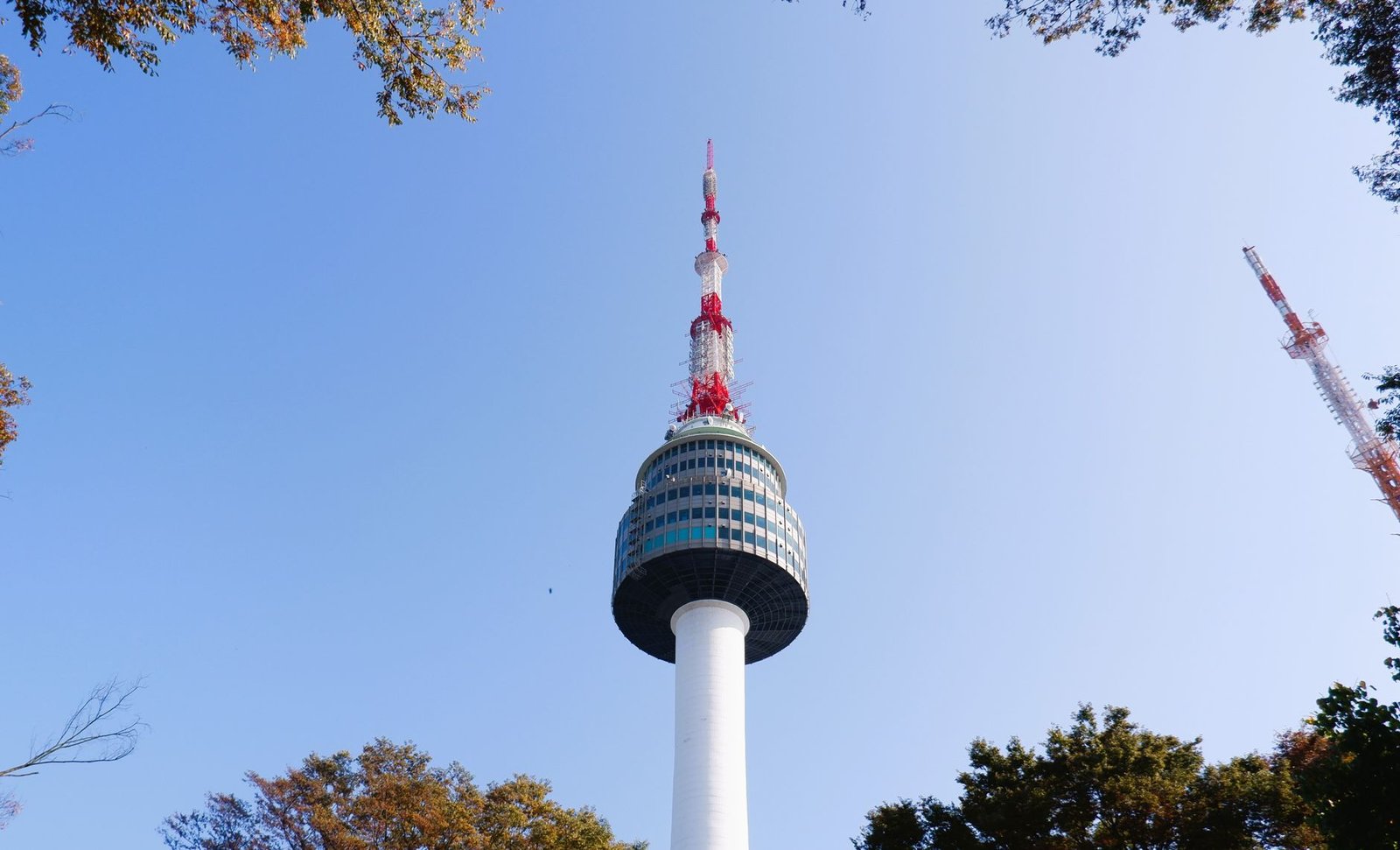
November brings crisp autumn air, late foliage, and winter street foods to Seoul. UK and Irish travellers enjoy visa-free entry with K-ETA exemptions while exploring cultural sights before peak winter cold sets in.
Why November is a Strategic Month to Visit Seoul
November sits at a unique intersection in the South Korean travel calendar. As the main rush of peak autumn foliage subsides during the first week of the month, tourism numbers drop significantly across the capital. For travellers flying from London Heathrow, Manchester, or Dublin, this shoulder season offers distinct advantages: more competitive long-haul airfares, shorter queues at major royal palaces, and an intimate atmosphere across Seoul's historic neighbourhoods. The air turns crisp and clear, replacing the humid summer heat and early autumn rains with stable, dry weather.
While spring cherry blossom season and late October foliage attract massive domestic and international crowds, November provides a calmer window to explore South Korea's cultural heritage. Historic districts such as Bukchon Hanok Village and Insadong become far more pleasant to navigate on foot without the dense tour groups that fill the narrow alleys earlier in the autumn. Furthermore, November marks the start of Korea's winter street food season, where outdoor stalls begin serving hot, comforting snacks designed to ward off the brisk chill. By timing a trip in November, visitors can experience the tail end of the autumn colour, enjoy smooth sightseeing across major landmarks, and benefit from lower accommodation rates before the December holiday surge begins.
Top Late Autumn Foliage Spots in Early November
Although autumn leaf peak generally occurs in late October across central South Korea, early November still delivers magnificent displays of fiery red maples and golden ginkgo trees throughout Seoul. The first week of November is often the most rewarding timeframe to capture late-stage foliage against traditional wooden architecture and stone walls.
Gyeongbokgung Palace remains one of the premier locations for seasonal photography. The ancient ginkgo trees planted around Hyangwonjeong Pavilion and the outer perimeter walls drop brilliant yellow leaves, creating natural golden carpets. In November, Gyeongbokgung Palace operates under autumn and winter hours from 09:00 to 17:00, with last admission permitted at 16:00 (as of October 2026, Visit Korea). Standard entry is 3,000 KRW for adults aged 19 to 64, while admission is free for visitors aged 18 and under, seniors aged 65 and over, or anyone wearing traditional Hanbok (as of October 2026, Visit Korea). Note that the palace complex is strictly closed on Tuesdays.
Another essential location is Namsan Park and the surrounding mountain trails. Official municipal foliage forecasts show that the peak foliage period for Namsan Park, including its Southern and Northern Walking Paths, extends directly from late October into early November (as of October 2026, Visit Seoul). Walking along these elevated pathways gives visitors sweeping views of the city skyline framed by rich orange and yellow foliage.
For detailed visual route maps and comprehensive timing breakdowns for royal gardens across different districts, refer to our complete Seoul Cherry Blossom & Autumn Foliage Peak Guide.
- Gyeongbokgung Palace
- Address: 161 Sajik-ro, Jongno-gu, Seoul. Hours: 09:00–17:00 in November (Closed Tuesdays). Entry: 3,000 KRW (as of October 2026, Visit Korea).
- Namsan Park Trails
- Address: 105 Namsangongwon-gil, Yongsan-gu, Seoul. Hours: Open 24 hours. Entry: Free. Peak foliage: Late October to early November (as of October 2026, Visit Seoul).
- Deoksugung Stonewall Walkway
- Address: 99 Sejong-daero, Jung-gu, Seoul. Hours: Open 24 hours. Entry: Free along the public path. Known for tree-lined ginkgo paths.
Editor's Tip: Foliage drops rapidly after the first heavy rainfall or windy day in November. If your itinerary includes early November dates, prioritize outdoor park walks like Namsan and palace grounds immediately upon arrival rather than saving them for the end of your trip.
Seoul Lantern Festival and Evening Illuminations
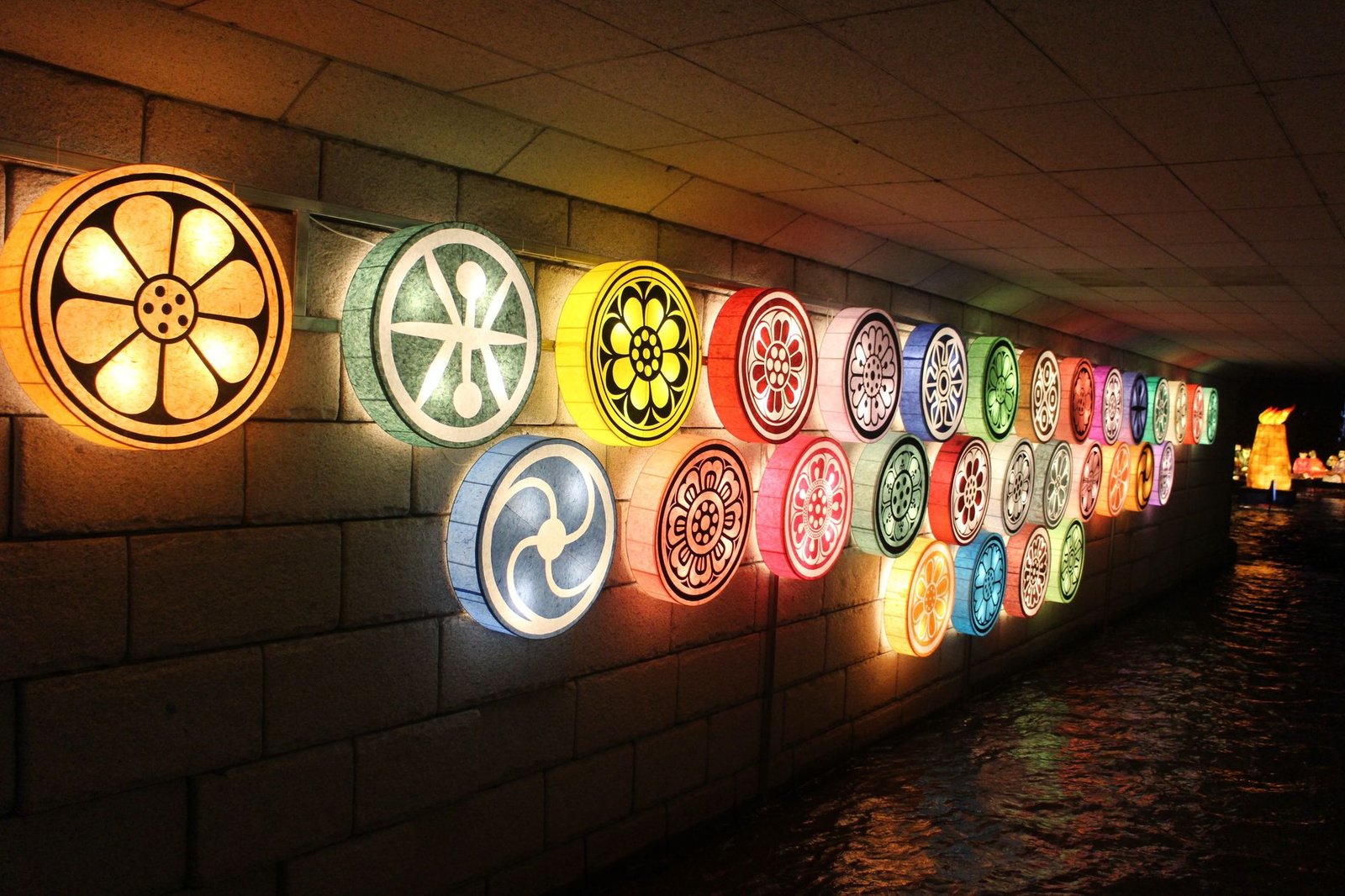
A common misconception among international visitors is that the famous Seoul Lantern Festival takes place in early autumn or mid-November. Historically held earlier in the season, the official schedule now places the Seoul Lantern Festival firmly in the winter calendar. For the 2025–2026 festival period, official event details confirm that the Seoul Lantern Festival along Cheonggyecheon Stream takes place from December 12, 2025, through January 18, 2026 (as of October 2026, Visit Korea). Operating hours during the winter festival run daily from 18:00 to 22:00 (as of October 2026, Visit Seoul).
Travellers visiting strictly during the month of November will miss the main Cheonggyecheon lantern installations, but Seoul offers plenty of atmospheric night walks and light displays as dusk falls around 17:15. Cheonggyecheon Stream itself remains a scenic, tranquil spot for evening strolls under decorative promenade lighting. Furthermore, major commercial districts like Myeongdong and Shinsegae Department Store near Hoehyeon Station begin testing and unveiling their elaborate winter facade illuminations towards mid-to-late November.
Avoid the Schedule Trap: Do not rely on outdated travel sources claiming the Seoul Lantern Festival runs throughout November. If seeing large-scale floating lantern sculptures along Cheonggyecheon is a dealbreaker for your journey, you must schedule your stay between mid-December and mid-January.
If you are planning an evening walk around Cheonggyecheon during November, combine it with a foot tour through the adjacent Jongno and Insadong districts. The historic tea houses and artisan shops offer warm retreats once the sun sets and temperatures begin to dip towards the freezing mark. You can read more about planning a seamless walking route in our guide to Things to Do in Insadong.
Seasonal Korean Foods to Try in Crisp November Weather
As temperatures fall, Seoul's food scene shifts focus toward steaming soups, grilled treats, and sweet street pastries designed for cold weather. Walking through street markets or shopping streets in Myeongdong, Hongdae, and Dongdaemun, visitors will notice carts fitted with large griddles and warm metal trays.
Two quintessential November street treats are bungeoppang and hotteok:
- Bungeoppang: Fish-shaped waffle pastries filled with hot sweet red bean paste or custard cream. These typically cost between 1,000 KRW and 2,000 KRW for 1 to 3 pieces depending on the stall and filling choices (as of October 2026, Korea.net).
- Hotteok: Crispy griddle-fried dough cakes filled with melted brown sugar, cinnamon, and chopped nuts. Prices generally range from 1,000 KRW to 3,000 KRW per piece, though high-traffic tourist hubs like Myeongdong Street Food Zone may charge up to 4,000 KRW per piece (as of October 2026, Visit Korea).
- Eomuk (Fish Cake Skewers): Served in steaming cauldrons of seasoned broth. Buying a skewer grants you free cups of piping hot broth, making it an essential quick stop while exploring outdoor markets.
For full sit-down meals, November is the ideal season for rich, bubbling stews. Samgyetang (ginseng chicken soup) and Galbitang (short rib soup) are staple lunch options that warm you thoroughly after morning walking tours. Modern coffee shops and traditional tea houses also become vital hubs for resting between sights. If you are unaccustomed to South Korean cafe ordering norms or tablet-based menus, take a look at our practical overview on Korea's Cafe Culture.
November Temperature Guide and Packing Tips
Understanding Seoul's climate in November is essential for packing appropriately, particularly for visitors from the UK and Ireland who might expect mild European maritime weather. Seoul experiences a continental climate, meaning temperatures drop rapidly as winter approaches.
Official climate data indicates that in Seoul during November, the mean daily maximum temperature is 11.9°C (53.4°F), while the mean daily minimum temperature drops to 3.5°C (38.3°F) (as of October 2026, Visit Korea). While early afternoon sunlight can feel pleasant, mornings and late evenings feel genuinely chilly, often hovering near the freezing point towards the end of the month. Rain is generally sparse in November compared to summer, but cold winds off the surrounding mountains lower the real-feel temperature significantly.
To stay comfortable throughout long days of outdoor exploration, follow this layer-based packing method:
- Thermal Base Layers: Bring lightweight moisture-wicking tops and thermal trousers. These provide essential insulation for morning palace walks without adding excessive bulk.
- Mid-Layers: Pack fleece jackets, heavy wool jumpers, or light down vests that can be unzipped easily when entering heated subway trains or climate-controlled department stores.
- Windproof Outer Coat: Wear a long padded parka or a heavy wool coat. Wind protection is critical on open sites like Namsan Mountain or along Cheonggyecheon Stream.
- Footwear & Accessories: Wear broken-in walking shoes or sturdy trainers with thick wool socks. Don't forget a lightweight beanie, scarf, and touchscreen gloves for evening walks.
Travel Logistics and Entry Rules for UK and Irish Visitors
Planning entry requirements and daily transit in Seoul is straightforward for visitors traveling on United Kingdom or Republic of Ireland passports.
Under current immigration policies, UK and Irish passport holders can enter South Korea visa-free for tourism or short-term business visits for stays up to 90 days (as of October 2026, K-ETA). Furthermore, UK and Irish citizens are currently exempt from obtaining a K-ETA (Korea Electronic Travel Authorization) through December 31, 2026 (as of October 2026, Visit Korea). This means you do not need to submit an online K-ETA application prior to departure unless your trip falls after that exemption window expires. You will simply fill out a physical arrival card on board your flight or at airport immigration.
Navigating Seoul requires minimal language barrier friction if you prepare the right digital tools in advance. While English signposting is extensive on the Seoul Metropolitan Subway network, standard foreign mapping apps do not provide turn-by-turn walking directions due to local mapping regulations. Downloading local applications such as Naver Map or KakaoMap will make navigating city streets effortless. For an in-depth breakdown on language accessibility, signage, and communication, consult our guide on Is Seoul English Friendly?.
For public transportation, purchase a T-money card at Incheon International Airport or any convenience store. Loading the card with Korean Won cash allows seamless tap-on, tap-off access across subway lines and municipal buses.
Visiting Seoul in November offers a peaceful, atmospheric bridge between the vibrant colours of autumn and the bright energy of winter. By preparing warm layers for chilly evenings, timing your palace visits early in the month for lingering foliage, and confirming current entry exemptions, UK and Irish travellers can enjoy one of the most rewarding and manageable months to experience South Korea's dynamic capital.
Sources checked October 2026: visitkorea.or.kr, visitkorea.or.kr, visitseoul.net, visitkorea.or.kr, visitseoul.net, wise.com.