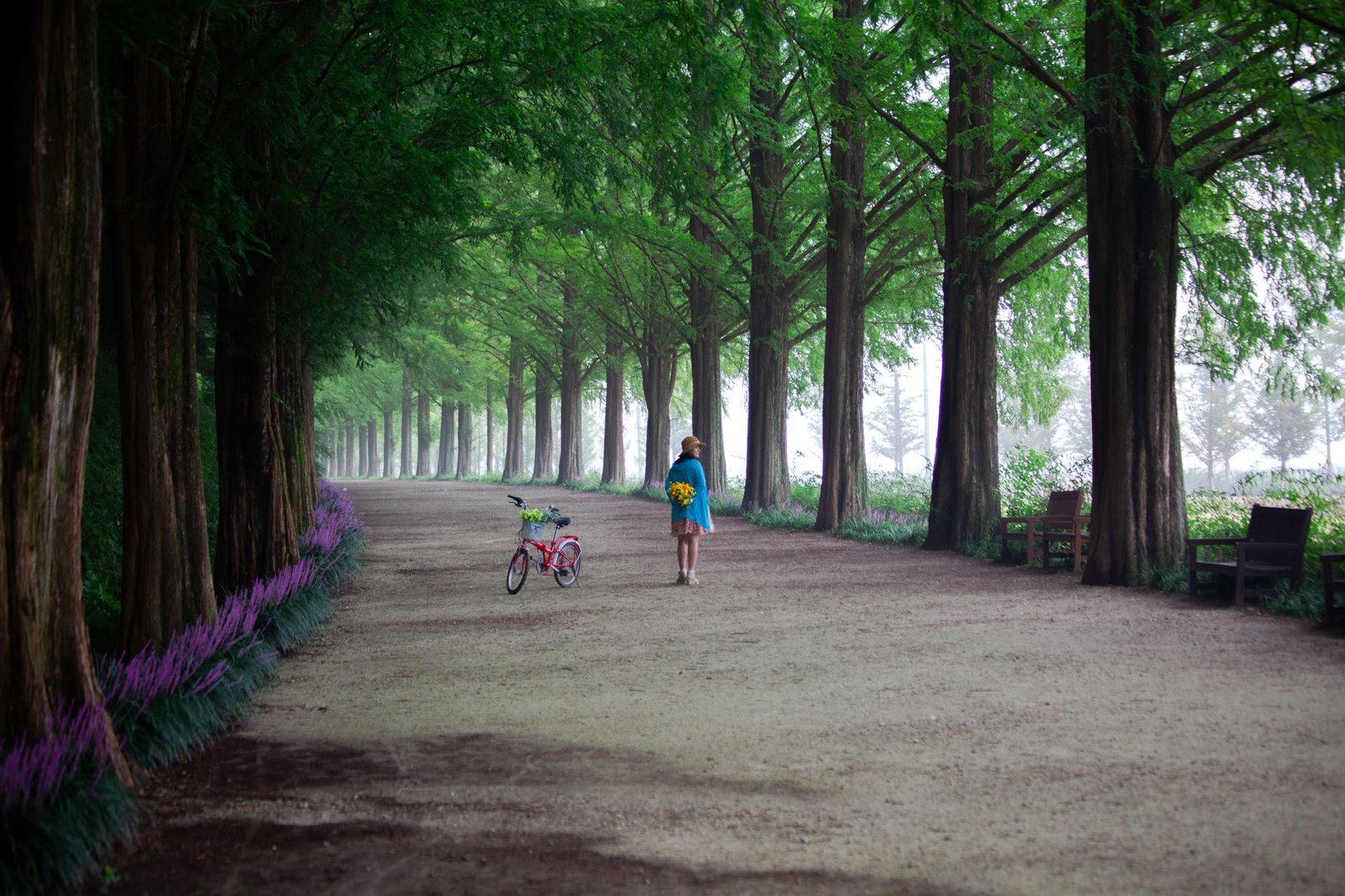
Juknokwon is a green bamboo grove in Damyang, reached from Seoul by KTX to Gwangju-Songjeong, then bus or taxi. It suits a long day trip, best paired with the nearby Metasequoia Road.
What Damyang Bamboo Forest Is
Damyang is a small county in Jeollanam-do, in the south-west of Korea, known for bamboo. The name Juknokwon (죽녹원) roughly means "garden of green bamboo", and it is the place most visitors mean when they say "Damyang bamboo forest". It is a managed bamboo grove with marked paths, not a wilderness: you buy a ticket at the gate, follow signed trails, and walk at your own pace.
The main confusion for first-time visitors is access. Damyang has no KTX or SRT station of its own, so there is no single train ticket from Seoul to the forest. You travel in two stages, or take a direct express bus. Both options are explained below.
Is it worth a day trip? If you like quiet walks, photography and a slower side of Korea, yes. If you want a packed itinerary of big sights, it is a modest stop that works best when combined with another place nearby.
Juknokwon Bamboo Forest Walk
The walk is made up of connected trails through dense bamboo, with some gentle slopes and a few viewpoints. The bamboo stays green all year, so the atmosphere is similar in any season; what changes is the light, the temperature and the crowds. Wear comfortable shoes, as paths can be damp after rain.
- Opening hours, March to October
- 09:00 to 19:00, last admission 18:00 (as of November 2026, juknokwon.go.kr)
- Opening hours, November to February
- 09:00 to 18:00, last admission 17:30 (as of November 2026, juknokwon.go.kr)
- Admission
- Adults ₩3,000; teenagers ₩1,500; children ₩1,000; free for children aged 6 and under and for visitors aged 65 and over (as of November 2026, juknokwon.go.kr)
- Closing days
- Open all year round, no closing days (as of November 2026, juknokwon.go.kr)
Prices and hours can vary by branch and season — check the official site before you go.
Because winter hours end earlier, plan to arrive well before the last admission time if you visit from November to February. The official site is the place to confirm any change before you travel.
Take the walk slowly. Many visitors rush the main loop for photographs, but the quieter side paths are where the grove feels most atmospheric.
Video: VISITKOREA (Korea Tourism Organization) (official YouTube). Seeing Juknokwon Bamboo Forest on screen first makes the tips in this guide easier to follow on the day.
Getting There from Seoul by Train and Bus
There are two realistic routes. The train is the more dependable option for most foreign visitors, because the schedule is easy to check and book in English.
Option 1: KTX plus local bus or taxi
- Take a KTX from Seoul (Yongsan Station) to Gwangju-Songjeong Station. The journey takes roughly 1 hour 36 minutes to 2 hours (as of November 2026, letskorail.com).
- Trains run through the day, with the first departure around 05:08 and the last around 22:23 (as of November 2026, letskorail.com).
- From Gwangju-Songjeong, transfer to local bus No. 311 or take a taxi to Damyang (as of November 2026, letskorail.com). Gwangju Station is an alternative arrival point.
The economy-class fare from Yongsan to Gwangju-Songjeong is approximately ₩47,100 (as of November 2026, letskorail.com). Book through the Korail site or an approved booking platform, and check the departure station on your ticket, since Seoul has more than one major KTX terminal.
Option 2: Express bus
A direct express bus from Seoul Express Bus Terminal to Damyang Bus Terminal has historically existed, with a journey of well over three hours. I could not confirm the current timetable or fare, so check Kobus (kobus.co.kr) or TxBus for up-to-date departures before relying on it. Services on this route have been infrequent, so a missed bus can cost you hours.
Do not plan a tight same-day return around an unconfirmed bus or the 311 bus timetable. Check the last return connection to Gwangju before you enter the forest, and keep a taxi as a fallback.
For a day trip, the train plus taxi or bus is the safer plan. Leave Seoul early so you have time for the forest, the nearby Metasequoia Road and a relaxed lunch.
Best Time to Visit and What to Expect
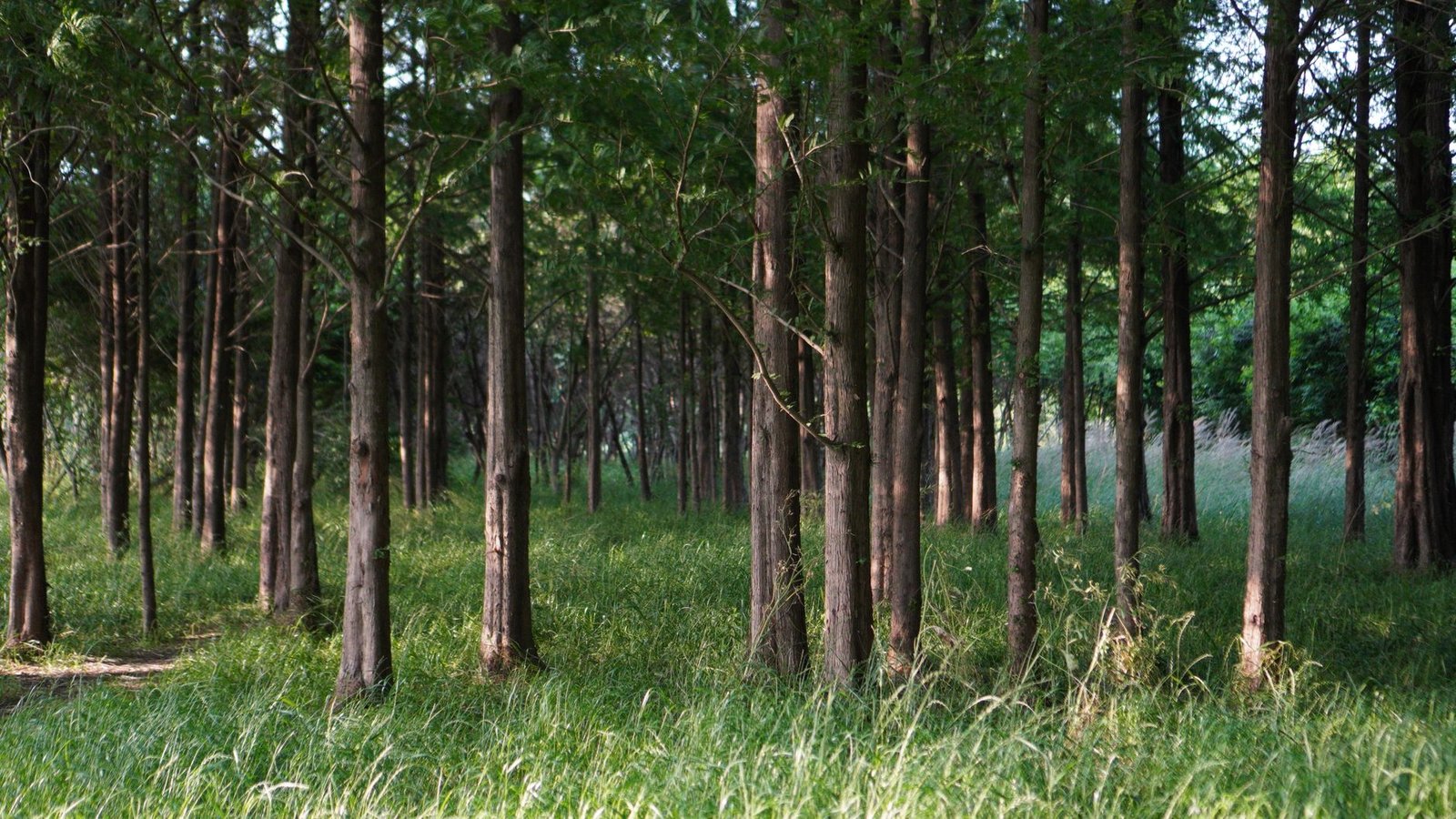
Because bamboo does not change colour, Juknokwon is a year-round destination. Summer offers shade and a cooler feeling under the canopy, though humidity can be high. Winter is quiet and crisp, but the earlier closing time shortens your day. Spring and autumn are generally the most comfortable for walking.
For autumn colour, regional foliage in Jeollanam-do typically peaks from late October to mid-November, but no specific peak dates are published for Damyang itself, so treat this as a rough guide rather than a forecast. In late November, as in the month of writing, some leaves may already have fallen, while the bamboo will still look green.
Allow about one to one and a half hours inside Juknokwon for an unhurried visit. Weekends and national holidays bring more domestic visitors, so a weekday morning is calmer. Expect paved and gravel paths with some steps, and bring a light layer, as the grove can feel cooler than the town outside.
If you enjoy seasonal travel in Korea, you might also compare this with the winter-focused Hwacheon Ice Festival guide, which suits a different time of year.
Pairing Damyang with Gwangju or Suncheon
The most natural pairing within Damyang is the Metasequoia-lined Road, about 2 to 2.5 km from Juknokwon (as of November 2026, english.visitkorea.or.kr). You can walk between them in roughly 30 to 40 minutes along the connected Gwanbangjerim river park trail, or take a short local bus or taxi; a taxi takes about 5 minutes (as of November 2026, english.visitkorea.or.kr). Walking is pleasant in good weather, but in winter, with shorter daylight, a taxi may be more practical.
Gwangju is the sensible base, since the KTX arrives there and it has hotels, restaurants and onward connections. Staying one night lets you visit Damyang without a rushed return to Seoul.
Suncheon is another well-known destination in Jeollanam-do, but I have no verified transport times between Damyang and Suncheon, so check current bus or train options before building a combined itinerary. As a rule, treat Suncheon as a separate day rather than squeezing it in.
If you are building a longer Korea route, a heritage-focused stop such as Gyeongju and Bulguksa makes a good contrast with Damyang's gardens and bamboo.
Practical Tips for UK and Irish Visitors
UK and Irish passport holders are eligible for visa-free tourist entry for up to 90 days (as of November 2026, hikorea.go.kr). The K-ETA situation differs: UK passport holders are on the temporary K-ETA exemption list, while Irish passport holders need an approved K-ETA before departure unless specifically exempt (as of November 2026, k-eta.go.kr). Policies like this can change, so check k-eta.go.kr before you book flights.
Carry some cash for small purchases in Damyang town, and keep a taxi app or your accommodation's phone number handy. Rural taxis can be less frequent than in Seoul.
For food, Damyang is associated with bamboo-themed dishes and local Jeolla-style meals, so ask for the regional speciality at a restaurant near the forest. If you prefer city dining after returning north, the Gwangjang Night Market ordering guide is useful for your Seoul evening.
Wrap-up: Juknokwon is a calm, inexpensive stop that is best treated as a long day trip or an overnight from Gwangju. Take the KTX to Gwangju-Songjeong, continue by bus No. 311 or taxi, enter before last admission, and combine the forest with the Metasequoia Road. Confirm bus times and entry rules on the official sites before you leave.
Sources checked November 2026: wordpress.com, koreatrains.com, twobrownfeet.com, trip.com, koreatravelatlas.com, visitkorea.or.kr.