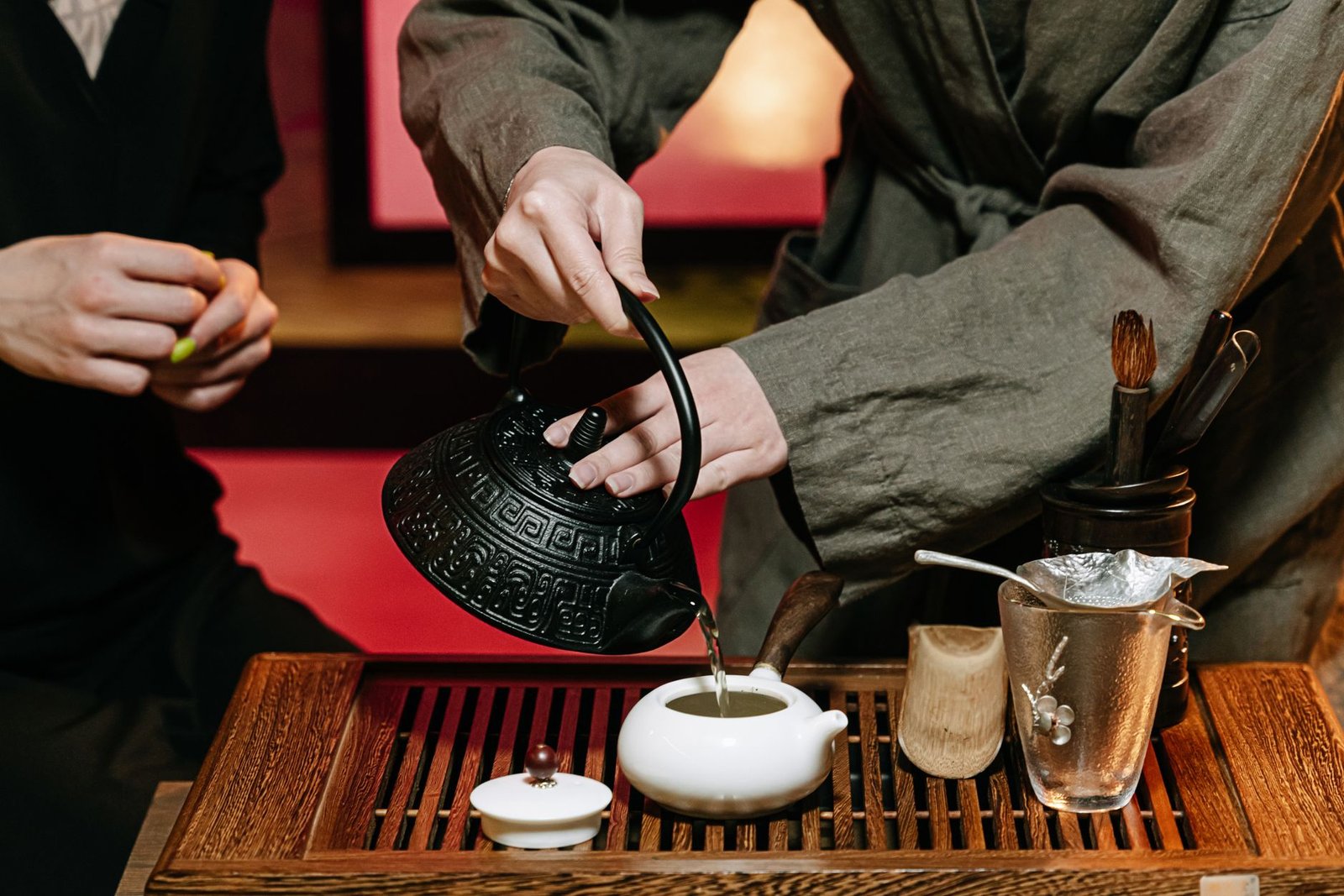
Book ahead at a venue with English support, such as Rakkojae, Heesum or OMOT. Sessions run roughly 50 to 90 minutes, and hanbok is optional.
What a Korean Tea Ceremony Is (and Isn't)
A Korean tea ceremony, often called darye, is a quiet, unhurried way of preparing and drinking tea. It is usually led by a tea master, who explains each tea, shows how to hold the cup, and lets the group taste in a set order. Compared with the more formal Japanese tradition, the Korean approach tends to feel gentler and more relaxed, with an emphasis on natural movement and conversation.
It is not a performance you watch from a distance, and it is not the same as ordering a pot at a tea house. Most experiences are small, seated and guided. Many also pair the tea with traditional sweets, so expect a tasting more than a show.
It also helps to know what you are signing up for. If you want photographs in hanbok and a Bukchon setting, a package class suits you. If you mainly want to learn about the tea, a shorter session at a tea house or cultural venue is a better fit.
Where to Experience It in Seoul
Four options cover most visitors' needs. They differ in neighborhood, format and how they take bookings.
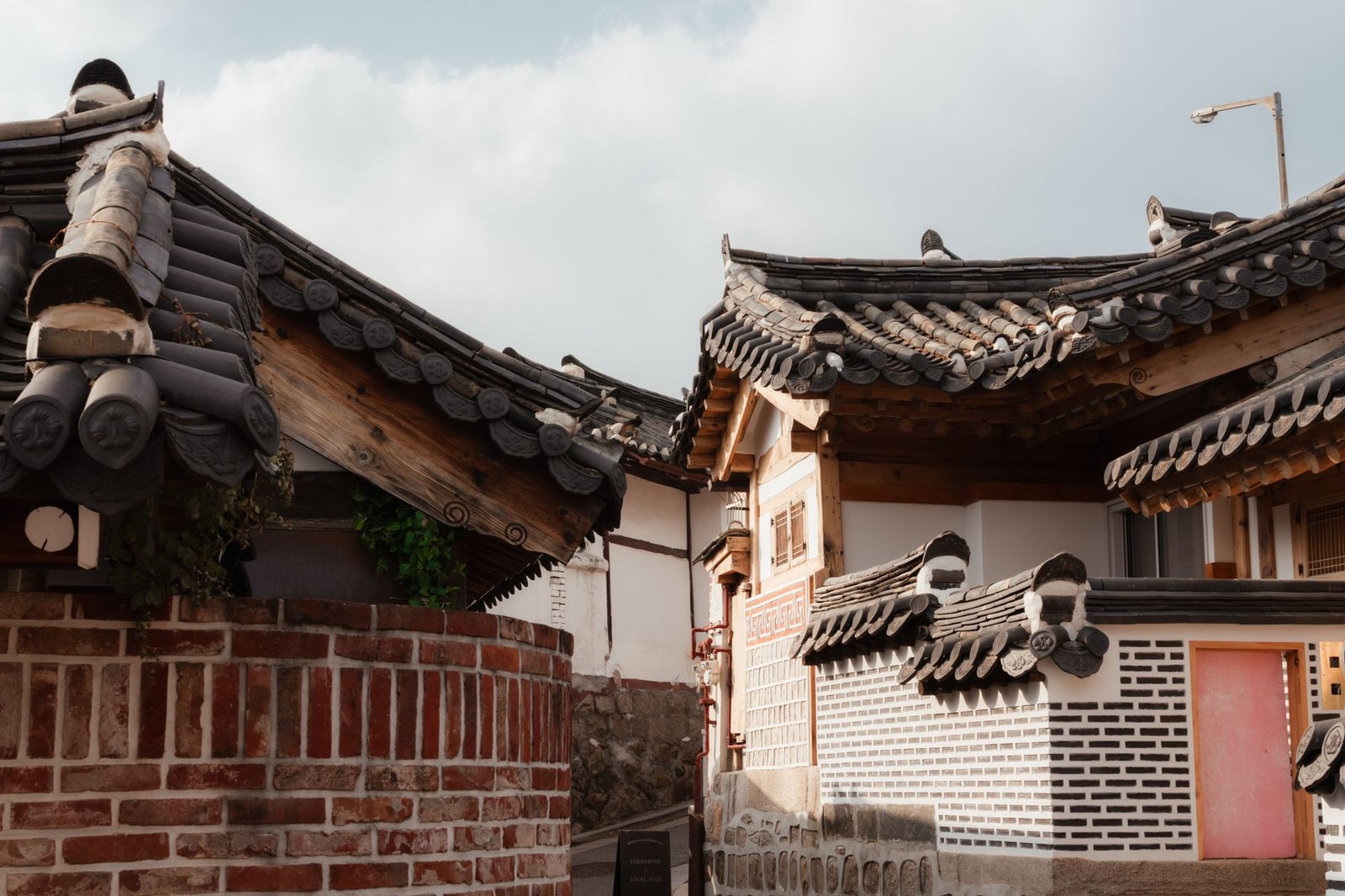
- Rakkojae Culture Lounge (Bukchon Hanok Village): an English-guided Hanbok Tea Class with a professional tea master, including a hanok docent tour, a welcome drink, three seasonal teas and three traditional tea confections.
- Heesum (Jung-gu): a traditional tea ceremony class led by a certified tea master, with English support by advance reservation. See the Visit Seoul listing.
- OMOT, On My Own Time (Seongsu-dong): a guided seasonal tea course with a tea master (paengju), featuring four to five tea courses paired with traditional sweets (dasik). See the Visit Seoul listing.
- Namsangol Hanok Village: a Tea Ceremony & Etiquette Class designed for groups.
Getting there is straightforward. Bukchon venues and the Bukchon Cultural Center are a 3- to 10-minute walk (roughly 300 to 500 meters) from Anguk Station Exit 3 on Line 3. Insadong tea houses sit right next to Exit 6. From Seoul Station, Anguk takes about 12 to 15 minutes by subway: Line 1 to Jongno 3-ga, then transfer to Line 3 (as of November 2026, Visit Korea). Namsangol is about 5 minutes from Seoul Station on Line 4: three stops to Chungmuro Station, Exit 4, then a 300-meter walk (as of November 2026, Visit Seoul).
Booking, Prices, and Language Options
Almost every tea ceremony needs a reservation. Walk-ins are rarely accommodated for the guided session itself, so plan this before you arrive in Seoul.
Prerequisites
- A date that avoids each venue's closing days.
- A rough idea of your group size, since some programs have minimums or maximums.
- A messaging app or email you can check, because several venues take bookings through chat rather than a booking engine.
Steps to book
- Pick a venue from the list above based on neighborhood and format.
- Check its days and session times (see the next table) and choose a slot that fits your route.
- Contact the venue through its official channel and state your date, time, number of guests and that you need English.
- Ask what is included, particularly hanbok rental, sweets and any add-ons.
- Confirm the meeting point and arrival time, and save the confirmation message.
- Arrive a few minutes early, wearing clean socks.
Prices and booking rules
| Venue | Price and rules (as of November 2026) |
|---|---|
| Rakkojae | ₩165,000 per person for the Hanbok Tea Class, including hanbok rental (Rakkojae). Advance booking required; up to 10 guests per class; age 8 or older. Optional 60-minute live gayageum performance: ₩220,000. Private 90-minute venue booking: additional ₩500,000. |
| Heesum | Reservation only (Visit Seoul). Session price not confirmed in my sources; check the venue directly. |
| OMOT | Advance booking via Naver TalkTalk or Instagram DM for set session times; walk-ins limited to the a la carte menu (Visit Seoul). Course price not confirmed; ask when booking. |
| Namsangol | Group class, Tuesday to Thursday, minimum 10 people, reserved by phone at +82-2-6358-5544 (Visit Seoul). Price not confirmed. |
Cancellation and refund terms were not verified for any of these venues. Ask for the policy in writing before you pay, especially for the higher-priced package.
If you are a solo traveler or a pair, Namsangol's ten-person minimum will probably rule it out unless you join an existing group. The same chat-first booking habits apply to other experiences, as covered in our guide to booking KPop dance classes in Seoul.
What Happens During the Ceremony
Formats vary, but sessions share a similar rhythm. Durations differ by venue: Namsangol sessions take about 50 minutes, OMOT courses 75 minutes, and Rakkojae classes 80 to 90 minutes (as of November 2026, Visit Seoul). Plan on one to one and a half hours, plus travel and arrival time.
- Welcome and seating. You remove your shoes, sit on a floor cushion and receive a brief introduction.
- Introduction to the tea and tools. The tea master explains the teaware and the tea you will taste.
- Preparation. Water is warmed and the pot and cups are prepared, often with a demonstration of pouring.
- Tasting. You drink in small servings. At OMOT this means four to five tea courses; at Rakkojae, three seasonal teas.
- Sweets. Traditional confections or dasik are eaten between sips, since they balance the tea's bitterness.
- Closing. Many venues leave time for questions, and package classes may add photography.
Rakkojae's class also includes a guided hanok tour with a docent, so budget a little extra time for that part.
Tea Sets, Seating, and Etiquette
Cups are small, and the pace is deliberately slow. You will usually sit on cushions at a low table, as in an ondol-style room. If sitting cross-legged for an hour is uncomfortable, mention it when booking or at the start of the session; hosts can often suggest a better position.
- Hold the cup with both hands, or with one hand supported by the other, when receiving it.
- Sip in small amounts and let the aroma register before moving on.
- Follow the tea master's order for tea and sweets rather than eating everything first.
- Keep phone use to a minimum, and ask before photographing the host or the teaware.
- Speak softly. The setting is calm by design.
If you are not sure whether to refill your own cup, wait. In Korean settings it is polite to let the host pour first, and to pour for others before yourself.
What to Wear and What to Bring
Hanbok is not required for standard tea ceremony sessions. Visitors are advised to wear or bring clean socks because the seating is on the floor (as of November 2026, Visit Korea). Some packages, such as Rakkojae's Hanbok Tea Class, include hanbok rental in the price for etiquette instruction and photographs (as of November 2026, Rakkojae).
- Clothes: comfortable layers that allow you to sit on the floor. Trousers or a longer skirt are easier than a tight or short one.
- Socks: clean, intact pairs. Shoes come off at the door.
- Bring: your booking confirmation, a phone with data or Wi-Fi for directions, and a payment card.
- Skip: strong perfume, which can interfere with the aroma of delicate teas.
For hanbok sessions, ask whether you can keep your own shoes on the hanok grounds or need a pair provided. A similar preparation mindset applies to other appointment-based experiences, such as a personal color analysis session.
Tipping and Practical Tips for US Visitors
Tipping is not customary at tea houses, restaurants or cultural centers in South Korea, and service charges are included in listed prices (as of November 2026, Visit Korea). You do not need to leave extra money for the tea master. A sincere thank-you and a slight bow are the usual gesture.
- OMOT hours
- Wednesday to Thursday 12:00 to 19:00; Friday to Sunday 13:00 to 19:00; closed Monday and Tuesday. Sessions at 12:00, 14:00, 16:00 and 19:00 (as of November 2026, Visit Seoul).
- Heesum hours
- Daily 10:00 to 20:00, last order or session entry at 19:30 (as of November 2026, Visit Seoul).
- Bukchon Cultural Center
- Tuesday to Friday 09:00 to 18:00; Saturday and Sunday 09:00 to 17:00; closed Monday (as of November 2026, Visit Seoul).
- Insadong area
- Shops and venues typically open daily from about 10:00 to 10:30 until 20:00 to 20:30 (as of November 2026, Visit Seoul).
Common mistakes
- Turning up without a reservation. Heesum is reservation-only, and OMOT restricts walk-ins to the a la carte menu.
- Booking on a closing day. OMOT is closed Monday and Tuesday, and Namsangol's group class runs only Tuesday to Thursday.
- Assuming hanbok is mandatory. It is optional for standard sessions.
- Skipping the price check. Several venues did not have confirmed prices, so ask before you commit.
- Forgetting time zones and jet lag. Messaging a venue from the US at your daytime may land in the middle of Seoul's night; allow a day for a reply.
If your trip includes day trips outside Seoul, book the tea session for a day you are based in the city. For longer train legs, see our guide to booking KTX tickets. In short: choose a venue, message in English with your date and group size, confirm what is included, wear clean socks, and leave extra time for the neighborhood around the session.
Sources checked November 2026: visitseoul.net, orderect.com, visitseoul.net, visitseoul.net, visitseoul.net, visitseoul.net.