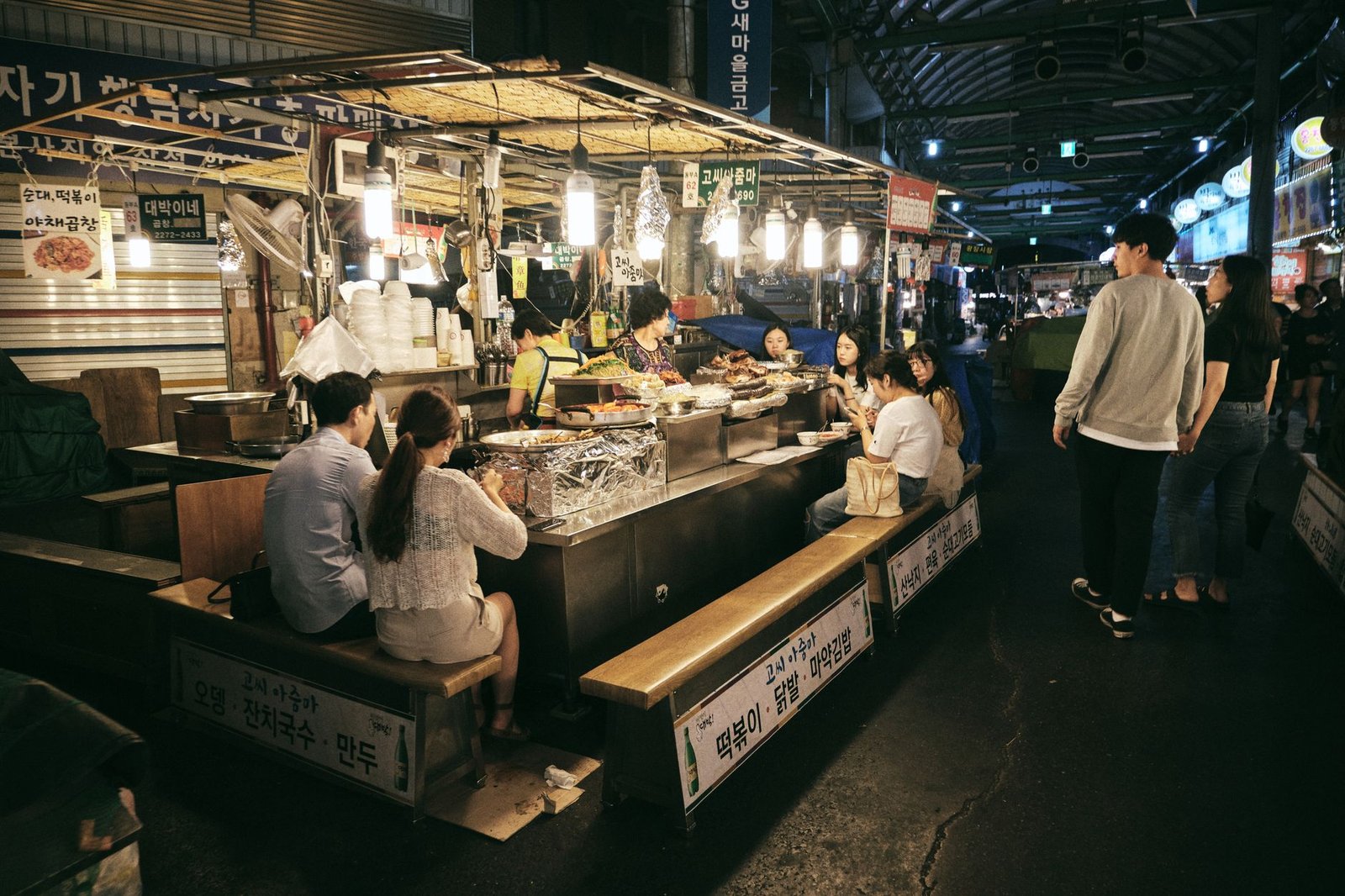
Your total depends mostly on flights, hotel style and how often you eat out. Verified prices are limited, so use this guide to plan categories and check live rates before booking.
Typical Budget Ranges at a Glance
A Korea trip is easier to plan once you split it into six buckets: flights, accommodation, local transport, food, attractions and a small buffer for extras. Flights are usually the biggest single item for travellers from Southeast Asia. After that, the nightly hotel rate tends to decide whether the trip feels tight or comfortable.
This guide does not quote exact currency conversions, hostel rates or train fares, because those figures could not be verified against official sources in October 2026. Where a number is confirmed, it is shown with its source. Where it is not, you will see a qualitative description and a pointer to the official page to check before you pay.
The practical approach is to set a daily spending level, multiply it by the number of nights, and then add flights and your entry paperwork on top. The sections below follow that order, ending with three sample five-day budget styles you can adapt.
Check the Bank of Korea site (bok.or.kr) or your bank app for the current won rate against SGD, PHP or MYR on the day you budget. Rates move, and a number copied from an old article can be misleading.
Flights from Singapore, Manila and Kuala Lumpur
Singapore, Manila and Kuala Lumpur all have direct routes to Seoul Incheon, served by both full-service and low-cost carriers. Fares vary widely by season, day of the week and how far ahead you book. Specific fare figures were not verified for this guide, so treat any quoted price you see elsewhere as a snapshot, not a rule.
As a rule, low-cost carriers offer the lowest headline fare but charge separately for checked bags, meals and seat selection. Full-service airlines cost more up front but often include baggage and food. Compare the total after add-ons, not just the first price shown.
Flexible dates are the most reliable saving. Midweek departures and off-peak periods tend to be cheaper than school holidays and the autumn foliage weeks. Our guide to how to get cheap flights to Korea covers fare alerts and timing in more detail.
Also factor in your arrival airport. Incheon is the main gateway, and our Incheon Airport guide explains how to reach the city once you land. Arrival time matters for budget too: very late landings can limit your transport options and push you toward a taxi.
Where Your Money Goes: Accommodation and Transport
Accommodation is the second-largest cost. Seoul offers hostels with dorm beds, guesthouses, business hotels and international hotels. Average nightly rates could not be verified from official tourism pages for this guide, so check current prices on your booking platform for your exact dates. Prices usually rise on weekends and during major festivals.
Location affects spending as much as the room itself. Staying near a subway line with easy transfers saves both time and money, even if the room is slightly smaller. Areas around major interchange stations are practical for first-time visitors.
If you plan to travel beyond Seoul, the principle is the same elsewhere. For a seaside example of matching a hotel to a budget, see the Haeundae hotel guide.
Getting around
Seoul's subway and buses are the budget choice. A rechargeable transport card is the usual way to pay. The card's purchase price, the top-up rules and the exact airport rail fares from Incheon to Seoul Station were not confirmed in the sources used here, so check the official Incheon Airport transport page for current fares.
Taxis are convenient but can cost far more than rail for the airport run. Compare options before you leave the arrivals hall, especially if you land late at night.
Eating Well on a Budget, Including Halal Options
Food can be one of the more flexible parts of your budget. Casual restaurants, market stalls, convenience stores and simple set-meal places keep daily food spending modest, while barbecue dinners and tourist-area cafés push it up. Exact meal prices were not verified for this guide, so expect variation by neighbourhood and check menus posted outside restaurants.
For a sit-down cultural meal, a traditional set table is an option. Our list of hanjeongsik restaurants in Seoul ranges from budget to luxury, which helps you decide whether one such meal fits your plan.
Halal and Muslim-friendly eating
Many Malaysian and some Filipino and Singaporean travellers will want halal food. Seoul has a number of halal-certified or Muslim-friendly restaurants, and some are clustered in areas with larger Muslim communities. Because certification status and opening details change, verify each restaurant directly through its own listing or social page before you go.
Be careful with dishes that look vegetarian or seafood-based. Broths, sauces and seasonings in Korean cooking commonly include meat or fish-based stock, and alcohol such as rice wine can appear in cooking. When in doubt, ask clearly, or choose a certified restaurant.
Save a short note in Korean on your phone stating your dietary requirement. It is faster than explaining it from scratch at each counter.
Attractions, Tickets and Hidden Costs
Sightseeing costs in Seoul can stay low if you mix paid and free attractions. Two confirmed examples show the range.
| Attraction | Admission (as of October 2026, VISITKOREA) | Hours (as of October 2026, VISITKOREA) |
|---|---|---|
| Gyeongbokgung Palace | ₩3,000 adults aged 19–64; free for 18 and under, and 65 and over | 09:00–18:00 in March–May and September–October; 09:00–18:30 in June–August; 09:00–17:00 in November–February; last entry one hour before closing; closed Tuesdays |
| N Seoul Tower observatory | ₩29,000 adults (13+); ₩23,000 children (3–12) and seniors (65+) | Mon–Fri 10:00–22:30; Sat–Sun 10:00–23:00; open year-round |
Details come from the official VISITKOREA page. The contrast is useful: a palace visit is inexpensive, while a tower observatory is a clear splurge.
Gyeongbokgung is closed on Tuesdays. Plan your itinerary around that before you book other tours for the same day.
Hidden costs usually come from small items: mobile data, luggage storage, bottled drinks, and impulse shopping. For connectivity, see our guide to the best eSIM for Korea and Japan to compare options before departure.
Sample 5-Day Budgets: Backpacker, Mid-Range and Comfort
Because several price inputs could not be verified, these are structural budgets: they tell you what each style includes and where the spending goes, not a fixed figure. Fill in current prices from your own bookings.
Backpacker
- Stay: dorm bed or basic guesthouse, outside the busiest districts.
- Food: convenience stores, market food and simple set meals.
- Transport: subway and bus only, plus airport rail.
- Sightseeing: mostly free or low-cost sites such as the palace (₩3,000 for adults, as of October 2026, VISITKOREA).
Mid-range
- Stay: private room in a business hotel near a subway interchange.
- Food: a mix of casual meals and one or two sit-down dinners.
- Transport: mostly public transport, with occasional taxis.
- Sightseeing: a few paid sites and one day trip.
Comfort
- Stay: upscale hotel in a central area.
- Food: restaurant dining, including a traditional set meal.
- Transport: more taxis and convenient airport transfers.
- Sightseeing: paid viewpoints such as N Seoul Tower (₩29,000 for adults, as of October 2026, VISITKOREA) and guided activities.
Add a buffer of roughly ten percent of your total for surprises. That is a planning habit, not a verified figure.
Ways to Cut Costs Without Missing Out
The biggest savings come from decisions made before you leave. Book flights with flexible dates, compare the full price after baggage, and choose accommodation close to rail rather than the cheapest room far from it.
On the ground, cheap choices are often good ones. Eat where locals queue at lunchtime, use public transport, and keep paid attractions to the ones you care about most. Free palaces grounds, neighbourhood walks and markets fill days well.
Day trips can also be efficient. A fortress visit outside the city gives a full day of sightseeing for a modest outlay; see our guide to visiting Suwon Hwaseong Fortress from Seoul.
Timing matters as well. Festival weeks can lift hotel prices but also add free entertainment. Check the October 2026 festivals guide if your dates fall in autumn, and weigh the extra cost of a busy week against the events.
Decide your three must-pay experiences first, then budget everything else around them. It prevents small purchases from crowding out the things you came for.
Getting From Incheon Airport and Paying for Transport
Your first transport decision comes within an hour of landing, and it sets the tone for the rest of the budget. Incheon is far from central Seoul, so the airport rail link (AREX), airport buses and taxis are all realistic options. The notes available for this update did not confirm AREX fares, so those figures are not quoted here. Check the official AREX site or the airport's transport page before you travel, and compare the express and all-stop services against what you actually need.
The two AREX services differ in how they stop, not just in price. The Express Train runs between the airport and Seoul Station. The All-Stop Train calls at intermediate stations along the way. If your accommodation is near Seoul Station, the express is simple. If you are staying somewhere along the line, or plan to change to the subway at an intermediate station, the all-stop train can save you a transfer at the other end. Look at your hotel's nearest station before you decide, rather than defaulting to Seoul Station.
For a fuller walkthrough of terminals, arrival procedures and ground transport, see the Ultimate 2026 Incheon Airport Guide.
Transport cards: what to check
A rechargeable transport card such as T-money is the usual way to pay for subways and buses in Korea. The purchase price of the card and the rules for cash top-ups were not confirmed in the research notes for this update (October 2026), so confirm both at the point of sale. Convenience stores and station machines are where most visitors buy and load cards. Ask the staff how to top up and how to get back any unused balance, because refund rules vary by card type and seller.
Keep some Korean won in cash on arrival. Card top-up machines and some small vendors can be fussy about foreign cards, and having notes on hand avoids being stuck at the gate with a balance that is too low.
A sensible arrival sequence
- Clear immigration with your K-ETA approval already in hand if your nationality requires it (details in the section on common mistakes below).
- Collect your bags and connect to mobile data or an eSIM so you can use maps and translation straight away.
- Withdraw or exchange a modest amount of cash for the card top-up and a first meal.
- Pick the AREX service that matches your hotel's nearest station, or choose a bus if your accommodation is closer to a bus stop than a station.
- Load your transport card, and keep the receipt or balance information until you are sure it works.
If you are comparing data options before landing, the Best eSIM for a Korea and Japan Trip guide covers plans and setup.
Late-night arrivals can limit your options. Check the operating times of the rail service and buses on the official sites before booking a flight that lands very late, and keep a taxi as a backup in your plan rather than discovering the gap at the terminal.
Planning Your Days Around Opening Hours and Closures
Budget trips tend to go wrong not because of high prices, but because of wasted days. A closed palace or a rainy evening at a viewpoint costs time you cannot get back. Two of Seoul's best-known sights show how much a little scheduling helps, and both have clear published hours.
Gyeongbokgung Palace
- Admission (as of October 2026, VISITKOREA)
- 3,000 KRW for adults aged 19 to 64. Free for visitors aged 18 and under, and for those aged 65 and older.
- Hours (as of October 2026, VISITKOREA)
- 09:00 to 18:00 from March to May and September to October. 09:00 to 18:30 from June to August. 09:00 to 17:00 from November to February.
- Last admission
- One hour before closing.
- Closed
- Tuesdays.
The Tuesday closure is the detail that catches people out. If your itinerary is built around a single palace day, put it on any other day of the week and keep an alternative indoor or neighbourhood plan for Tuesday. Because last admission is an hour before closing, arriving at the gate right at closing time will not work. The winter closing time is the earliest of the year, which leaves a short afternoon in the colder months. In that season, go in the morning and save the evening for something indoors.
Since the entry fee is low, the palace is one of the better-value stops in the city. Rather than rushing to fit in extra sights, allow a relaxed visit and check the official hours for the specific month you travel, since the seasonal schedule changes the closing time.
N Seoul Tower observatory
- Observatory admission (as of October 2026, VISITKOREA)
- 29,000 KRW for adults aged 13 and older. 23,000 KRW for children aged 3 to 12 and seniors aged 65 and older.
- Hours (as of October 2026, VISITKOREA)
- Monday to Friday 10:00 to 22:30. Saturday and Sunday 10:00 to 23:00. Open year-round.
The observatory is a much larger spend than the palace, so it deserves some thought. The ticket price is a real line item in a tight budget, particularly for a family where each person pays. If your trip is short and money is limited, decide whether the observatory view is a priority or whether you would rather spend the same amount on meals and transport. The tower's open-year-round schedule gives you flexibility, so you can choose the clearest evening rather than committing in advance.
Pair a daytime palace visit with an evening at the tower on a different day, rather than squeezing both into one. The palace closes much earlier than the observatory, so the two sit naturally at opposite ends of a day, but travel time across the city adds up quickly when you are on public transport.
Fitting in a day trip
If you have a spare day and want something beyond central Seoul, a fortress day trip is a good use of it. The Suwon Hwaseong Fortress day trip guide explains how to reach it from Seoul. If your dates fall in autumn, the Korea Festivals October 2026 guide may help you build a free or low-cost event into your schedule.
Common Budgeting Mistakes and a Pre-Trip Checklist
Most overspending comes from a handful of avoidable errors. Some are about money, others about paperwork. The checklist below is built only on what the official sources confirm, and it flags the points you need to verify yourself.
Skipping the K-ETA check
Visa-free eligible foreign nationals must apply for and receive K-ETA approval before boarding a flight or ship bound for Korea (K-ETA Official Website). The application fee is 10,000 KRW, roughly USD $7 to $8, with a separate online payment fee, and it is non-refundable (as of October 2026, K-ETA Official Website).
Two practical points follow. First, because the fee is non-refundable, check your details carefully before you pay, including the passport number and spelling. Second, apply only through the official K-ETA website, so you do not pay extra to an intermediary. Whether your passport is eligible at all, and how long you can stay, depends on your nationality. The retrieved Immigration Service pages did not confirm visa-free stay lengths for Singapore, Philippines or Malaysia passports, so check the official source before you book. For the wider picture, see the Korea Travel Update 2026: Entry Rules, K-ETA and What's New.
Do not buy non-refundable flights until you have confirmed your entry requirements. Applying for K-ETA is simple, but you should treat it as a step to finish well before departure, not something to leave for the airport.
Relying on an exchange rate you have not checked
Current exchange rates for the Korean won against the Singapore dollar, Philippine peso and Malaysian ringgit could not be retrieved from the Bank of Korea pages for this update, so no conversions are given here. This matters, because any price converted from an old article may be off. Before you finalise a budget, check a live rate from your bank or a trusted currency source, then convert the won prices in this guide yourself. Rebuild your totals at that rate rather than trusting rounded figures from other sites.
Leaving accommodation until the last minute
Average nightly rates for Seoul hostels and budget hotels could not be verified from the official tourism site for this update, so use live booking pages to compare. Accommodation is usually the largest single cost after flights, so compare a few neighbourhoods and check how close each is to a subway station, since a cheaper bed far from the line can cost you in time and fares. If you are heading to the coast, the Haeundae Hotel Guide sets out options by budget.
Booking flights without comparing
Flights are often the biggest outlay, and fares vary by date and route. The guide to getting cheap flights to Korea explains how to approach this. Compare more than one booking source, and look at flexible dates before committing.
Assuming every sight is cheap or every sight is expensive
Entry costs range widely. A palace ticket is 3,000 KRW, while the N Seoul Tower observatory is 29,000 KRW for adults (as of October 2026, VISITKOREA). Pick the paid attractions that matter to you, and fill the rest of your time with low-cost walking, markets and neighbourhoods. If you want a proper sit-down Korean meal to balance a lighter budget elsewhere, the Top 5 Hanjeongsik Restaurants in Seoul covers options from budget to luxury.
Quick checklist before you fly
- K-ETA approved through the official website, if your passport requires it.
- Passport valid for the period required by the official sources.
- Live exchange rate checked, and your budget converted from won.
- Airport transfer chosen, with AREX fares verified on the official site.
- Transport card plan and some cash ready for arrival.
- Palace and observatory visits placed on days they are open.
- Data connection arranged before landing.
In short, the steps that protect your budget most are simple: confirm entry rules early, convert prices at a live rate, avoid closed days and keep paid attractions to the ones you really want. Verify any figure marked as unconfirmed on the official sites before you commit, and your plan will hold up on the ground.
Visa Rules by Passport and Money Tips
Entry rules depend on your passport, and they can change. The permitted visa-free stay for Singapore, Philippines and Malaysia passport holders could not be verified from the immigration pages retrieved for this guide, so confirm the length of stay for your own passport with the official Korea immigration source at HiKorea or your nearest Korean embassy before you book.
What is confirmed is the K-ETA system. Visa-free eligible foreign nationals must apply for and receive K-ETA approval before boarding a flight or ship bound for Korea (as of October 2026, K-ETA Official Website). The application fee is ₩10,000, roughly US$7–8, with a separate online payment fee, and it is non-refundable (as of October 2026, K-ETA Official Website). An approved K-ETA is valid for multiple entries over 3 years or until the passport expires (as of October 2026, K-ETA Official Website). Apply on the official K-ETA site.
Whether your nationality is currently eligible or exempt from K-ETA can change, so read the latest notice in our Korea travel update on entry rules and K-ETA.
Because the K-ETA fee is non-refundable, check that your passport details and travel plans are correct before submitting.
To wrap up: build your budget from flights, a realistic hotel rate, daily food and transport, and a few chosen attractions. Confirm live prices, exchange rates and entry rules for your passport before paying, and keep a small buffer for the unexpected.
Sources checked October 2026: bok.or.kr, visitkorea.or.kr, airport.kr, hikorea.go.kr, k-eta.go.kr, visitkorea.or.kr.