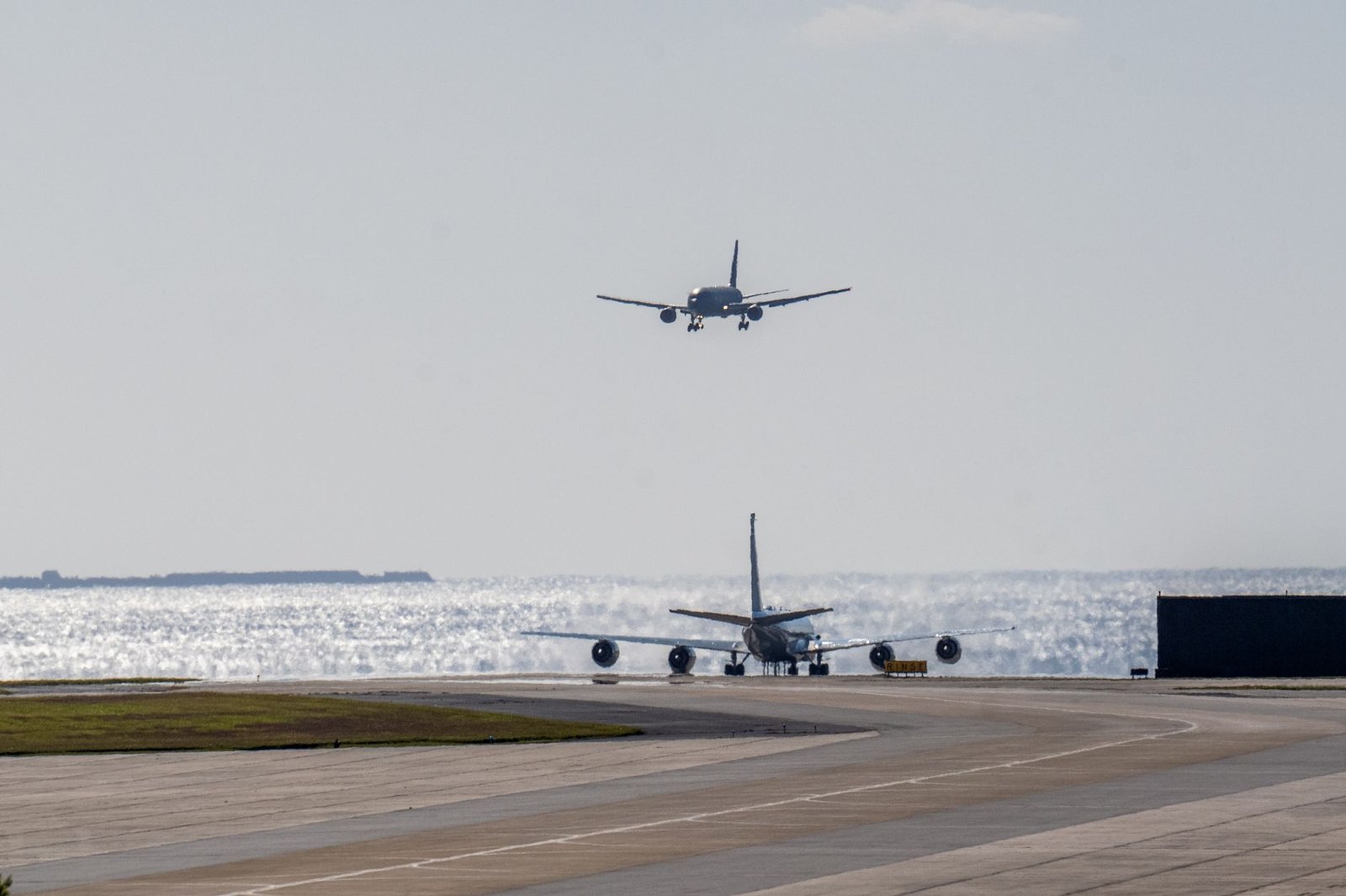
Direct flights from Gimhae Airport reach Jeju in roughly one hour, making air travel the fastest and most practical option. Direct ferry service from Busan Port is currently suspended, though alternative ferries operate from mainland ports like Mokpo and Wando.
Overview: Traveling from Busan to Jeju Island
Connecting South Korea's primary southern port city of Busan with the subtropical volcanic landscape of Jeju Island is a common routing for domestic and international travelers. Whether you are adding an island getaway to a coastal itinerary or continuing a broader tour across Korea, understanding your transport choices is essential for smooth travel planning.
Historically, travelers chose between quick domestic flights or scenic overnight sea voyages across the Korean Strait. However, transit routes have evolved. Direct passenger ferry service between Busan Port and Jeju Port—previously operated by MS Ferry—is currently suspended (as of October 2026, VISITKOREA). As a result, direct transport between Busan and Jeju Island is presently limited to domestic flights out of Gimhae International Airport (PUS).
For travelers who specifically prefer sea travel, alternative mainland ports such as Mokpo Port and Wando Port continue to run active ferry lines to Jeju. Connecting to these ports via overland transport from Busan allows you to experience a ferry route, though it requires additional transit time. If you are exploring Busan prior to your island departure, you can plan your culinary stops using our detailed guide to Busan Food Specialties: 9 Must-Try Dishes and Where to Eat.
Flying from Busan (PUS) to Jeju (CJU)
Flying is the fastest, most reliable, and most direct method to travel between Busan and Jeju Island. Domestic flights depart frequently throughout the day, operating from early morning until late evening out of Gimhae International Airport (PUS) and arriving at Jeju International Airport (CJU).
Operating Airlines and Flight Times
Six Korean carriers service the Busan-to-Jeju corridor directly: full-service airlines Korean Air and Asiana Airlines, alongside low-cost carriers Air Busan, Jeju Air, Jin Air, and Eastar Jet (as of October 2026, Gimhae International Airport). Flight frequency is high, with departures scheduled roughly every 20 to 30 minutes during peak hours.
The nonstop flight duration from Busan to Jeju is approximately 1 hour (60 to 65 minutes). Because domestic air travel within South Korea is streamlined, door-to-door transit time from central Busan to central Jeju City generally takes under three hours, including airport security and check-in procedures.
- Departure Airport
- Gimhae International Airport (PUS), Domestic Terminal
- Arrival Airport
- Jeju International Airport (CJU)
- Flight Duration
- 60–65 minutes (nonstop)
- Active Airlines
- Air Busan, Korean Air, Jeju Air, Jin Air, Eastar Jet, Asiana Airlines
Prices and hours can vary by branch and season — check the official site before you go.
Getting to Gimhae Airport from Central Busan
Gimhae International Airport is located west of the city center. Passengers can reach the Domestic Terminal easily via public transportation:
- Busan Metro & Light Rail: Take Metro Line 2 to Sasang Station, then transfer to the Busan-Gimhae Light Rail line. Ride to Gimhae International Airport Station, which connects directly to the terminal walk. Total transit time from Seomyeon is roughly 35 minutes.
- Taxi: A taxi ride from downtown areas like Seomyeon or Haeundae takes between 30 to 50 minutes depending on traffic conditions.
Airport Boarding Requirement: Foreign travelers must present a physical passport when checking in and passing through domestic security checkpoints for flights within South Korea. An Alien Registration Card (ARC) is also accepted for resident foreigners, but photo identification is mandatory for all passengers.
Taking the Overnight Ferry from Busan Port
Many travel guidebooks and outdated online forums mention taking a direct overnight passenger ferry directly from Busan Port to Jeju Port. However, travelers must note that direct passenger ferry operations on this specific route are currently suspended, with no active schedule available (as of October 2026, VISITKOREA).
Route Suspension Notice: There is currently no active direct overnight passenger ferry operating between Busan Port and Jeju Port. Do not attempt to travel to Busan Port expecting to buy a walk-up ferry ticket to Jeju Island. Check official announcements on VISITKOREA for updates regarding ferry operator license renewals.
Alternative Mainland Ferry Options
If you prefer a ferry voyage—whether to travel with extra-large luggage, transport a vehicle, or experience maritime travel—you can travel overland from Busan to another southern port city before embarking on a ship to Jeju:
- Mokpo Port to Jeju: Located in Jeollanam-do province, Mokpo offers regular daily passenger and overnight vehicle ferries to Jeju Port. Travel time on the sea ranges from 4.5 to 5 hours. You can reach Mokpo from Busan via intercity express bus or KTX/SRT train connections via Osong/Gwangju.
- Wando Port to Jeju: Wando is the geographically closest mainland port to Jeju Island. Express passenger ferries from Wando take approximately 2.5 to 3 hours to arrive in Jeju. Regional buses connect Busan Central Bus Terminal to Wando.
These alternative ferry routes offer various cabin classes, ranging from shared economy floor-seating rooms to private overnight staterooms with private bathrooms.
Cost and Travel Time Comparison
When selecting your route between Busan and Jeju, evaluate both total monetary cost and door-to-door transit time. Below is a realistic comparison of flying directly versus using alternative ferry gateways.
| Transport Mode | Route | Travel Time | Estimated One-Way Fare | Best For |
|---|---|---|---|---|
| Direct Flight | Busan (PUS) to Jeju (CJU) | ~1 hour (flight) / ~3 hours total | ₩25,000 – ₩100,000+ (as of October 2026, Air Busan) | Speed, convenience, short stays |
| Alternative Ferry | Mokpo or Wando to Jeju | 2.5 to 5+ hours (sea) + overland transit | ₩30,000 (economy) to ₩150,000+ (private cabin) (as of October 2026, VISITKOREA) | Oversized luggage, car transport, sea views |
Direct air fares vary based on booking lead time, seasonal demand, and departure hours. Early morning and late evening weekday flights on low-cost carriers often yield lower fares starting around ₩25,000. Peak weekend and holiday fares across full-service airlines like Korean Air can exceed ₩100,000 (as of October 2026, Korean Air / Air Busan).
For those making broader regional transfers, you can review air versus rail trade-offs in our guide on Practical Tips for Flying from Gimpo to Gimhae: Seoul to Busan Travel Guide.
How to Book Tickets in Advance for Foreigners
Securing tickets in advance is strongly recommended, particularly during Korean national holidays, summer vacation months, and weekends. Foreign travelers should follow a structured process to ensure ticket validity and smooth payment processing.
Prerequisites for Booking
- Valid passport details matching all traveler names exactly.
- An internationally accepted credit or debit card (Visa or Mastercard).
- A working email address to receive mobile e-tickets or booking confirmation vouchers.
- Select Departure Logistics: Confirm whether direct air travel from Gimhae (PUS) or an alternative mainland ferry route fits your travel schedule.
- Compare Flight Schedules Online: Visit official airline portals such as Air Busan, Korean Air, or Jeju Air to search domestic schedules. Alternatively, check international online travel agencies (OTAs) for fare aggregation.
- Enter Passenger Identification: Enter your full legal name precisely as shown in your passport. Foreign visitors do not need a domestic resident registration number to book domestic Korean flights.
- Complete International Payment: Select international credit card payment gateways. If using a foreign card on Korean domestic mobile apps, select the foreign card option during checkout to bypass domestic Korean SMS authentication.
- Book Alternative Ferries via Port Counters or Agencies: Online reservation engines for domestic Korean ferry lines frequently require local Korean credit card verification or local phone numbers. Foreign tourists booking alternative ferries (e.g., Mokpo or Wando routes) should purchase tickets through international travel agencies or buy them directly at port ticketing counters upon arrival.
If you plan to integrate Jeju into a broader health or relaxation itinerary after visiting Busan, refer to How to Plan a Wellness Tour in Korea: From Seoul Spas to Jeju Retreats to align your route with regional destinations.
Luggage Rules and Arrival Tips in Jeju
Understanding luggage limits and ground transportation options ensures a smooth arrival at your destination on Jeju Island.
Flight Luggage Allowances vs. Ferry Allowances
Domestic air travel carries strict baggage guidelines, whereas ferries offer far more freedom for travelers carrying bulky items:
- Domestic Flight Baggage Rules: Most domestic carriers restrict carry-on bags to 1 piece weighing up to 10 kg. Allowance for checked baggage depends on the carrier tier: low-cost carriers (Air Busan, Jeju Air, Jin Air, Eastar Jet) typically include 15 kg of checked luggage in standard fares, while full-service carriers (Korean Air, Asiana Airlines) allow 20 kg. Strict per-kilogram excess baggage fees are enforced at airport check-in counters.
- Ferry Baggage Rules: Ferries departing from alternative mainland ports provide far looser baggage limits. Passengers are allowed multiple large suitcases or oversized sports equipment without strict per-piece weight charges. Passengers can also board with bicycles or private vehicles for additional port freight fees.
Arrival Procedures and On-Island Transport
Upon landing at Jeju International Airport (CJU) or docking at Jeju Port, proceed through baggage claim to the arrival hall. Note that domestic arrivals do not go through immigration control when traveling within South Korea.
To explore Jeju Island efficiently from the airport or port, consider these transport options:
- Rental Cars: Renting a car is the most popular way to tour Jeju. Rental car shuttle buses depart directly from designated zones outside CJU Terminal 1. Drivers must present an International Driving Permit (IDP), physical driver's license, and passport.
- Limousine and Express Buses: Airport Limousine Bus 600 connects Jeju Airport directly to Jungmun Tourist Complex and Seogwipo downtown. Jeju City Bus Terminal connects all major island bus routes.
- Taxis: Taxi stands are located directly outside the arrival terminals. Short-distance rides into Jeju City center take roughly 10 to 15 minutes.
For most travelers moving between Busan and Jeju, booking a direct domestic flight from Gimhae International Airport remains the most efficient, affordable, and straightforward option. Keep your physical passport accessible, monitor airline baggage allowances before heading to the airport, and secure your flight tickets early for the smoothest travel experience across South Korea.
Sources checked October 2026: visitkorea.or.kr, flyteam.jp, skyscanner.net, reddit.com, asiatravelrules.com, koreanair.com.