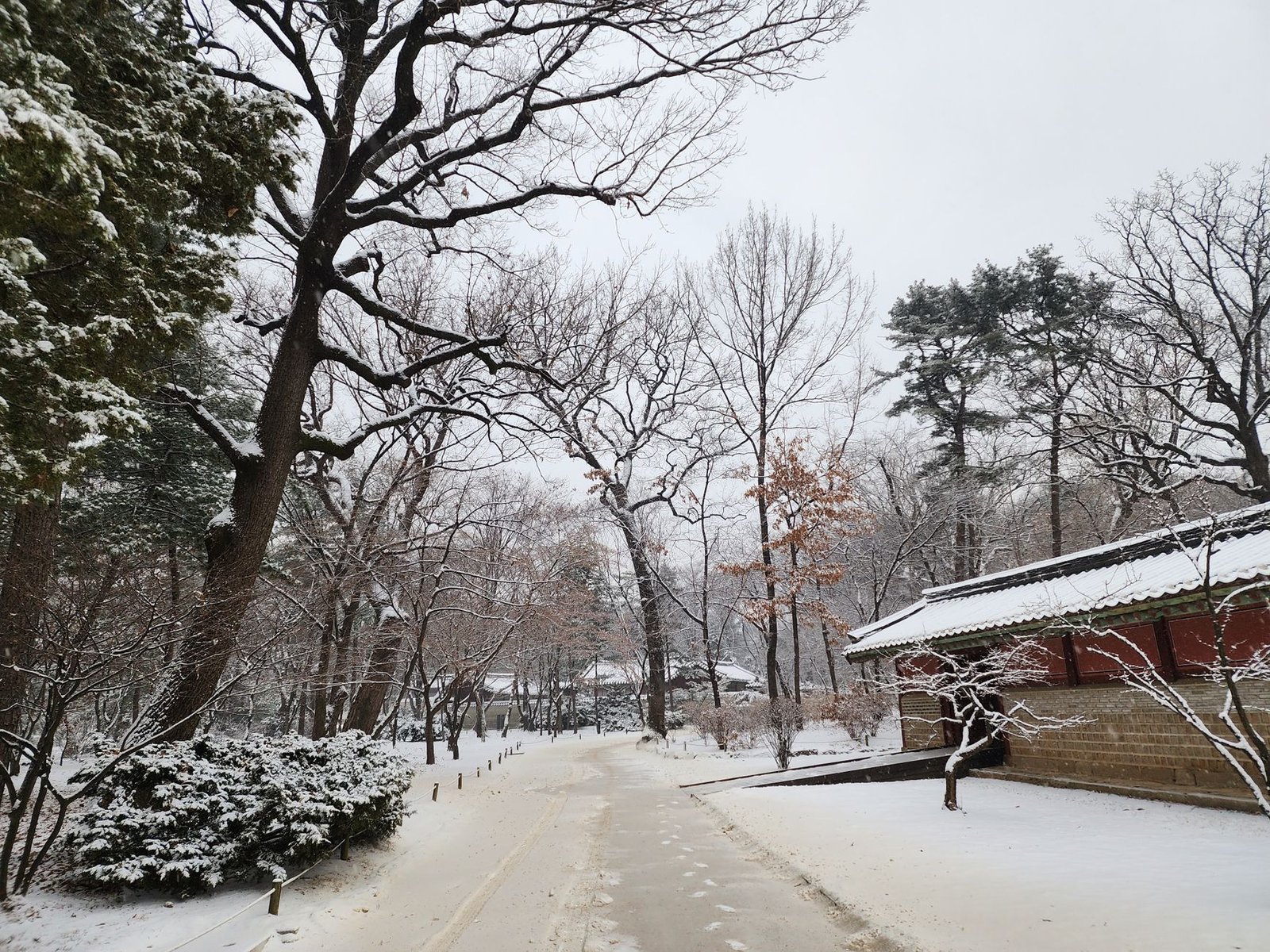
This 7-day winter itinerary balances historical sightseeing in Seoul, seasonal day trips to Nami Island and Elysian Gangchon Ski Resort, and alpine snow views in Gangwon-do's Pyeongchang and Gangneung. Designed for first-time winter travelers from Southeast Asia, it provides practical transit steps, halal-friendly dining options, and temperature-tested clothing strategies.
Overview of a 7-Day Korea Winter Itinerary
Visiting South Korea during the winter months (December through February) offers clear atmospheric skies, snow-covered mountain landscapes, and vibrant seasonal food scenes. For travelers arriving from warmer climates across Southeast Asia, sub-zero temperatures require a well-structured plan to manage transportation, daylight constraints, and cold-weather clothing.
This 7-day route focuses on Northern South Korea, combining historic urban districts in Seoul with the snowbound highlands of Gangwon-do province. The itinerary is designed to limit unnecessary travel back and forth by leveraging South Korea's high-speed rail network. Winter daylight hours are shorter, with sunset occurring around 5:15 PM in January, making early morning starts essential for outdoor sights.
| Day | Primary Focus | Key Destinations | Transit Method |
|---|---|---|---|
| Day 1 | Seoul Arrival & Winter Street Food | Myeongdong, Seoul Tower | Subway / Airport Bus |
| Day 2 | Historic Seoul & Cultural Culture | Gyeongbokgung Palace, Insadong | Subway |
| Day 3 | Urban Design & Night Markets | Dongdaemun Design Plaza, Gwangjang Market | Subway |
| Day 4 | Snow & Nature Day Trip | Nami Island, Elysian Gangchon Ski Resort | ITX-Cheongchun / Shuttle |
| Day 5 | Alpine Landscapes & Temples | Pyeongchang, Woljeongsa Temple | KTX Train |
| Day 6 | East Coast Winter Scenery | Gangneung Anmok Beach & Central Market | Local Bus / Taxi |
| Day 7 | Indoor Shopping & Departure | Starfield COEX Mall, Incheon Airport | KTX / Subway / Airport Express |
Winter Travel Tip: Sunsets occur early during Korean winters. Schedule outdoor photo stops and nature walks between 09:00 and 15:30. Reserve indoor shopping arcades, heated cafes, and street food markets for the evening hours.
Days 1 to 3: Seoul Winter Highlights and Seasonal Markets
Day 1: Arrival, Myeongdong Street Food, and Namsan Views
After landing at Incheon International Airport and checking into your accommodation, begin your afternoon in Myeongdong. This commercial center features heated shop entrances and street vendors offering piping-hot snacks like roasted chestnuts, gyeran-bppang (egg bread), and eomuk (fish cake) served with steaming metal cups of warm broth.
For dinner, Myeongdong offers accessible dining tailored to diverse international diets. Muslim-friendly options include Kampungku (serving Halal Korean and Southeast Asian dishes near Myeongdong Station) as well as Busan Jib and Kervan Turkish Restaurant for Halal-friendly meat and seafood dishes. End your evening taking the Namsan Cable Car up to N Seoul Tower to observe the city illuminated against the night air.
Day 2: Royal Palaces, Hanbok, and Insadong Tea Houses
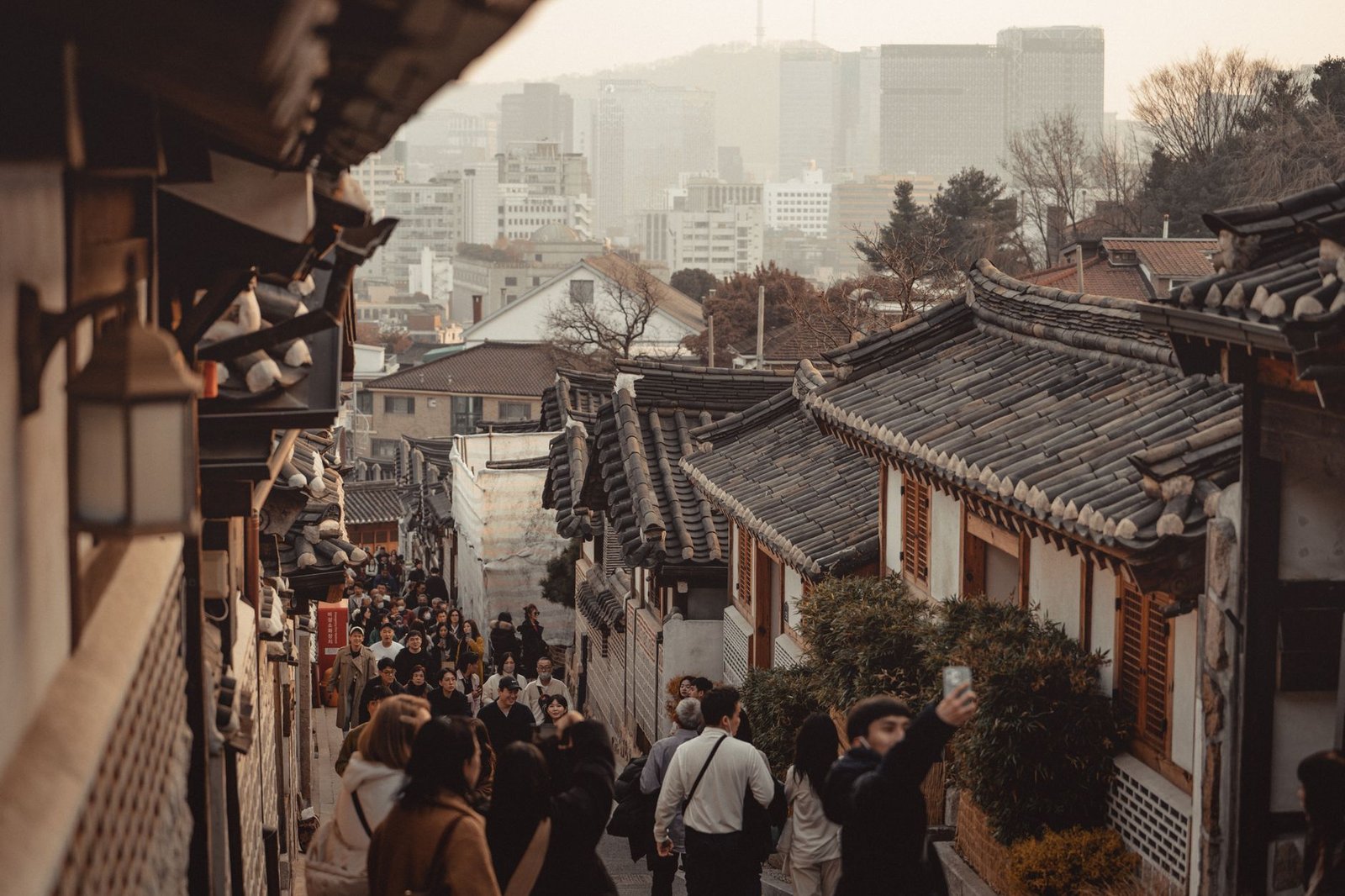
Start at 09:00 at Gyeongbokgung Palace. Visitors dressed in traditional Hanbok receive free general admission. During winter, wear full thermal innerwear beneath the rented clothing to withstand cold courtyard winds. Explore the palace grounds before taking a short walk east to the traditional neighborhood of Insadong.
For detailed district routes and traditional craft stops, consult the Things to Do in Insadong guide. Warm up inside an hanok (traditional house) tea shop with hot daechu-cha (jujube tea) or mogwa-cha (quince tea) accompanied by traditional rice cakes.
Day 3: Dongdaemun Architecture, Gwangjang Market, and Cheonggyecheon
Begin at Dongdaemun Design Plaza (DDP), where futuristic metallic architecture frames crisp winter skies. Take the subway to nearby Gwangjang Market for lunch. This covered market offers shelter from cold winds. Sit at heated bench stalls to sample kal-guksu (hand-cut noodle soup cooked in rich broth), bindaetteok (mung bean pancakes fried on flat-top grills), and tteokbokki. For broader culinary contexts across the capital, explore the Korea Food Guide.
Spend the late afternoon walking along the sunken Cheonggyecheon Stream before exploring the underground shopping arcades at Dongdaemun, which remain warm regardless of outdoor temperatures.
Day 4: Day Trip to Nami Island and Elysian Gangchon Ski Resort
Depart Seoul early from Yongsan Station or Cheongnyangni Station via the ITX-Cheongchun train to Gapyeong Station (approximately 55 minutes). From Gapyeong, take a short taxi ride to the Gapyeong Ferry Dock to access Nami Island.
- Nami Island Ferry Schedule
- 08:00–09:00: Every 30 minutes; 09:00–18:00: Every 10–20 minutes; 18:00–21:00: Every 30 minutes (as of October 2026, Nami Island Management).
- Nami Island Halal Dining
- Asian Family Restaurant Dongmoon (Halal-certified by the Korea Muslim Federation, located on Nami Island); Kko Kko Chuncheon Dakgalbi (Muslim-friendly chicken option near Gapyeong Ferry Dock).
- Elysian Gangchon Season
- Early December to early March (the 2025–2026 ski season opened on December 5, 2025; as of October 2026, VisitKorea).
Prices and hours can vary by branch and season — check the official site before you go.
Nami Island is famous for its Metasequoia Lane, which forms a dense snow corridor following heavy winter falls. Walk the island's flat pedestrian paths during the quiet morning hours before afternoon crowds arrive.
At midday, cross back to the mainland and take a 20-minute local train or shuttle to Elysian Gangchon Ski Resort. This resort features slopes designed specifically for beginners and lower-intermediate skiers. Full ski or snowboard equipment (skis, boots, poles, or board set) and winter outerwear (jacket and pants) can be rented directly on site in multi-hour time blocks (such as 4-hour, 6-hour, or 8-hour passes). Safety accessories like helmets, goggles, and knee pads are available for rental, while waterproof ski gloves must be purchased at the retail desk. Return to Seoul via ITX train by 20:00.
Days 5 to 6: Pyeongchang Snow Landscapes and Gangneung Coast
Day 5: KTX to Pyeongchang and Woljeongsa Fir Forest
Check out of your Seoul hotel and board the KTX-Eum train from Seoul Station to Jinbu (Pyeongchang) Station. A standard adult KTX fare between Seoul Station and Gangneung Station is 27,600 KRW one-way, totaling 55,200 KRW for a round-trip ticket (as of October 2026, Korail). The journey to Jinbu takes roughly 1 hour and 20 minutes.
Pyeongchang sits at higher elevation than Seoul, resulting in deeper snowpack and colder conditions. From Jinbu Station, take a bus or local taxi to Woljeongsa Temple, located inside Odaesan National Park. The temple's 1-kilometer needle fir forest trail offers snow-covered pine foliage along a flat, easily navigable path. Spend the night at a local pension or resort in Pyeongchang or continue directly to the coastal city of Gangneung.
Temperature Drop Alert: Pyeongchang winter daily highs range from -0.4°C to 2.0°C, while daily lows range from -10.5°C to -6.0°C (as of October 2026, Korea Meteorological Administration). Ensure base thermal layers and hand warmers are activated before departing heated train carriages.
Day 6: Gangneung Coastal Coffee Street and Seafood
Gangneung provides a stark seasonal contrast where winter snow meets the East Sea. Take a taxi to Anmok Beach Coffee Street, a shoreline road lined with multi-story cafes featuring floor-to-ceiling glass windows overlooking crashing winter waves. Order warm beverages while observing the coastline in insulated comfort.
For lunch, visit Gangneung Jungang Market to sample regional specialties such as junghwa jjambppong sundubu (spicy seafood soft tofu) or sweet and spicy garlic chicken pieces (dakgangjeong). Board the evening KTX back to Seoul Station (1 hour 50 minutes travel time).
Day 7: Seoul Indoor Shopping and Departure Preparation
On your final day, reserve outdoor walking and keep activities indoors to comfortably pack and prepare for flights home. Head to Starfield COEX Mall in Gangnam, home to the sprawling indoor Starfield Library with its multi-story illuminated bookshelves.
COEX Mall offers vast climate-controlled shopping passages where you can purchase winter clothing discounts, Korean cosmetics, packaged snacks, and traditional teas without facing outdoor winter wind chills. If your itinerary lands close to the Lunar New Year holiday period, check business operating schedules beforehand using the How to Celebrate Seollal guide, as some family-owned shops close briefly for ancestral ceremonies.
From COEX or Seoul Station, board the AREX express train directly to Incheon International Airport. The non-stop train takes approximately 43 minutes from Seoul Station to Terminal 1, providing a warm, reliable transport link to wrap up your winter journey.
Essential Packing and Transport Advice for Cold Weather
Seoul winter average daily high temperatures range from 1.5°C to 4.0°C, with daily low temperatures ranging from -5.5°C to -3.2°C (as of October 2026, Korea Meteorological Administration). Mountainous areas in Gangwon-do drop significantly lower. First-time winter travelers should follow a strict three-layer clothing system to maintain body core heat.
- Base Layer: Synthetic thermal or Heattech innerwear (long-sleeve top and tight-fitting leggings) to wick moisture away from skin and trap warm air.
- Middle Layer: Fleece pullover, heavy wool sweater, or thick cardigan to build an insulating thermal layer against cold external air.
- Outer Layer: A windproof and water-resistant padded down coat (frequently referred to in Korea as a long padding parka) extending down to mid-calf.
- Essential Accessories: Wool beanies, padded touchscreen-compatible gloves, thick wool socks, insulated winter boots with tread soles, and disposable heat packs (hoteu-paek) placed in coat pockets.
For city transport, charge a T-money transit card at any subway convenience store. All Seoul subways, KTX trains, and city buses feature under-seat heating units. When transitioning from outdoor cold to heavily heated interior spaces, unzip outer coats promptly to avoid overheating and sweat accumulation, which accelerates cooling when returning outdoors.
By organizing your route efficiently between urban Seoul and snow regions, securing correct clothing layers, and taking advantage of high-speed rail links, a winter trip to South Korea provides a comfortable and memorable seasonal experience.
Sources checked October 2026: flipkorea.com, koreabytrain.com, visitkorea.or.kr, trazy.com, seoultravelpass.com, redtable.global.