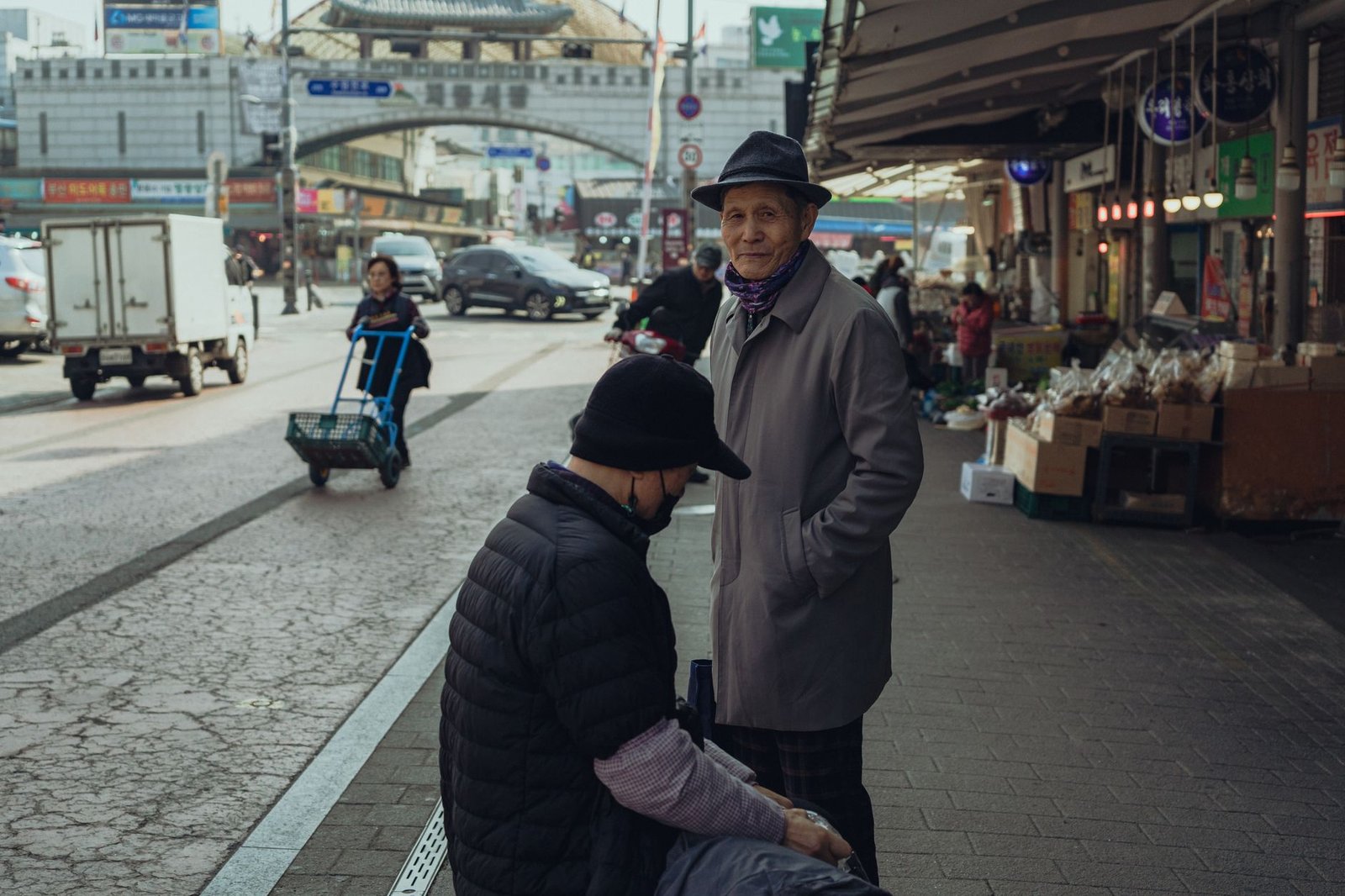
Not always. Korean fashion is often similar to US prices for mainstream brands, but tax refunds, outlets and sales can narrow the gap. Local labels and market buys give the best value.
Short answer: are clothes cheaper in Korea than in the US?
Not as a rule. Mainstream and imported brands in Seoul are often priced close to what you would pay in the US, and imported luxury is not reliably cheaper. The savings come from a narrower set of choices: domestic labels, wholesale-style markets, outlets and sale periods, plus the VAT refund on top.
This article does not quote fixed shelf prices for specific garments, because the research behind it does not include a verified price survey. Instead it shows what changes the final amount you pay, and how to compare in dollars before you buy.
The refund itself is modest. Korea applies a 10% VAT on eligible retail purchases, and the net refund tourists receive generally falls between 5% and 8% after agency fees (as of November 2026, VisitKorea). That helps, but it will not turn an average-priced jacket into a bargain by itself.
- Likely to be good value: Korean domestic brands, market and wholesale buys, outlet stock, seasonal clearances.
- Likely to be similar to the US: global chains and imported brands at full price.
- Hard to judge without checking: trend items, where price depends on the label and season.
Typical clothing price ranges in Seoul shopping areas
Price level depends on where you shop more than on what you buy. In broad terms, department stores and flagship brand stores sit at the top, Myeongdong street-level fashion shops in the middle, and Dongdaemun and Namdaemun market stalls at the lower end. Outlets sit between, with discounted last-season stock.
Specific won ranges are not verified here, so use a simple method: note the won price, convert it at the current rate, then compare with the US price of a similar item. Spot rates in November 2026 ranged from about 1,336 to 1,445 KRW per US dollar (as of November 2026, Federal Reserve Board / FRED). That spread means the same tag can differ by several percent in dollar terms depending on the day.
Divide the won price by 1,400 for a quick estimate, then check the live rate before larger purchases. It keeps you inside the November 2026 range without needing a calculator for every tag.
Tax refund for foreign visitors: how it works and minimum spend
Two routes exist: an immediate refund at the store, and a refund claimed later through a downtown booth or at departure. Both depend on the same basics.
- Minimum per receipt
- KRW 15,000 (as of November 2026, VisitKorea)
- Immediate refund limit
- Up to KRW 1,000,000 per transaction, and KRW 5,000,000 cumulative per tourist per stay (as of November 2026, VisitKorea)
- Downtown refund booth limit
- Up to KRW 6,000,000 per receipt (as of November 2026, VisitKorea)
- Condition
- Items must be new, unopened and unused, and you must leave Korea within 3 months of purchase (as of November 2026, VisitKorea)
Remember that the net amount is roughly 5% to 8%, not the full 10%. For a KRW 100,000 purchase, that is a rough range of KRW 5,000 to 8,000 back.
Do not wear or unpack tax-free items before departure if you plan to claim at the airport. Items must be unused, and you may be asked to show them.
For step-by-step instructions, see the Tax Refund Korea ultimate guide and the on-site immediate refund guide. The official rules are on VisitKorea.
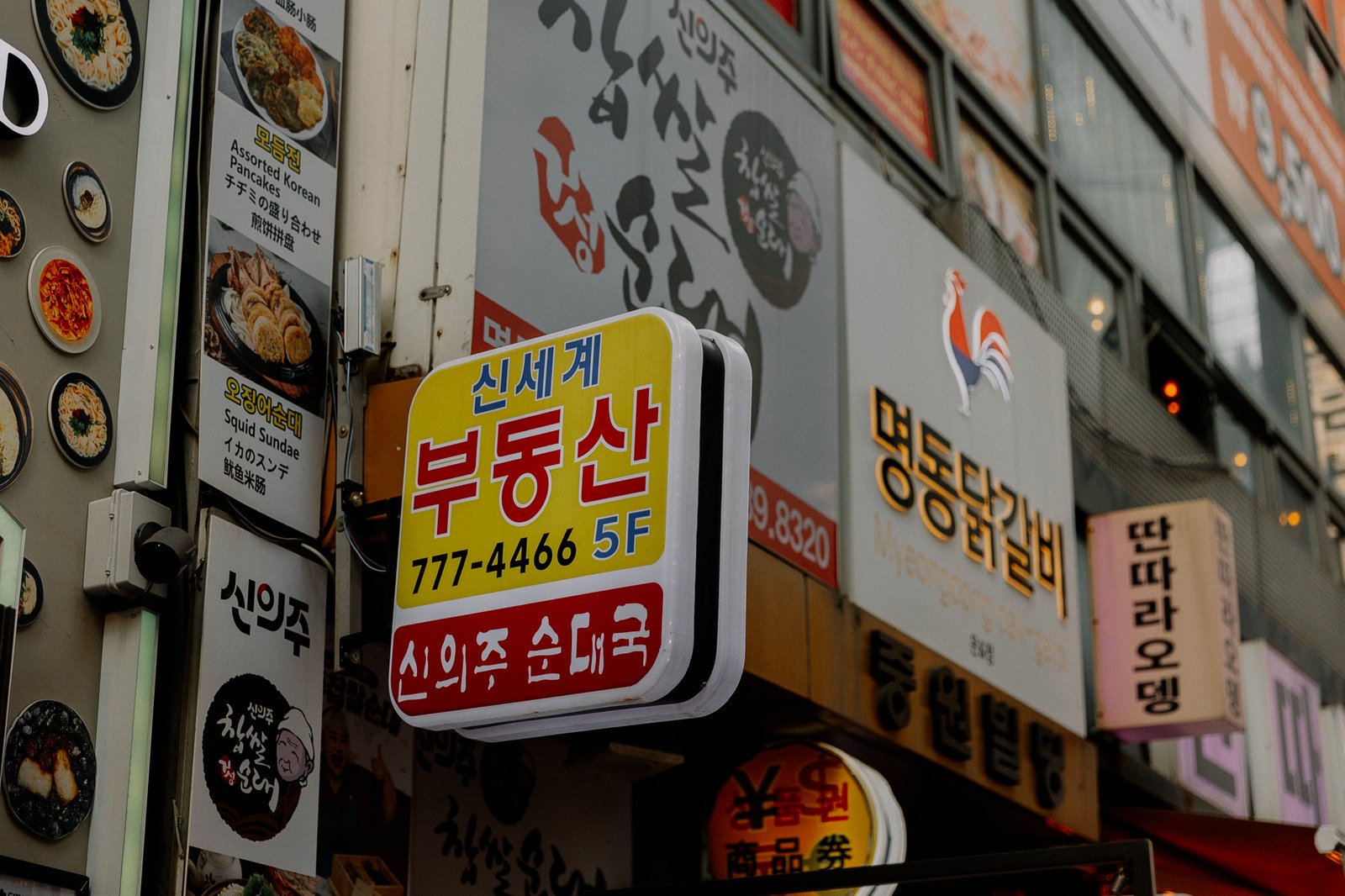
Where to shop: Myeongdong, Dongdaemun and Namdaemun markets
Each area suits a different kind of shopper. The table compares them side by side. Cost is described qualitatively because verified price figures are not available.
| Option | Cost | Time | Best for |
|---|---|---|---|
| Myeongdong (department store and brand shops) | Mid to high; refunds easy to claim | Lotte Main Branch 09:30–20:00 daily (as of November 2026, VisitKorea) | First-timers, easy tax refunds, domestic brands |
| Dongdaemun (malls and outlets) | Mid; outlet stock discounted | Hyundai City Outlets about 10:00–21:00 daily (as of November 2026, VisitKorea) | Bargain hunters wanting a tidy store setting |
| Dongdaemun Shopping Complex (fabric, accessories) | Lower; stall pricing | Garments 08:00–18:00, accessories 09:30–19:00, closed Sundays (as of November 2026, VisitKorea) | Fabric, accessories, trade-style buying |
| Namdaemun market | Lower; check each stall | Hours vary by vendor; check on site | Casual basics, souvenirs, browsing |
In Myeongdong, Lotte Department Store Main Branch (81 Namdaemun-ro, Jung-gu) runs tax refund lounges and customer service counters on floors 9–12, and brand stores such as 8 Seconds Myeongdong Station Branch process refunds at checkout (as of November 2026, VisitKorea). In Dongdaemun, Hyundai City Outlets (20 Jangchungdan-ro 13-gil) has refund counters and participating brands across several floors (as of November 2026, VisitKorea).
Late-night Dongdaemun market hours are not reliably documented; the sources available are old, so confirm stall schedules when you arrive. Locations of independent refund kiosks outside major malls could not be verified, so ask at the venue or an airport information desk.
For store picks, see Best Korean Clothing Shops in Seoul and the Myeongdong shopping guide.
Outlets and sales seasons that lower prices
Outlets are the most reliable way to lower the price of branded clothes, since they sell earlier-season stock. Hyundai City Outlets Dongdaemun is the easiest to reach from central Seoul and combines discounts with on-site refund counters.
Seasonal clearances and the Korea Great Sale can cut prices further, but the 2026 dates and discount tiers could not be verified in the official sources reviewed. Check VisitKorea or koreagreatsale.org closer to your departure date rather than planning a trip around an assumed sale.
Sales stock is often limited in size. If you are at the ends of the size range, shop early in the sale period or choose markets where new stock arrives constantly.
Sizing, returns and bargaining tips for US shoppers
Sizing. Many Korean labels cut smaller than US sizes, and "free size" items are designed for a narrow range. Try items on, and check shoulder and length rather than relying on the letter size.
Returns. Policies depend on each merchant. Traditional wholesale market stalls generally do not accept returns or exchanges for change of mind (as of November 2026). Treat market purchases as final.
If you return or exchange an item that already had a tax refund processed, the refund transaction must be canceled at checkout first (as of November 2026, VisitKorea). Do this before leaving the store.
Bargaining. Department stores and brand shops use fixed prices. In markets, polite negotiation is sometimes possible, especially for multiple items, but do not expect large cuts, and do not haggle at stores with price tags.
Bringing it home. US residents returning after 48 hours or more abroad have a duty-free personal exemption of $800 per person for accompanying goods, including clothing (as of November 2026, U.S. Customs and Border Protection). Items shipped separately do not count toward that exemption, and unsolicited mailed gifts are duty-free up to $100 per recipient per day (same source).
Practical notes: payment cards, currency and US credit card fees
Most shops accept foreign cards, but small market stalls may prefer cash. Paying in won is usually better than accepting a dollar conversion at the terminal, which tends to add a poor exchange rate.
Most standard US credit cards charge a foreign transaction fee of 1% to 3% unless the card advertises none (as of November 2026, general US card practice). The exact fee depends on your cardholder agreement, so check with your bank. A 3% fee can cancel out much of a 5% to 8% net tax refund, so a no-fee card matters.
Which to choose:
- First-time visitor wanting convenience: Myeongdong, using immediate refunds at participating stores.
- Bargain-focused shopper: Dongdaemun outlets, plus market stalls for basics, accepting no returns.
- Big-budget buyer: department stores and the refund booth route, keeping receipts and unused items together.
- Casual browser: Namdaemun, with cash and no expectation of large savings.
In short, Korea rewards targeted shopping: domestic labels, outlets and sales, a no-fee card and a properly processed refund. Compare prices in dollars, keep tax-free items unused, and check official sale pages shortly before you travel.
Sources checked November 2026: visitkorea.or.kr, visitseoul.net, visitkorea.or.kr, visitkorea.or.kr, visitkorea.or.kr, visitkorea.or.kr.