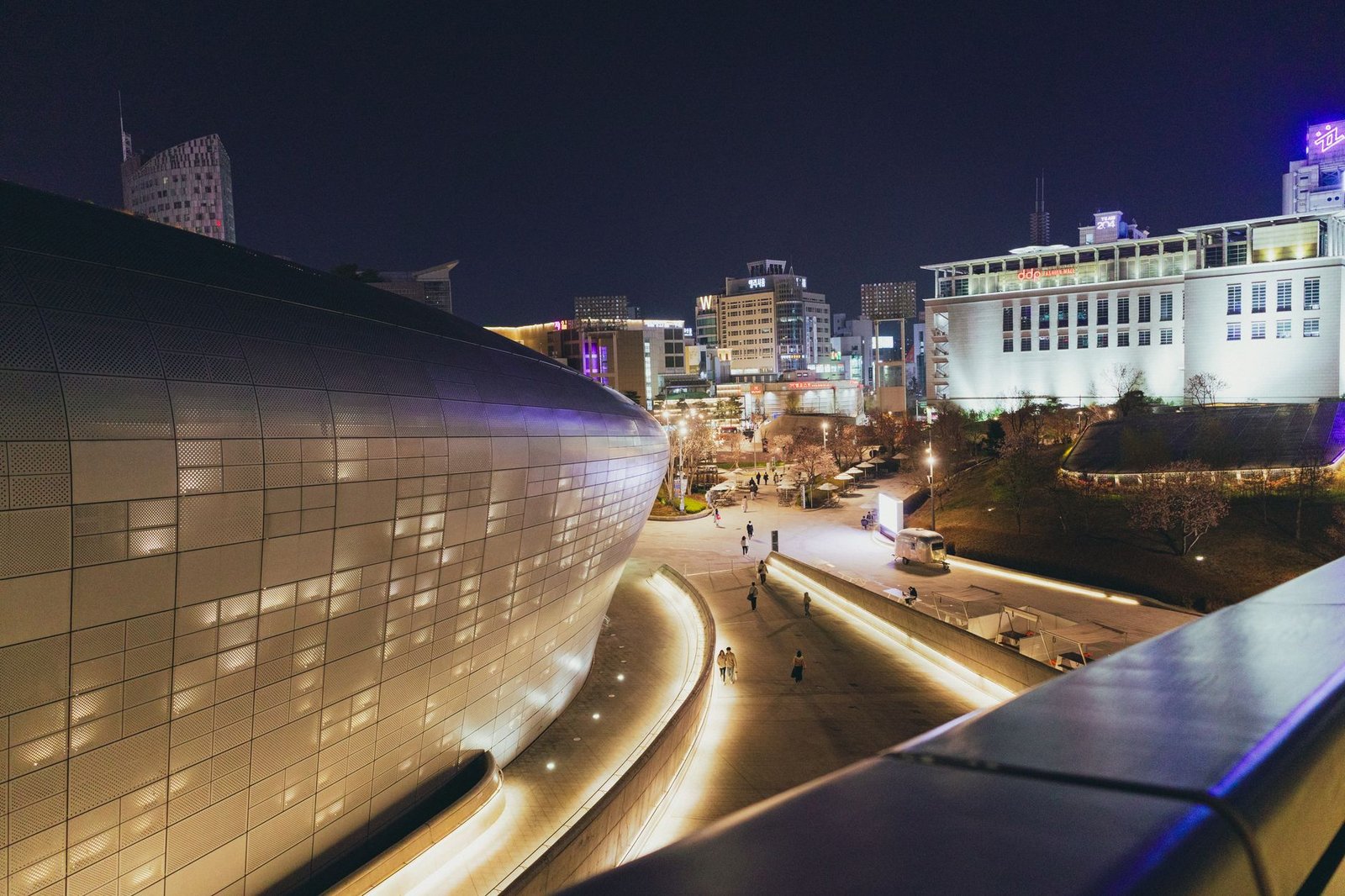
Start with Dongdaemun for volume and late hours, Seongsu-dong for independent labels, and Garosu-gil for polished boutiques. Check sizing in person and keep your passport handy for tax refunds.
Why Seoul Is a Great Place to Shop for Korean Fashion
Seoul packs wholesale malls, independent labels and designer boutiques into a handful of neighborhoods that are easy to reach by subway. That range matters for visitors: you can buy a budget basic in one district and a considered local-brand piece in another, all in a single day or two.
This guide covers three shopping areas in a practical order: the big malls, the independent scene, and the boutique streets. It then deals with the questions that trip people up, namely sizing, returns, tax refunds and payment. US passport holders traveling to South Korea for visa-free entry are included in the temporary K-ETA exemption program extended through 2026 (k-eta.go.kr), so entry paperwork should not shape your shopping plans, but check the official site before you travel.
If you want a wider list of stores beyond these districts, see our companion piece, Best Korean Fashion Stores in Seoul for Shopping Travelers.
1. Dongdaemun Market: Late-Night Wholesale and Retail Clothing
What it is: A cluster of fashion malls and market buildings around Dongdaemun, built around trend-driven womenswear, menswear and accessories. Many stalls sell both to trade buyers and to individual shoppers.
Why it fits you: It is the best option if you want volume, variety and flexible hours. Three malls show how long some of them stay open (as of November 2026, Visit Korea):
- Doota Mall
- 10:30 to 24:00 daily; closed on Seollal and Chuseok
- Migliore (Dongdaemun Branch)
- 10:30 to 04:30 the following morning; open all year
- Hello apM
- Listed as 24 hours; open all year
Prices and hours can vary by branch and season — check the official site before you go.
Prices vary widely by stall and item, so I would not trust any single figure; compare a few stalls before buying.
Go in the evening if you dislike crowds or heat. The late-opening malls make an after-dinner session realistic, though stall-level hours can differ from the mall listing, so confirm before making a special trip.
Drawback: The buildings are large and repetitive, and fitting rooms may be limited or absent at some stalls. It is easy to lose two hours and leave with items you cannot try on properly.
2. Seongsu-dong: Independent Brands and Pop-Up Stores
What it is: A former industrial district in eastern Seoul, now known for converted warehouses, small showrooms, concept stores and short-run pop-ups.
Why it fits you: Choose Seongsu if you prefer smaller labels over mall racks. Browsing here blends easily with cafe stops, and the pop-up format means the line-up changes often. For coffee planning, our Korean coffee shop guide helps.
Foreign credit cards are widely accepted across retail stores and boutiques in Seoul (as of November 2026, Visit Korea), which makes small-brand shopping straightforward. Whether individual shops provide English sizing guides is not documented officially, so ask the staff directly.
Drawback: Pop-ups close or move without much notice, and opening hours differ shop by shop. Check a store's own social media page on the day before you set out.
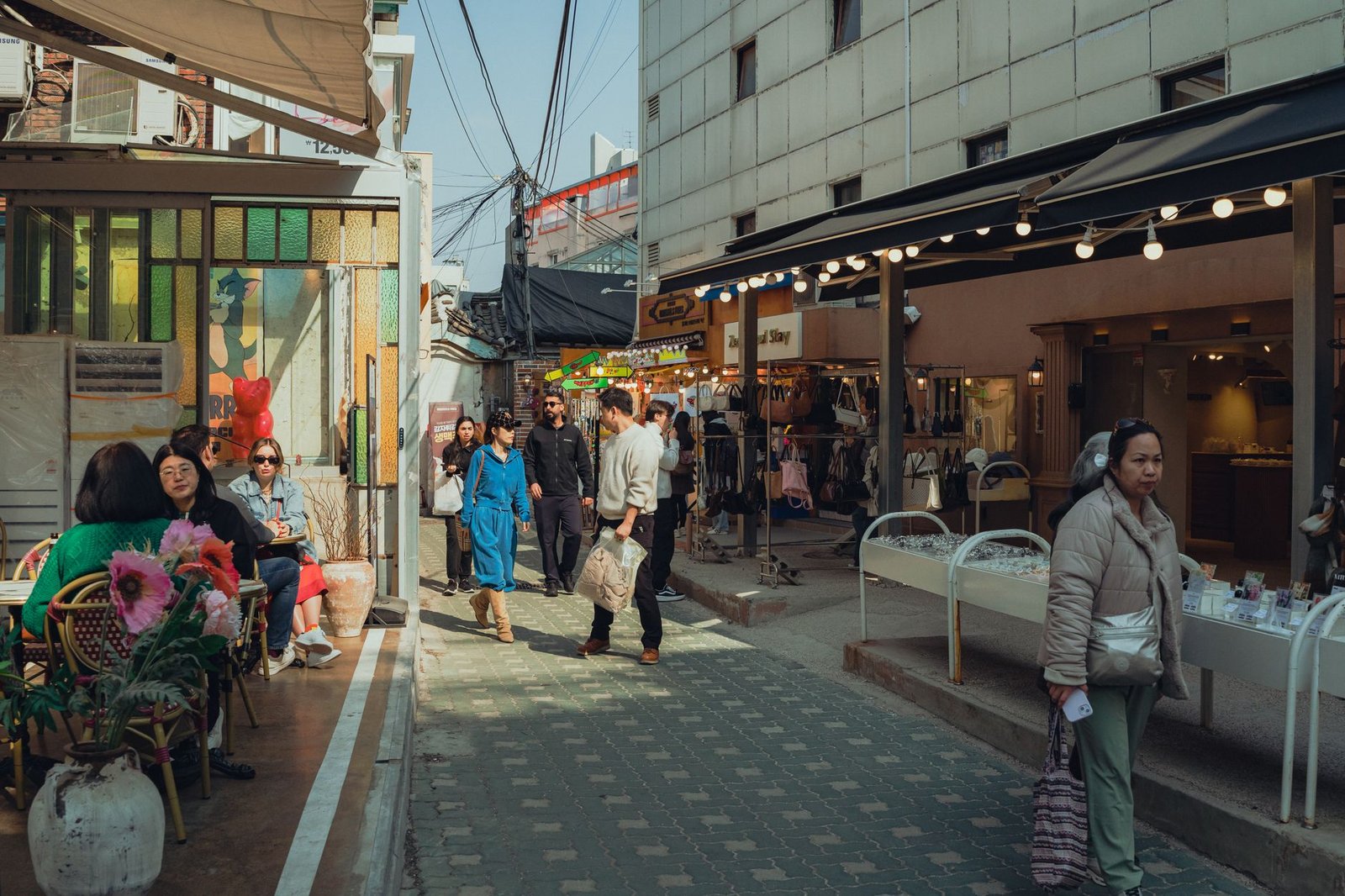
3. Garosu-gil and Sinsa-dong: Trendy Boutiques and Designer Labels
What it is: A tree-lined shopping street in Sinsa-dong in Gangnam, lined with boutiques, domestic designer labels, select shops and cafes.
Why it fits you: It suits unhurried browsing in a cleaner, calmer setting than the big markets. Shops are individually run, so staff can often help with fit and styling, and you can try things on in proper fitting rooms.
Payment is easy: foreign credit cards are widely accepted in Seoul boutiques (as of November 2026, Visit Korea). As with Seongsu, English-language sizing guides are not documented, so ask staff to show you measurements rather than assuming a label.
Drawback: Prices are generally higher than at Dongdaemun, and the area leans toward fashion-forward styles that may not suit everyone. It is better for a few considered purchases than a bulk haul.
4. Musinsa Standard (Hongdae and Myeongdong): Easy Entry Point
What it is: Physical stores of Musinsa, a well-known Korean fashion platform, with branches in Hongdae and Myeongdong.
Why it fits you: It is the lowest-effort option for first-timers: a single, organized store with basics and Korean-style staples, in areas you will probably already visit. Read our Musinsa Standard guide for how to approach it, and our Myeongdong shopping guide for the surrounding streets.
Drawback: The range is narrower and more mainstream than what you find in Seongsu or Sinsa. Check current stock and hours on the official store pages rather than relying on a general guide.
5. Secondhand and Vintage Stores: For Distinctive Finds
What it is: Resale and vintage shops scattered across Seoul, selling pre-owned clothing at lower prices than new items.
Why it fits you: It works if you enjoy hunting and want something less common than current-season fashion. Our secondhand clothing quality check tips explain what to inspect before paying.
Drawback: Stock is unpredictable, sizes are inconsistent, and return options for used goods are usually tighter than for new items. Inspect seams, zippers and fabric closely before buying.
Sizing, Fitting Rooms, and Returns for Foreign Shoppers
Sizing is the biggest practical hurdle. No official Korean-to-US size conversion chart is published on government or tourism sites, and sizes vary between labels. Do not convert by guesswork; use the garment's measurements, or try it on.
Plus-size clothing is not universally stocked in conventional Korean fashion shops, though specialty brands such as Romi Story and Hotping offer inclusive plus-size options (as of November 2026, Visit Korea). Many items are cut as free size, which means one size meant to fit a narrow range, so check length and shoulder width.
Returns are the real pitfall. No standard return or exchange period for unworn items is published on official tourism platforms; windows vary by store policy and receipt terms. Before paying, ask the staff whether the item can be returned or exchanged, and keep the receipt. At market stalls, assume purchases are final unless told otherwise.
Practical routine: try on everything you can, take measurements from a garment you already own, and photograph any store policy shown at the register.
Getting a VAT Tax Refund on Your Clothing Purchases
Tourists can claim a refund on purchases at certified tax refund shops. The minimum is 15,000 KRW per receipt (as of November 2026, Visit Korea).
There are two routes:
- Immediate refund: at participating shops, purchases from 15,000 KRW to 1,000,000 KRW per receipt are deducted on the spot when you show your passport at checkout (as of November 2026, Visit Korea).
- Regular refund: keep your tax refund vouchers and receipts, and present them with your passport at airport or port customs, or at downtown refund kiosks including Global Blue and Easy Tax Refund operators, before departure (as of November 2026, Visit Korea).
Bring your physical passport on shopping days, not just a photo. Ask at each shop whether it is a certified refund shop before you pay, since many small stalls and independent labels may not be.
Check the current procedures on the official Visit Korea pages before you fly, because refund rules and kiosk locations can change.
Tips for Paying, Bargaining, and Tipping While Shopping
- Cards: Foreign credit cards are widely accepted across Seoul retail stores and boutiques (as of November 2026, Visit Korea). Carry a little cash for small stalls anyway.
- Bargaining: Fixed prices are the norm in boutiques and branded stores. At market stalls, a polite request for a small discount when buying several items may be accepted, but do not push hard.
- Tipping: Tipping is not expected when shopping in Korea.
- Planning: Do markets in the evening, boutiques in the afternoon, and leave time at the end for refund paperwork.
For a simple plan, spend one evening at Dongdaemun, one afternoon between Seongsu-dong and Hongdae or Myeongdong, and a quieter session along Garosu-gil. Try before you buy, ask about returns, and keep your passport and receipts together for the refund.
Sources checked November 2026: visitkorea.or.kr, visitkorea.or.kr, visitkorea.or.kr, visitkorea.or.kr, visitkorea.or.kr, visitkorea.or.kr.