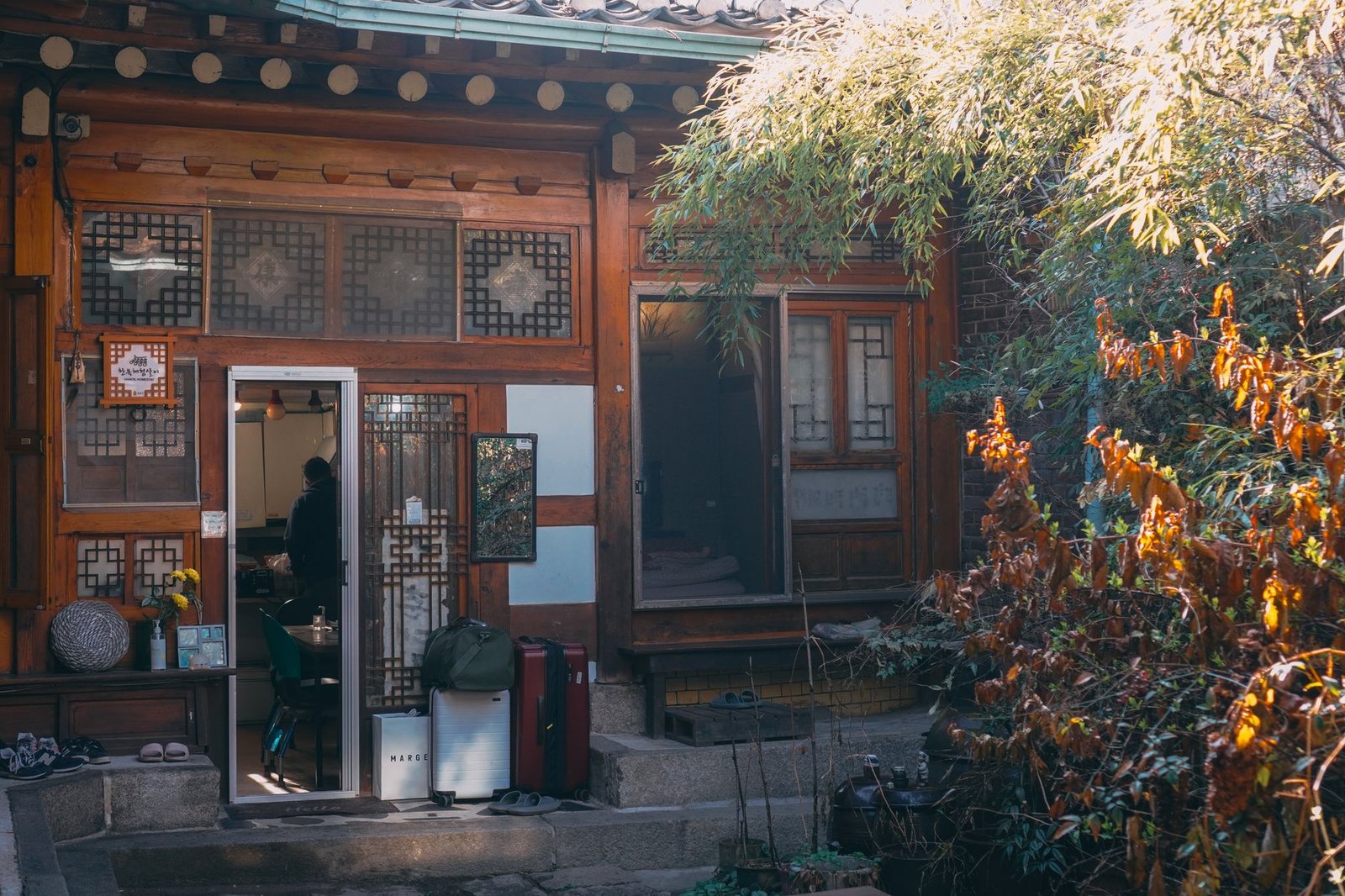
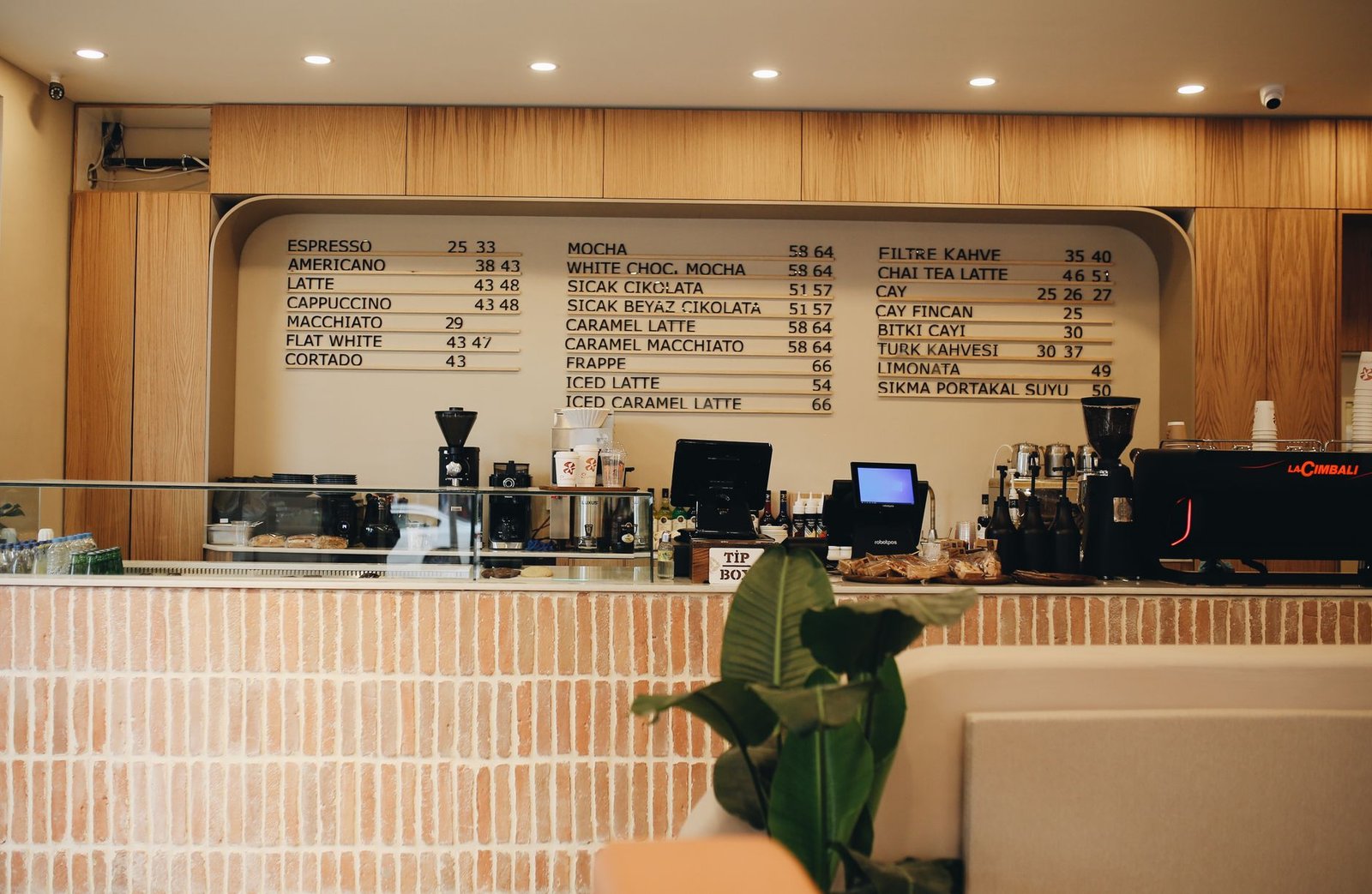
Korean cafes mostly work like US ones: order and pay at the counter, then take a seat. Seating, minimum-order and laptop rules vary by shop, and tipping is not expected.
What Korean Coffee Shops Are Like
Cafes are a core part of daily life in Korea, and they serve several purposes at once. People use them for meeting friends, quiet study, business chats and photo-friendly outings. If you arrive expecting a quick grab-and-go chain, you will find that side too, but many independent shops are designed as places to sit for a while.
The biggest difference from a typical US chain is the range. Alongside large chains, you will find small roasters, dessert-focused shops, themed cafes, and converted houses or warehouses. Many put as much thought into interiors and desserts as into coffee. For a broader overview of the culture, see Korea's Cafe Culture: 7 Things Every Tourist Should Know.
Iced Americano is a common default order in Korea, and many cafes also serve Korean-style drinks and desserts alongside standard espresso drinks. Menus are often long, so take a moment to read before you reach the counter.
How to Order at a Korean Cafe
The most common system is counter service: you order and pay first, then receive a buzzer or a call, or you wait at the pickup area. Many cafes also use a kiosk. Most kiosks have an English option, usually a small language button on the first screen.
- Check the menu board or kiosk. Look for the language button if you need English.
- Choose your drink and select hot or iced. Hot is often marked with a hot label and iced with an ice label.
- Pay at the kiosk or counter. You are usually asked whether you are staying or taking away, so know your answer in advance.
- Wait for your name, number or buzzer, then collect from the pickup counter.
Some smaller or table-service cafes work differently: you sit first and order from a QR code or a staff member. If no one greets you, look around for a counter or a QR code on the table before waiting.
Pointing at the menu works fine. If you want a drink less sweet or without syrup, say so clearly at the counter, since specialty drinks can come sweetened by default.
Cafe Etiquette and Seating Rules
Seating etiquette is mostly common sense, but a few local habits are worth knowing. Many customers reserve a seat by leaving a bag or phone on the table while they order. That is a common practice, and it is generally respected.
Cafes set their own house rules. Some expect one drink per person if you sit down, some have time limits at busy hours, and some restrict laptops. These policies are set independently by each owner and are not documented in any official source, so look for signs near the entrance or counter, or ask staff politely.
Do not assume a rule that applies in one cafe applies in the next. If a sign says a drink per person is required, order one for each member of your group, even if only some of you want coffee.
- Keep your voice moderate, especially in smaller, quieter cafes.
- Return your tray or cups to the designated return area if the cafe has one.
- Ask before taking photos of other customers or the staff.
- Peak weekend hours can be crowded, so popular spots may not have seats immediately.
For wider manners guidance, see Korean Etiquette for Tourists: Essential Culture and Manners Guide.
Famous Cafe Neighborhoods in Seoul
Seoul rewards cafe-hopping on foot, and several districts are built around it. Two of the most visited are easy to reach by subway.
- Seongsu-dong
- Reached directly via Seongsu Station on Seoul Subway Line 2 (source: visitseoul.net). Known for cafes in converted industrial spaces.
- Ikseon-dong
- Reached directly via Jongno 3-ga Station on Seoul Subway Lines 1, 3 and 5 (source: visitseoul.net). Known for cafes in and around traditional low-rise houses.
Prices and hours can vary by branch and season — check the official site before you go.
Seongsu suits visitors who like spacious, modern interiors and a mix of coffee and design shops. Ikseon-dong is more compact, with narrow lanes and small cafes, so it is easy to cover in a couple of hours. Check the Seoul subway pages on Visit Seoul for transit basics.
If you like desserts as much as coffee, Traditional vs Modern: The Ultimate K-Dessert Cafe Tour in Seoul pairs well with a cafe-hopping day. For planning the rest of your trip, the Seoul Travel Guide covers the wider city.
Cafes Beyond Seoul
Cafe culture is not limited to the capital. Other cities and many coastal and countryside areas have their own scenes, often built around a view, a garden or a renovated building. Busan and Jeju are well known for destination cafes, though specific hours and booking rules vary by shop and are not covered by official sources, so check each cafe's own page or map listing before you travel.
Outside Seoul, English menus and kiosks are less consistent. A translation app and the visual menu board usually solve this. Destination cafes in scenic spots can also be harder to reach without a car or a taxi, so plan your route in advance.
Prices, Tipping, and Payment
Prices shown on menus in Korea legally include the 10% value-added tax (as of October 2026, Visit Seoul), so the price you see is the price you pay. I cannot give a verified average for Americanos or lattes, since official portals do not publish current ranges. Expect chains and independent specialty shops to price differently, and check the menu board before ordering.
Tipping is not expected or required at cafes, restaurants or other dining establishments (as of October 2026, Korea Tourism Organization). You can simply pay the listed amount.
Major foreign credit cards, including Visa and Mastercard, are broadly accepted at commercial establishments and chain stores (as of October 2026, Korea Tourism Organization). Whether a specific chain accepts Apple Pay or Google Pay with a non-Korean card is not confirmed in official sources, so carry a physical card as a backup.
Official money basics are on the Visit Seoul money page and the Visit Korea travel guidance.
Tips for Finding English-Friendly Cafes
English support is common in tourist-heavy areas but uneven elsewhere. A few habits make it easier.
- Choose cafes with kiosks, which often include an English option, or with photo menus.
- Look at English-language map listings and recent reviews for mentions of English menus.
- Large chains are generally more consistent for menu layout, though details differ by branch.
- Busy tourist shopping areas tend to have staff more used to foreign visitors. For example, see the Myeongdong bingsu cafe guide.
One entry note: US passport holders visiting South Korea for short-term tourism have benefited from a temporary K-ETA exemption, which is time-limited, so check k-eta.go.kr for the current status before you travel; for travelers who do need a K-ETA, the official application fee is 10,000 KRW (k-eta.go.kr). Check the official K-ETA site before you fly, since this is a rule that can change.
In practice, treat a Korean cafe like a counter-service shop with a few house rules. Order first, read the signs, pay by card, skip the tip, and pick a neighborhood such as Seongsu or Ikseon-dong for an easy first cafe-hopping day.
Sources checked October 2026: visitseoul.net, visitkorea.or.kr, visitkorea.or.kr, visitseoul.net, k-eta.go.kr, visitseoul.net.