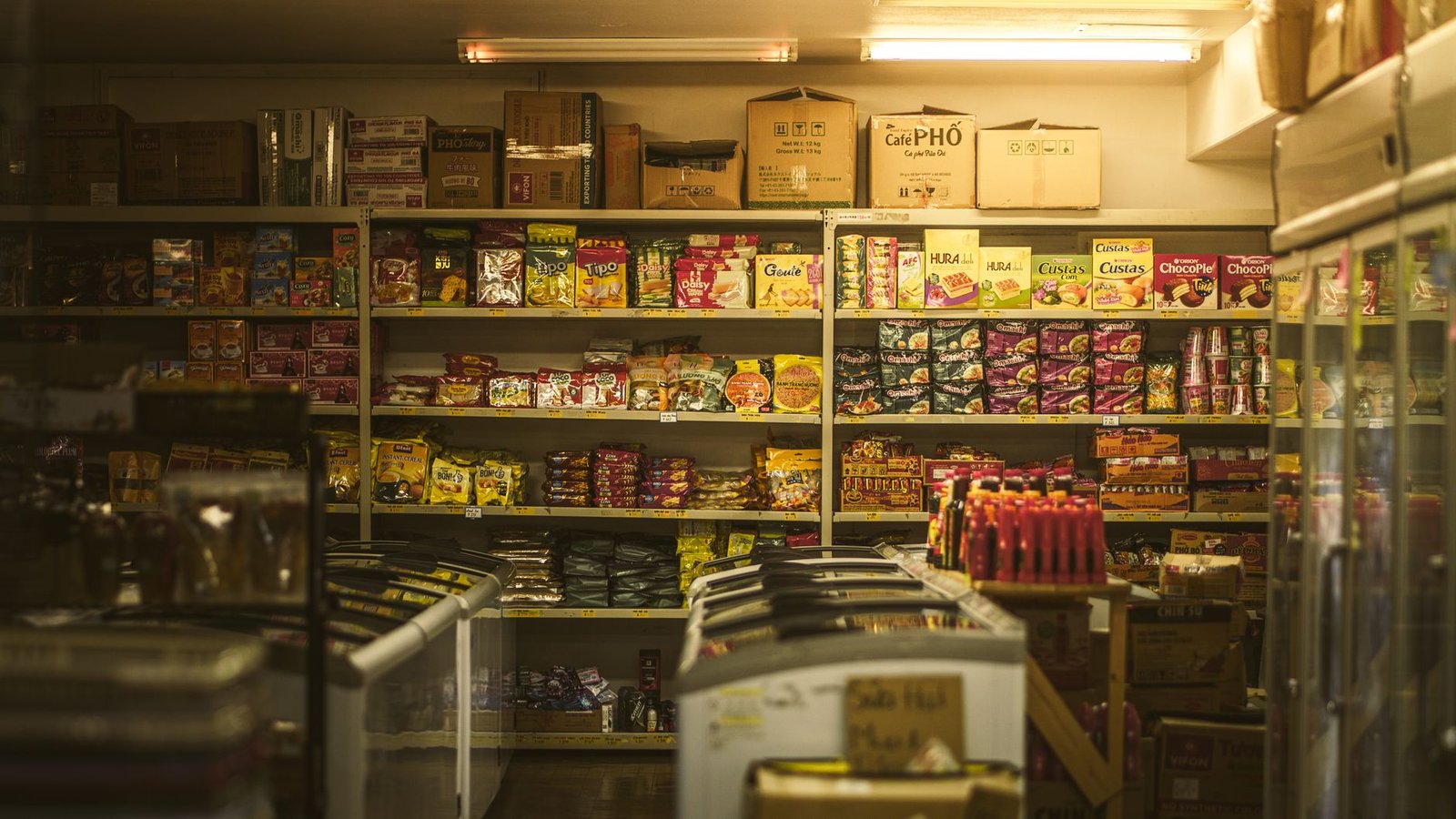
Start with triangle kimbap, cup ramen and a boxed dosirak meal; they are cheap, filling and easy to prepare in-store. Bring a foreign card or T-money, and buy items before using the hot water or microwave.
Why Korean convenience store food is worth trying
Korean convenience stores, usually shortened to pyeonuijeom, are a real part of daily eating, not just a place for emergency snacks. Office workers, students and travelers all use them for quick breakfasts, late-night ramen and cheap lunches. For a visitor, they solve three problems at once: the language barrier (you can see and pick up what you want), the budget, and odd hours between meals.
The big chains you will see everywhere are GS25, CU, 7-Eleven and Emart24. Their menus overlap heavily, so you do not need to hunt for a particular brand. This guide ranks seven practical picks, then covers eating in-store, paying and delivery. If you want the wider picture of Korean food first, see What to Eat in Korea: A First-Timer's Guide to Korean Food.
Product lineups rotate often, and the notes behind this guide do not include verified brand-by-brand price comparisons. Treat the price ranges below as general guides and check the shelf label.
Must-buy triangle kimbap and onigiri
1. Triangle kimbap (samgak gimbap)
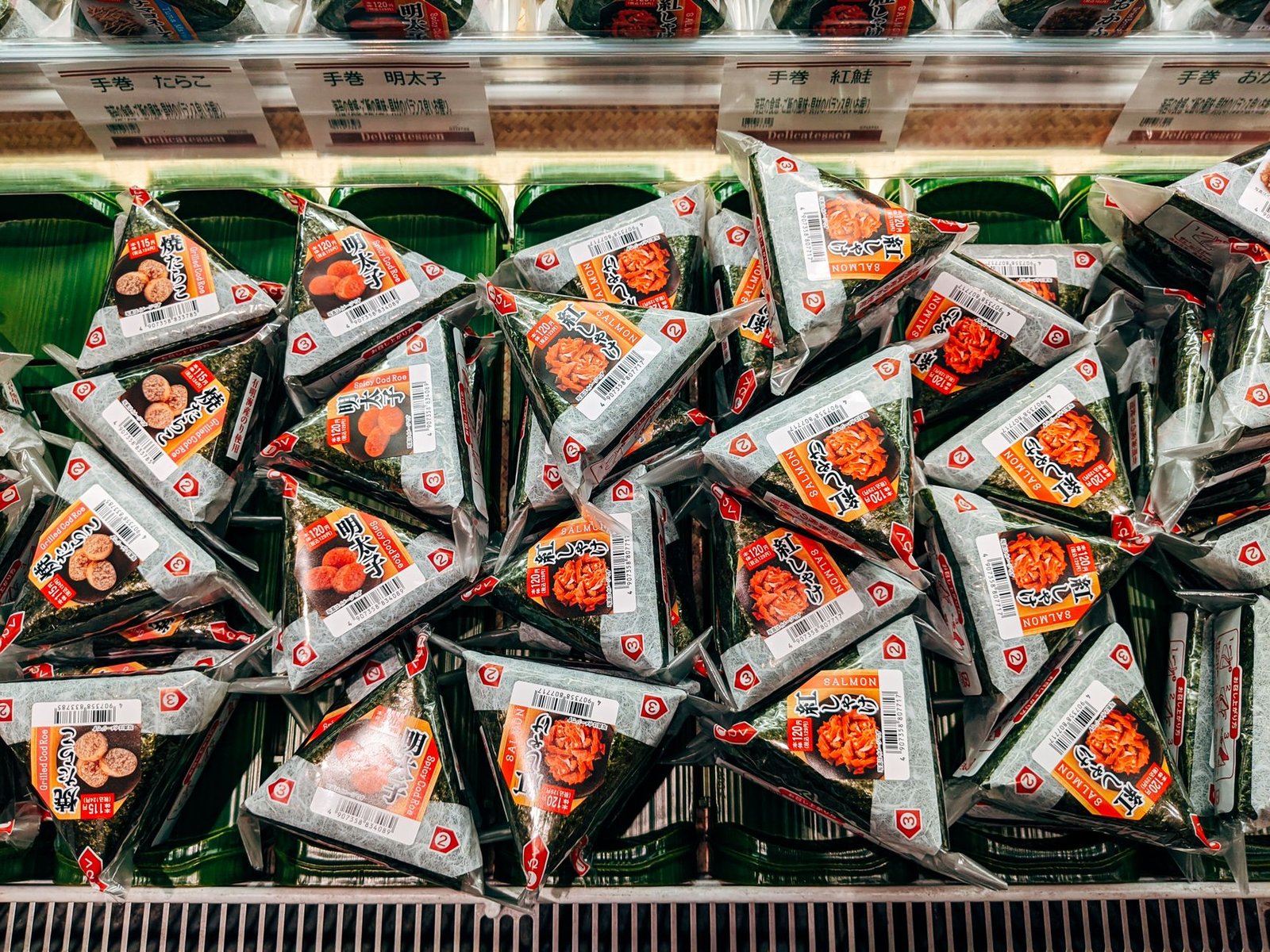
What it is: a triangle of rice with a filling, wrapped in seaweed that stays separate from the rice until you open it. Common fillings include tuna mayo, spicy pork, bulgogi and kimchi, though choices vary by store.
Why it fits you: it is the simplest first purchase. Prices run about ₩1,000 to ₩1,800 (as of November 2026, OneulKorea), so you can try two or three flavors for the cost of a coffee at a cafe.
Where: every GS25, CU, 7-Eleven and Emart24, usually in the refrigerated section near the door or the lunch-box shelf.
- Look for the numbered pull-tabs on the plastic wrapper.
- Pull tab 1 down the middle to split the film.
- Pull the two sides off, leaving the seaweed wrapped around the rice.
Drawback: flavor names are in Korean, and tuna mayo and spicy options look similar. If you avoid pork, shellfish or spice, check the ingredient label or use a translation app on the package.
Instant cup ramen and hot water tips
2. Cup ramen and packaged noodles
What it is: instant noodles in a cup or bowl, sold in dozens of varieties from mild beef broth to very spicy stir-fried styles. Cup ramen generally costs ₩1,200 to ₩2,000 (as of November 2026, OneulKorea).
Why it fits you: it is a cheap warm meal on a cold day and a classic Korean convenience store experience. Free hot water dispensers are available in most stores (as of November 2026, Walk & Ride Korea), so you can eat on the spot.
- Pay at the register first. Items must be purchased before you use the hot water or microwave (as of November 2026, Walk & Ride Korea).
- Peel the lid back to the line marked inside the cup, add hot water, then close it again. A chopstick or the lid fold can hold it shut.
- Follow the waiting time printed on the package, since it differs between brands.
Many people add a triangle kimbap or a cheese stick to their ramen. For more creative combinations, see Korean Han River Ramen Maker & Viral Convenience Store Combination Recipes.
Drawback: some stir-fried noodles require draining hot water through the lid holes, and some are very spicy. Read the instructions before you pour, and do not drain soup-style cups.
Hot meals, sandwiches and ready-to-eat snacks
3. Boxed meals (dosirak)
What it is: a microwaveable lunch box with rice, a main dish and a few small sides. Prices run about ₩3,000 to ₩5,000 (as of November 2026, HaniSeoul).
Why it fits you: it is the closest thing to a home-style meal in a store, and it is usually more filling than a sandwich. Microwave times are printed on the label (as of November 2026, SEOUL SCOPE).
Drawback: options are often heavy on fried items or spicy sauces, and the staff may ask whether you want it heated. A simple gesture toward the microwave is enough.
4. Sandwiches and triangle-cut bread
What it is: fresh sandwiches, egg salad and cutlet styles, often in the chilled aisle next to the kimbap.
Why it fits you: they work as a no-heating breakfast when you are rushing to a train or bus. I do not have verified prices for these from the research behind this guide, so check the label in store.
Drawback: shelf life is short, and popular items can sell out early in the morning.
5. Ready-to-eat snacks: eggs, sausages and rice balls
What it is: roasted eggs, packaged sausages, dried squid, rice cakes and similar items sold near the counter or in chilled cases.
Why it fits you: they are light add-ons to ramen or a quick protein hit on a hiking day. Prices vary by product, so check each label.
Drawback: quality and flavor vary by chain and store, and some items are salty or sweet-heavy. For more ideas, see 7 Epic Korean Convenience Store Hacks Every Tourist Must Try.
Eating in-store: tables, microwaves and etiquette
Many stores have window or counter seating where you can eat what you bought (as of November 2026, SEOUL SCOPE). Not every store has it, especially small ones in busy districts. Some have a few stools, others a full table area with a sink and trash bins.
- Hot water
- Free self-service in most stores (as of November 2026, Walk & Ride Korea)
- Microwave
- Free self-service; buy the item first (as of November 2026, Walk & Ride Korea)
- Heating times
- Printed on the package label (as of November 2026, SEOUL SCOPE)
- Tipping
- Not expected at the counter (as of November 2026, SEOUL SCOPE)
Prices and hours can vary by branch and season — check the official site before you go.
6. The in-store ramen-and-kimbap combo
What it is: a cup ramen plus one or two triangle kimbap, eaten at the window seat. It combines picks 1 and 2.
Why it fits you: based on the ranges above, it can come to roughly ₩2,200 to ₩3,800 for one ramen and one kimbap (as of November 2026, derived from OneulKorea), which is low for a full meal.
Drawback: seating is limited and often full at lunch and late evening. Tidy up when you finish: throw away your cup, wipe the table and sort recycling if bins are labeled.
Wooden chopsticks are usually available near the hot water station. If you do not see any, ask staff at the register when you pay.
Paying, bag fees and delivery apps
Payment for US visitors
Major foreign credit and debit cards, including Visa, Mastercard and Amex, are widely accepted, as is cash in KRW (as of November 2026, SEOUL SCOPE). T-money cards also work at GS25, CU, 7-Eleven and Emart24 (as of November 2026, Tmoney). If you already carry one for the subway, you can use it here for small purchases.
No tipping is expected at the counter, and South Korea does not have a tipping culture for US visitors in general (as of November 2026, VISITKOREA).
Bags
Single-use plastic bags are regulated and a bag charge may apply. I do not have a verified fee amount, so ask at the register. Carrying a small tote is easier.
7. Delivery apps as a fallback
What it is: quick-commerce delivery in Seoul through Baemin (B Mart), Coupang Eats, Yogiyo and Shuttle Delivery (as of November 2026, Seoul Bestie).
Why it fits you: useful on a rainy night or if you are sick. Baemin's B Mart requires a minimum order of ₩15,000 (as of November 2026, GoWonderfully), and Shuttle Delivery starts at ₩10,000 in minimum item value (as of November 2026, Shuttle Delivery).
Drawback: the minimums are high for a single snack, and app setup with a foreign phone number or card can be fiddly. In-store is faster for one person.
Convenience store chains compared: GS25, CU, 7-Eleven and Emart24
For a visitor, the chains are more alike than different. All four accept T-money, and all sell triangle kimbap, cup ramen and boxed meals. Verified brand-by-brand price comparisons are not available for this guide, so avoid planning around one chain's price advantage.
| Chain | What to know |
|---|---|
| GS25 | Widespread; T-money accepted (as of November 2026, Tmoney) |
| CU | Widespread; T-money accepted (as of November 2026, Tmoney) |
| 7-Eleven | T-money accepted (as of November 2026, Tmoney); fewer stores in some areas |
| Emart24 | T-money accepted (as of November 2026, Tmoney); selection varies by location |
A practical rule: go to whichever store is nearest, then compare labels. Specialty items and limited editions change often, so a quick look around two stores can be worthwhile if you have time.
If you are heading to the coast, What to Eat in Busan: A Foreign Visitor's Food Guide covers restaurant meals to balance out the store food.
To wrap up: start with a triangle kimbap and a cup ramen, pay before you use the hot water or microwave, bring a foreign card or T-money, and check the shelf label for anything you want to avoid. It is an inexpensive, low-stress way to eat in Korea between larger meals.
Sources checked November 2026: oneulkorea.com, haniseoul.com, arrivekorea.com, seoulscope.com, walkandridekorea.com, visitkorea.or.kr.