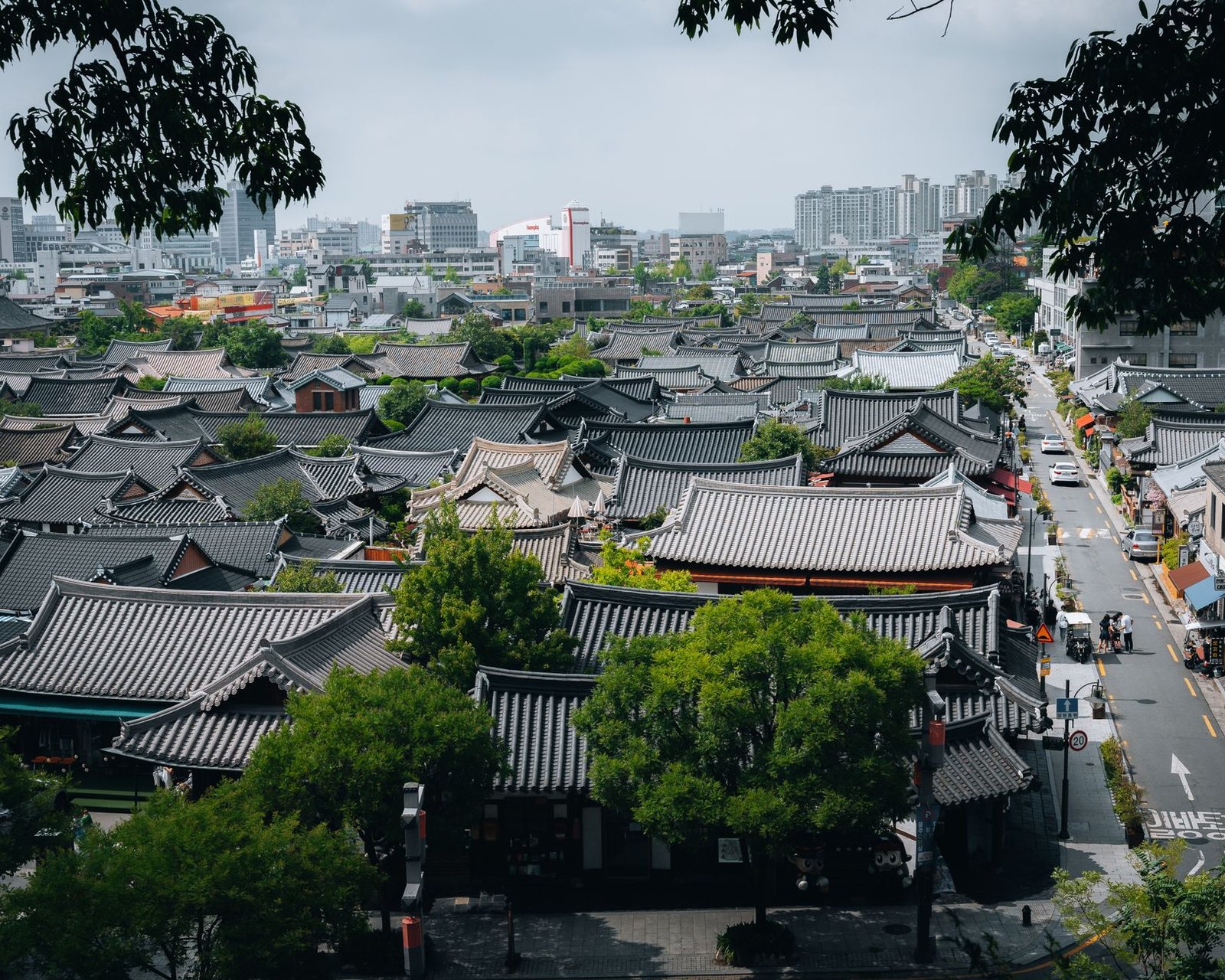
Jeonju suits a long day trip or one night from Seoul. Come for the hanok village, bibimbap and Gyeonggijeon Shrine; KTX takes about 1 hour 40 minutes.
Why Jeonju Is Worth the Trip from Seoul
Jeonju is a mid-sized city in the Jeolla region, long associated with Korean food and traditional architecture. For visitors who have already seen Seoul's palaces, it offers something different: a walkable old quarter, a royal shrine, and a food culture that Koreans themselves travel for. This guide ranks seven picks, with a practical drawback for each, so you can decide how much time to give the city.
The short version: one long day works if you leave Seoul early, but an overnight stay lets you see the hanok lanes after the day-trippers leave. Bibimbap is the obvious dish to try, and the food section below explains how to order it and what else is worth your appetite.
- 1. Jeonju Hanok Village
- 2. Bibimbap and local dishes
- 3. KTX from Seoul (the way in)
- 4. Gyeonggijeon Shrine
- 5. Traditional culture sights nearby
- 6. A hanok guesthouse night
- 7. Planning for US travellers
1. Jeonju Hanok Village: What to See and Do
What it is: A large cluster of traditional Korean houses with tiled roofs, lanes, teahouses, craft shops and small museums. It is the reason most people come to Jeonju.
Why it fits you: It is easy to explore on foot, and you can drift between tea, snacks and photo stops without a fixed itinerary. If you have seen Bukchon in Seoul, this feels broader and more lived-in as a visitor district. Our Jeonju Hanok Village guide covers the lanes in more detail.
- Entry
- Free; the village grounds are accessible 24/7 (as of November 2026, Visit Korea)
- Hours inside
- Individual shops, cafes and museums set their own hours, so check before planning around a specific one
Prices and hours can vary by branch and season — check the official site before you go.
Many visitors rent hanbok here for photos. If you do, the etiquette notes in our Bukchon etiquette guide apply equally: people live and work in these houses, so keep voices low and do not enter private yards.
Honest drawback: Weekends and holidays get crowded, and some streets lean heavily on souvenir stalls. Early morning or evening is calmer.
Video: VISITKOREA (Korea Tourism Organization) (official YouTube). Seeing Jeonju Hanok Village on screen first makes the tips in this guide easier to follow on the day.
2. Eating in Jeonju: Bibimbap and Other Local Dishes
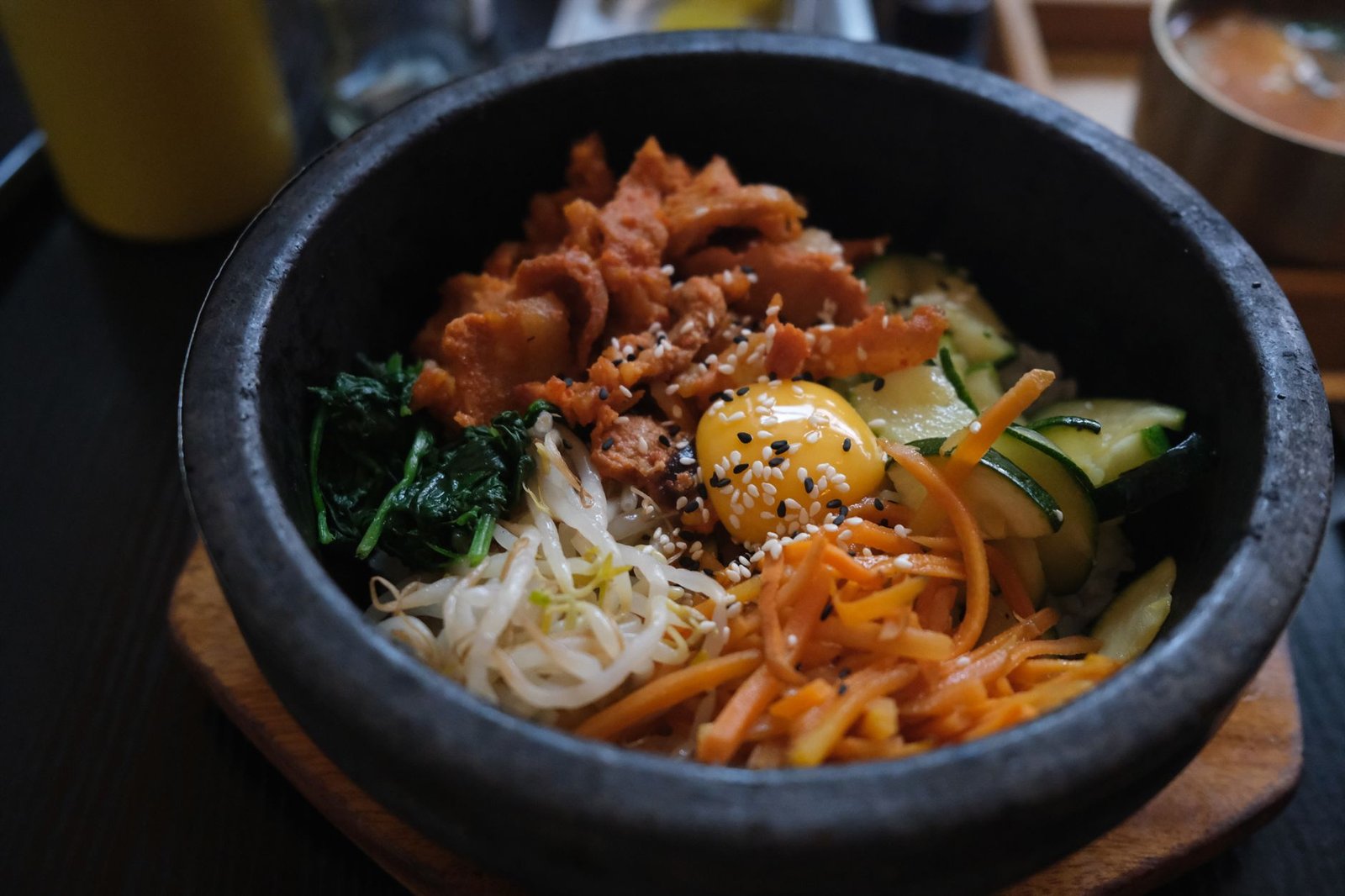
What it is: Bibimbap is steamed rice topped with seasoned vegetables, usually meat or egg, and gochujang (chilli paste), which you mix together before eating. Jeonju is the city most closely associated with it.
The bibimbap question: Should you eat it in Jeonju rather than Seoul? If you want to try it once as a regional specialty, yes. Restaurants here tend to treat it as a signature dish rather than a quick lunch, with many small side dishes (banchan) arriving alongside. Ask for the sauce on the side if you are cautious about spice, then add it gradually.
Jeolla cooking is known for generous banchan. Go hungry, and share a few dishes if you are two or more, since you will otherwise be unable to finish the table.
Beyond bibimbap, look for other regional comfort dishes such as kongnamul gukbap (a bean sprout and rice soup), a common hangover-style breakfast. Street snacks around the hanok area change often, so treat any list as a starting point rather than a promise. For ordering phrases and general etiquette, see the Korea food guide.
Prices: I do not have verified current menu prices, so check the menu board or a map app before sitting down. Tipping is not customary in Korean restaurants because service is included in the menu price (as of November 2026, Visit Korea).
Honest drawback: Popular bibimbap restaurants can have queues at midday, and many are set up for two or more diners, so solo travellers may find fewer comfortable options.
3. Getting to Jeonju from Seoul by KTX and Bus
What it is: The practical link that makes a day trip possible. The Jeolla KTX line serves Jeonju Station from Seoul and Yongsan stations (as of November 2026, KORAIL).
- Travel time
- About 1 hour 40 minutes from Yongsan or Seoul Station (as of November 2026, Visit Korea)
- Fare
- Not confirmed in my sources; check live fares on KORAIL's English site
- Search your date on the KORAIL English booking page and choose Seoul or Yongsan as the departure station.
- Select a Jeonju-bound KTX and book a seat; popular weekend trains can sell out.
- On arrival, you will need a short taxi or local bus ride to the hanok area, so allow extra time for that connection.
Bus option: Intercity express buses also run between Seoul and Jeonju. I do not have verified times or fares for them, so check the operator or terminal booking site before choosing.
Make sure you are on a Jeolla-line train for Jeonju. Not every KTX goes there, so check the destination on your ticket and the departure board.
Honest drawback: A round trip of roughly 3 hours 20 minutes on the train alone leaves limited time for sightseeing on a day trip. Leave on an early train.
4. Gyeongiljeon Traditional Culture Centre and Nearby Sights
A note on the name: The main heritage site beside the hanok village is Gyeonggijeon Shrine, which is where my notes provide verified details. I do not have verified information on other culture centres, so check with local tourist information on arrival for any additional exhibition venues.
What it is: A royal shrine in the hanok area that houses a portrait of the founder of the Joseon dynasty. It is quieter than the village lanes and good for a slower stretch of your day.
- Hours
- November to February 09:00–18:00; March to May and September to October 09:00–19:00; June to August 09:00–20:00. Last admission is one hour before closing (as of November 2026, Visit Korea)
- Admission
- ₩3,000 adults (ages 25–64); ₩2,000 teenagers (13–24); ₩1,000 children (7–12). Free for children 6 and under, seniors 65 and over, and everyone on the last Wednesday of each month (as of November 2026, Visit Korea)
- Closed
- Open all year with no scheduled closing days (as of November 2026, Visit Korea)
Why it fits you: The fee is low, and it adds historical context to what could otherwise be a food-and-photos trip. In winter, the earlier 18:00 closing means you should arrive by about 17:00.
Honest drawback: Explanations on site may be limited if you do not read Korean, so reading a short background before visiting helps.
5. Where to Stay: Hanok Guesthouses vs. Modern Hotels
What it is: A choice between sleeping in a traditional house within the village, or in a conventional hotel elsewhere in the city.
Hanok guesthouse: You get the atmosphere, often a floor mattress (yo) on heated floors, and quiet lanes in the evening. Rooms tend to be small, walls thin, and bathrooms vary. Our checklist for booking modern hanok stays lists what to confirm beforehand, such as bedding type, check-in hours and noise.
Modern hotel: Better for beds, soundproofing and luggage storage, and often easier near the station or main roads. You lose the evening-in-the-village feeling.
I do not have verified room rates, so compare current prices on your booking platform.
Honest drawback: Hanok rooms are a trade-off in comfort. If you are a light sleeper or travelling with a lot of luggage, a hotel may suit you better.
6. Practical Tips for US Travellers: Tipping, Plugs, and K-ETA
K-ETA: US passport holders entering visa-free are currently temporarily exempt from the K-ETA requirement, and the visa-free stay remains up to 90 days (as of November 2026, K-ETA). Rules can change, so confirm on the official K-ETA notice before you fly. I could not verify the application fee, so do not rely on third-party figures.
Tipping: Not customary in restaurants, taxis or for service staff, because service is included in prices (as of November 2026, Visit Korea).
Plugs: I could not verify electrical details from my sources. Check an official utility or travel portal page, and bring an adapter if your devices need one.
Flights: Non-stop flights connect major US gateways, including Los Angeles and New York, to Incheon (as of November 2026, Incheon International Airport). Check airline schedules for flight durations.
Wrap-up: For most visitors, a sensible plan is an early KTX from Seoul, a bibimbap lunch, a slow afternoon in the hanok village and Gyeonggijeon Shrine, then either an evening train back or a night in a guesthouse. Book your train in advance, check shop hours on the day, and keep the schedule loose.
Sources checked November 2026: letskorail.com, visitkorea.or.kr, letskorail.com, k-eta.go.kr, visitkorea.or.kr, visitkorea.or.kr.