Korean winter cuisine centers on bubbling stone-pot stews, rich bone broth soups, and hot griddled street snacks. From savory samgyetang to sweet hotteok, these ten iconic dishes provide comfort during South Korea's coldest months.
Why Winter Is the Best Season for Korean Comfort Food
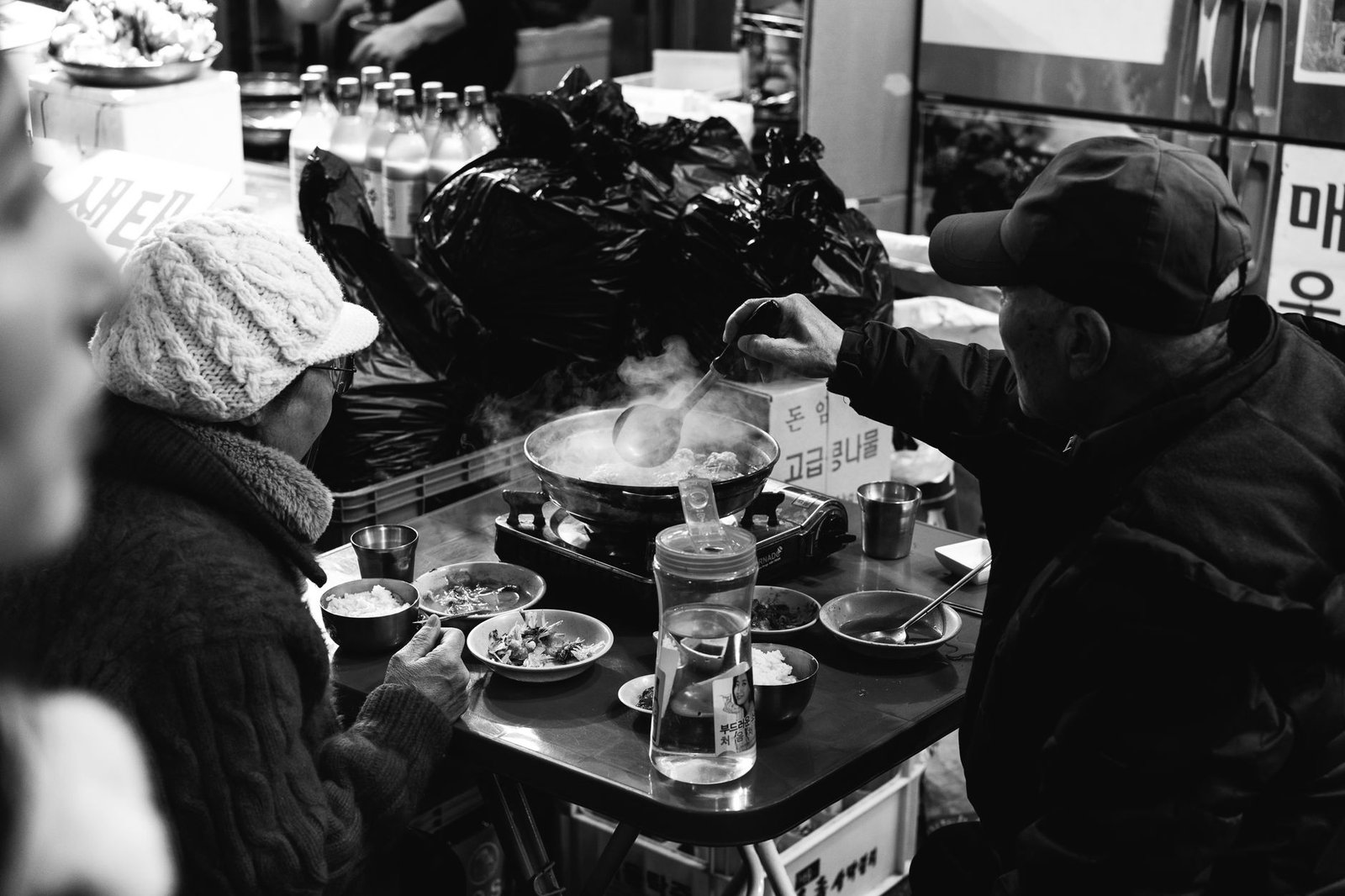
Winter in South Korea brings crisp, frosty temperatures from December through February, creating ideal conditions to experience the country's rich culinary traditions. Korean winter dining revolves around heat, steam, and shared meals. Restorative soups served in retains-heat stone bowls (ttukbaegi), bubbling tabletop hot pots, and streetside griddles producing piping-hot snacks are designed specifically to ward off the chill.
For visitors from the UK, where winter food often means baked pies or roasts, South Korea offers a different style of cold-weather dining. Broths are simmered for hours to extract deep flavor, garlic and ginger provide natural thermal warmth, and side dishes (banchan) like aged kimchi complement boiling stews. Eating outdoors or in cozy local eateries is a core part of winter sightseeing. If you are planning a winter trip, pairing food exploration with sightseeing creates a balanced daily schedule. For a full winter route across major destinations, consult our Korea in Winter Itinerary: 7 Days of Snow, Food, and Sights.
Hearty Soups and Stews: Seollongtang, Sundubu, and Samgyetang
Soups and stews form the backbone of everyday Korean winter cooking. Traditional Korean meals often place a hot bowl at the center, accompanied by steamed white rice and seasonal side dishes.
1. Seolleongtang (Ox Bone Soup)
Seolleongtang is a quintessential winter soup made by simmering ox leg bones and meat cuts for many hours. This extended cooking process yields a milky-white, deeply fragrant broth that contains no chili spice. The soup is served unsalted, allowing diners to customize the flavor at the table using coarse sea salt, ground black pepper, and sliced green onions provided in dishes on the table. Tender beef slices and soft wheat noodles reside inside the broth. It is traditionally eaten with freshly made kkakdugi (cubed radish kimchi), whose crispness and acidity balance the rich soup.
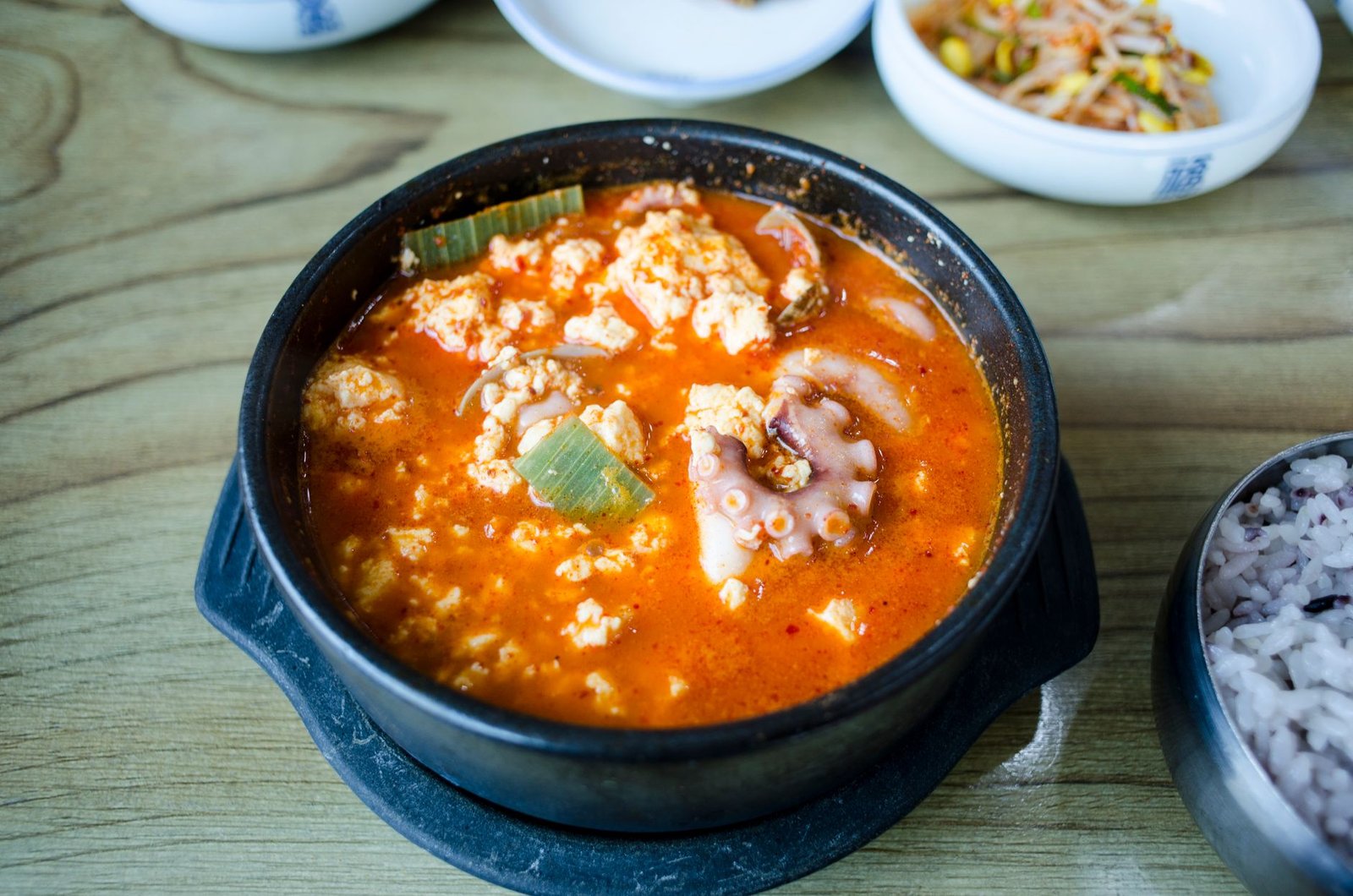
2. Sundubu-jjigae (Soft Tofu Stew)
Sundubu-jjigae is served bubbling vigorously in a thick ceramic bowl. It features uncurdled soft tofu, garlic, gochugaru (Korean red pepper flakes), sesame oil, and a choice of protein such as clams, pork, or seafood broth. A raw egg is frequently cracked into the boiling stew right as it arrives at the table, creating a silky texture as it cooks in the residual heat.
3. Samgyetang (Ginseng Chicken Soup)
Although popular during summer, Samgyetang is equally prized in winter for its thermal properties according to traditional Korean culinary wisdom. This mild herbal soup features a whole young chicken stuffed with glutinous rice, Korean ginseng, dried jujubes (red dates), and garlic cloves. Simmered until the chicken meat pulls easily from the bone, the rich herbal broth offers a comforting, non-spicy meal on freezing afternoons.
4. Galbitang (Beef Short Rib Soup)
Galbitang delivers a clear, deeply savory beef broth cooked with tender beef short ribs, daikon radish, and translucent glass noodles. The meat is braised until soft enough to slip off the bone. Like Seolleongtang, Galbitang is non-spicy, making it an excellent option for travelers seeking mild, nourishing flavors after a long day outdoors.
5. Tteokguk (Sliced Rice Cake Soup)
Tteokguk is traditionally consumed during Lunar New Year to symbolize good fortune and adding a year of age, but it is enjoyed throughout the winter months. The dish consists of thinly sliced oval rice cakes simmered in a gentle, comforting beef or anchovy broth. It is garnished with shredded egg crepes, seasoned ground beef, and toasted laver (seaweed).
6. Dubu-jeongol (Bean Curd Hot Pot)
Dubu-jeongol is a mild, communal hot pot stew centering on fresh tofu, mushrooms, glass noodles, and seasonal winter vegetables simmered in a light, savory broth. Placed on a portable gas burner at your table, the pot remains hot throughout the meal, providing continuous warmth.
Iconic Winter Street Snacks: Hotteok, Bungeoppang, and Eomuk
As winter temperatures drop, street stalls across South Korea light up their griddles and steamers. Street snacks provide an affordable, portable way to stay warm while exploring urban neighborhoods.
7. Hotteok (Sweet Filled Griddle Pancake)
Hotteok is a yeasted dough pancake filled with brown sugar, cinnamon, and chopped nuts such as peanuts, sunflower seeds, or walnuts. The dough ball is placed onto a buttered or oiled flat-top griddle and flattened with a circular metal press. As it cooks, the sugar interior melts into a molten syrup. Hotteok typically costs between ₩1,500 and ₩3,000 (approx. £0.85 to £1.70 GBP, as of October 2026, Unboxing Korea / SeoulKnows) per piece, depending on the filling and region.
Prices and hours can vary by branch and season — check the official site before you go.
Safety Tip: The syrup inside fresh hotteok is extremely hot and can cause burns if bitten into immediately. Allow the pancake to rest in its paper cup for two minutes, or tear off small pieces from the edge first.
8. Bungeoppang (Fish-Shaped Red Bean Pastry)
Bungeoppang stalls are a classic sign of winter in Korean towns. These fish-shaped pastries are made from a waffle-like batter poured into cast-iron molds and filled with sweetened red bean paste or vanilla custard. When searching for freshly baked bungeoppang, look for these key visual cues:
- Fish-shaped cast-iron griddles or rotating mold trays actively baking batter on-site.
- Rising steam and a warm, sweet aroma of baking pastry and red bean filling.
- Stacks or display racks of golden-brown, fish-shaped pastries kept under warming lamps.
- Signs displaying the Korean text 붕어빵 (bungeoppang) or 잉어빵 (ingeoppang).
9. Eomuk (Fishcake Skewers in Warm Broth)
Eomuk consists of ground fish seasoned and folded onto long wooden skewers, then simmered in large rectangular vats of broth made from dried anchovies, kelp, and daikon radish. Stalls allow customers to select skewers directly from the boiling vat. Eomuk typically costs between ₩1,000 and ₩2,000 (approx. £0.55 to £1.15 GBP, as of October 2026, Korea.net / Nomado Travel) per skewer. Guests can ladle free cups of the piping-hot broth directly from the container to drink while eating their skewers.
Sizzling Tabletop Dining: Korean BBQ and Budae Jjigae
Communal tabletop cooking offers both high-quality food and practical warmth, as radiant heat from charcoal grills or gas burners warms the dining room.
10. Budae Jjigae and Korean BBQ
Budae Jjigae (Army Stew) originated in the mid-20th century, combining American ingredients like spam, hot dogs, and canned baked beans with traditional Korean kimchi, gochujang broth, tofu, and instant ramen noodles. Served in a large flat pan over a tabletop burner, it stays boiling throughout the meal. For a broader overview of dining styles, refer to our comprehensive Korea Food Guide: What to Eat, Where to Go, and How to Order.
Korean BBQ features cuts of pork belly (samgyeopsal) or marinated beef ribs (galbi) grilled directly over charcoal at your table. Paired with garlic, lettuce wraps, and hot soybean paste stew (doenjang-jjigae), BBQ restaurants provide an engaging, warming dining experience after dark.
Where to Find the Best Winter Eats in Seoul
Seoul has several dedicated districts and market halls where winter specialties are concentrated within walking distance of public transit.
Gwangjang Market is one of Seoul's oldest continuous street markets. Under its covered roof, bench seating with heated pads keeps diners warm while eating hot soups or fried snacks. For step-by-step navigation and vendor customs, review our Gwangjang Market Food Guide: Ordering Yukhoe, Bindaetteok, and Stall Payment Tips.
Myeongdong Street Food Alley is another convenient winter hub, easily reached via Myeongdong Station (Seoul Subway Line 4, Exits 6 and 8). Both Line 1 and Line 4 support seamless travel using standard T-money transit cards.
Practical Dining Tips for UK Visitors in Korea
Navigating payment options and ordering systems in Korea is simple once you know what to expect at different food venues.
Payment Methods: Cards vs. Cash
Payment acceptance varies based on the venue type across Seoul and other cities:
| Venue Type | Accepted Payment Methods | Notes for UK Travelers |
|---|---|---|
| Myeongdong Tourist Zone Street Stalls | UK Visa, UK Mastercard, Cash | Vendors use registered card terminals accepting international chip-and-pin or contactless payments. |
| Traditional Markets (Gwangjang, Namdaemun, Mangwon) | Cash (Korean Won) | Stalls generally accept cash only. Carry small bills (₩1,000, ₩5,000, and ₩10,000). |
| Independent Pojangmacha (Street Carts) | Cash (Korean Won) | Most carts are cash-only operations without international card terminals. |
| Brick-and-Mortar Restaurants | UK Visa, UK Mastercard, T-money | International cards are universally accepted at indoor dining establishments. |
Ordering Tip: Many traditional soup shops specialize in a single dish. When entering a Seolleongtang or Samgyetang restaurant, staff will often ask simply how many portions you need rather than handing you an extensive menu.
Sampling South Korea's winter dishes offers an authentic taste of local culture alongside reliable physical warmth. By combining street snacks like hotteok and eomuk with sit-down bowls of seolleongtang or galbitang, you can easily stay energized during cold-weather explorations across the country.
Sources checked October 2026: unboxingkorea.com, seoulknows.com, discoverasr.com, korea.net, nomadotravel.app, visitseoul.net.