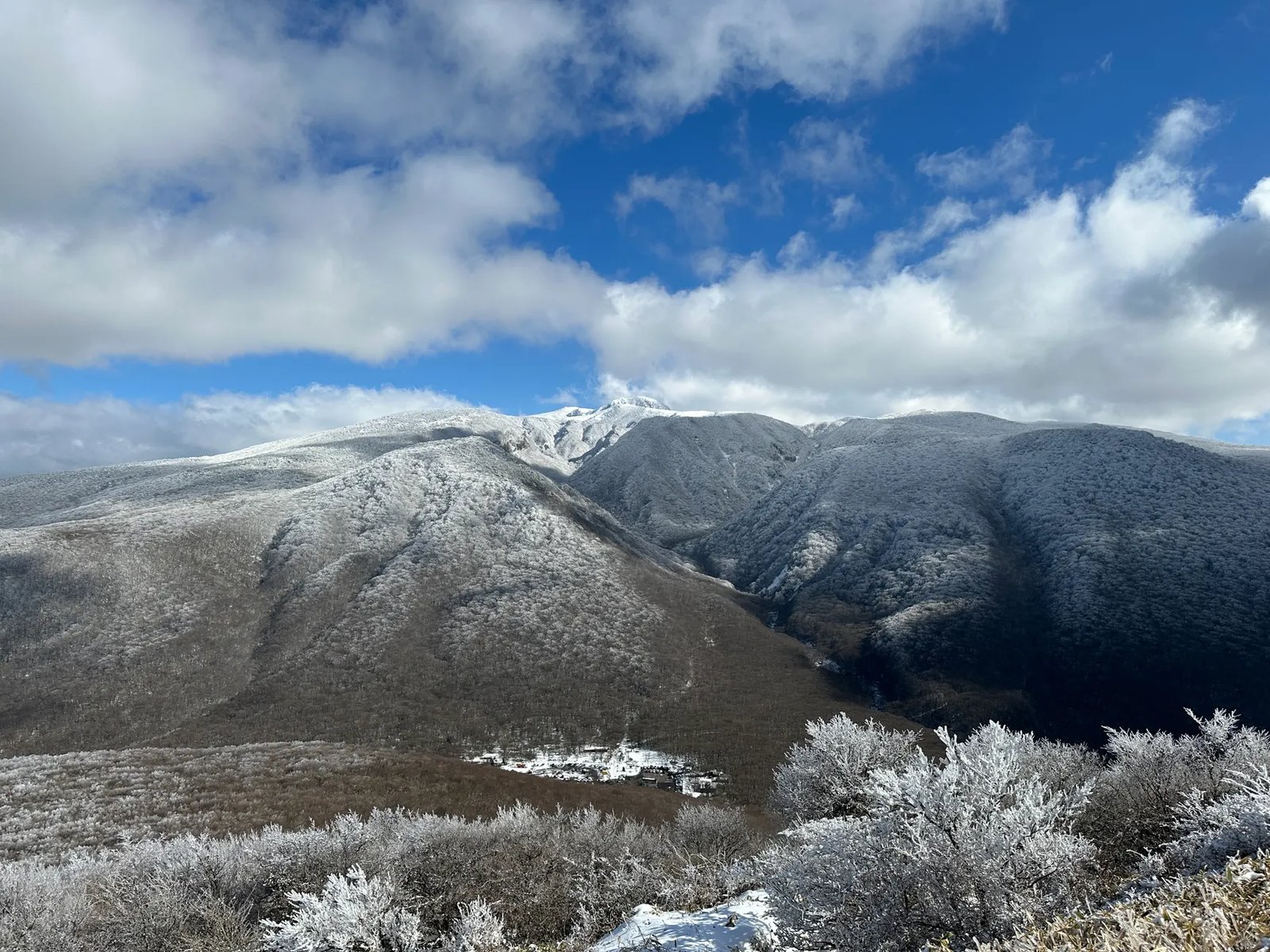
Snow can fall in Jeju in December, but it is most reliable on Hallasan and mountain roads, not at the coast. Plan for wind, ice and flight delays, as snow cover is not certain.
Short answer: how often Jeju gets snow in December
Yes, snow is possible in Jeju in December, but it is not something you can count on for a given day or location. Snow is most likely on Hallasan and the mountain roads, while coastal areas more often get cold rain, sleet or strong wind. When snow does fall near sea level, it often melts quickly.
Readers usually want a number here, such as average snowy days or centimeters of accumulation. The Korea Meteorological Administration publishes climate normals, but I could not confirm the specific December figures for Jeju City and Seogwipo from official tables as of October 2026. Rather than guess, check the KMA site for the long-term averages and the short-range forecast closer to your dates.
The practical takeaway: treat snow as a bonus, not the plan. Build an itinerary that works in wind and rain, and keep a day or two flexible in case weather changes things.
Why Jeju's snow is different from mainland Korea
Jeju is a volcanic island surrounded by sea, so its winter is milder and wetter than inland Korea. Seoul and Gangwon-do have a more stable, dry cold that keeps snow on the ground. Jeju's weather is shaped by moist air and sea winds, which means conditions can swing from wet snow to rain within hours.
Elevation matters more than latitude here. Hallasan rises to nearly 2,000 meters, and the temperature difference between the coast and the upper slopes can be large. You can leave a rainy coastal town and find snow and ice on the mountain roads within a short drive.
- Coast: cold, windy, often rain or brief wet snow.
- Mid-mountain roads: the most likely place to meet ice and snow on a drive.
- Summit area: the most dependable snow, and the most weather-sensitive.
Snow on Hallasan: trail closures and what to check
If your goal is a snowy landscape, Hallasan is the best bet. Two main routes matter for visitors, and their rules differ.
- Seongpanak Trail (to the Baeknokdam summit)
- Advance online reservation is mandatory, limited to 1,000 hikers per day. Reservations open at 09:00 on the first working day of the preceding month (Visit Jeju, as of October 2026). Book through the Hallasan Trail Reservation System at visithalla.jeju.go.kr.
- Yeongsil Trail
- No advance online reservation is required, because it ends at Witse Oreum Shelter rather than the summit (Visit Jeju, as of October 2026).
- December 2026 status
- Trails are listed as open under standard operating conditions, but closures can happen in real time during heavy snowfall or severe winter weather (Visit Jeju, as of October 2026).
For a December trip, that means a reservation can be in hand and the trail still be closed on the day. Treat the booking as permission to try, not a guarantee.
Winter conditions on Hallasan can change fast. Check the park's official notices on the morning of your hike, and be ready to turn back or switch to a lower route if access is restricted.
Because Yeongsil needs no reservation, it is the easier fallback if Seongpanak slots are gone or the summit is closed. Still, ice makes any mountain trail harder in winter, so do not assume a short route is an easy one.
Snow near the coast: Seongsan Ilchulbong and the south
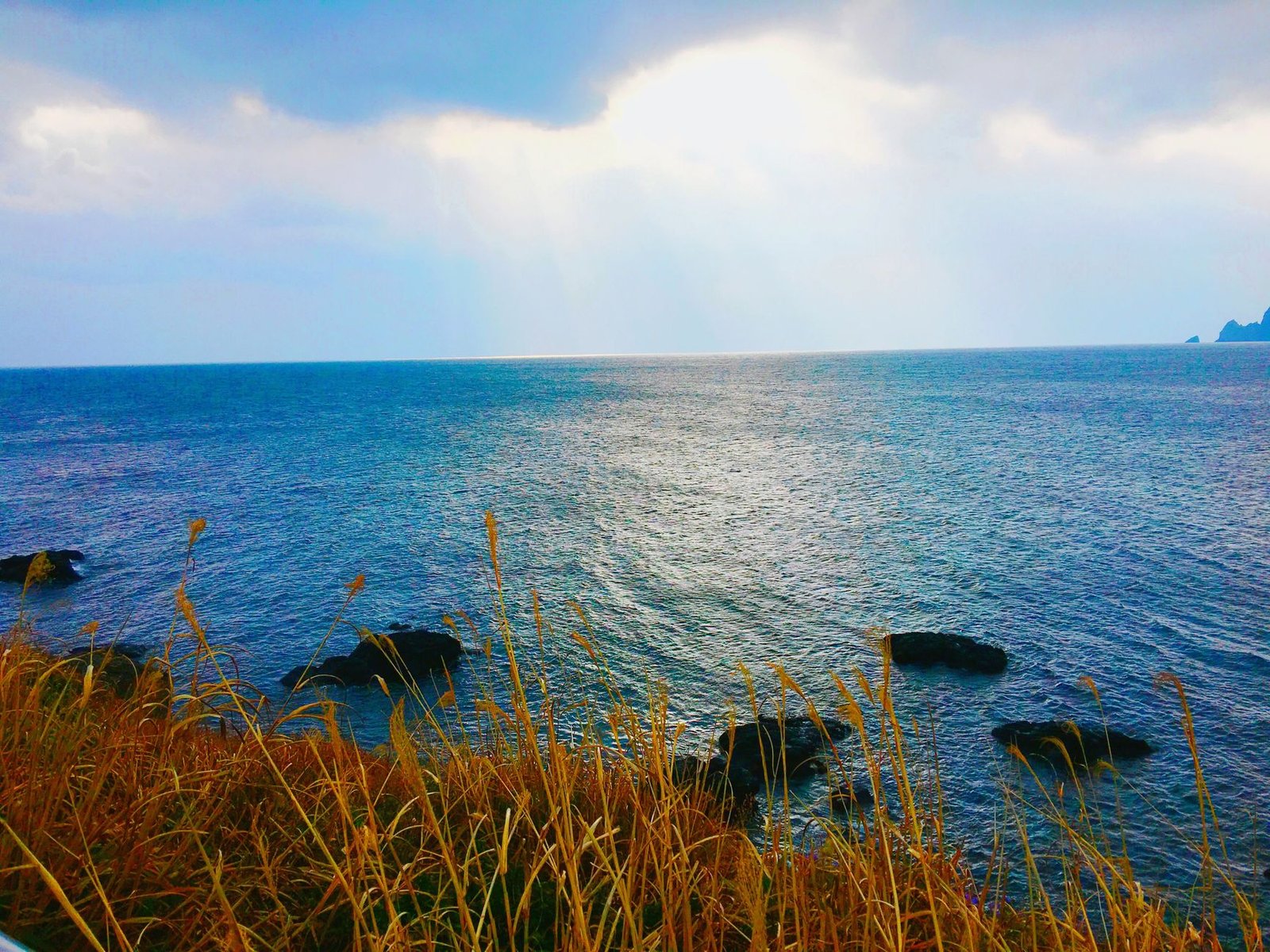
Seongsan Ilchulbong on the east coast and the Seogwipo area on the south are generally the milder parts of the island, but wind is the bigger factor than snow. Cold gusts on exposed cliffs and crater rims make a short walk feel much colder than the forecast number.
If light snow does fall at the coast, it tends to be brief and patchy. Do not plan a day around seeing it. A more realistic approach is to visit coastal sights in the clearest weather window and keep mountain or indoor options for the stormiest day.
Roads are the part to take seriously. Mountain pass roads such as 1100 Road and 516 Road frequently see icy conditions and snow accumulation in winter, and can require tire chains or have restrictions on heavy vehicles during snow advisories (Visit Jeju, as of October 2026). Crossing the island between the north and south coasts may mean using those routes, so check your path before you set out.
If you rent a car, ask the rental company directly what winter equipment is included. I could not confirm any official rule requiring snow tires or chains across all rental operators as of October 2026, so do not assume they are provided. If a snow advisory is active, consider a bus or taxi for mountain crossings instead.
Getting to Jeju in December: flights and weather delays
From the US, you will connect. Total travel time with transit typically runs 15 to 18 hours from the US West Coast and 18 to 22+ hours from the East Coast (Visit Korea, as of October 2026).
Winter weather is the main risk on the last leg. Snowstorms and strong wind warnings frequently cause runway closures, de-icing holds, mass delays and cancellations at Jeju International Airport (The Korea Herald, as of October 2026). Wind is as likely to disrupt flights as snow.
- Avoid tight connections on the day you arrive from the US. Leave a buffer at Seoul.
- Do not schedule your departure from Jeju for the same day as an international flight home. Add a night in Seoul if you can.
- Check your airline's rebooking and waiver policy before you buy.
- Keep the ferry in mind as a backup. Our Jeju from Busan transport and ferry guide covers that option, though sailings can also be affected by rough seas.
For fares and timing, see our guide to cheap flights to Korea in 2026.
Entry rules
US passport holders staying under 90 days do not need a K-ETA in 2026, as the temporary exemption was extended through December 31, 2026 (K-ETA Official Website, as of October 2026). You may still apply optionally to skip the paper arrival card. For the full picture, read our Korea travel update on entry rules and K-ETA.
What to pack and how to check conditions before you go
Pack for cold, wet and windy weather rather than deep snow. Layers work better than one heavy coat, because indoor spaces are warm and outdoor viewpoints are exposed.
- A windproof, water-resistant outer layer
- Thermal base layers, a hat, gloves and a scarf
- Shoes with real grip; smooth soles are risky on wet volcanic stone and icy paths
- Warm socks and a spare pair
- A compact umbrella that can handle wind, or a hooded shell instead
- Hand warmers and a portable phone charger, as cold drains batteries
If you plan to hike on Hallasan in snow, you will need proper winter hiking gear and the judgement to turn back. Ask at the trailhead or park office about equipment expectations on the day.
Before you go, check these in order:
- The KMA forecast for Jeju, a few days before departure and again each morning.
- Hallasan trail status on the official park notices, especially if you hold a Seongpanak reservation.
- Road advisories for 1100 Road and 516 Road if you are driving across the island.
- Your airline's flight status before leaving for the airport.
Cold weather can also affect your budget, since you may spend more on taxis and indoor activities. Our Korea trip cost breakdown for 2026 helps with planning.
Winter Jeju sights that still work without snow
A good winter itinerary assumes the weather may not cooperate. Many of Jeju's best experiences hold up in cold, grey or windy conditions.
- Lava tubes and caves: naturally sheltered and a good option for a rainy day.
- Museums and indoor attractions: Jeju has plenty of them, and they are useful buffers when roads are icy.
- Coastal walks on clear days: Seongsan Ilchulbong and the southern coast can look striking in crisp winter light, as long as the wind is manageable.
- Hot springs and spa stays: a sensible way to spend a cold day. See our wellness tour guide covering Jeju retreats.
- Cafes and local food: seafood and warm dishes make a slow day easy.
For official maps and sightseeing information, the Visit Jeju English map is a useful reference.
In short, December in Jeju is a winter trip with a chance of snow, not a snow trip. Expect cold wind, possible ice on mountain roads and some flight uncertainty. Reserve Seongpanak early if you want the summit, keep a flexible schedule, and have indoor options ready. That approach will serve you well whether or not it snows.
Sources checked October 2026: visitjeju.net, visitjeju.net, chosun.com, koreaherald.com, k-eta.go.kr, visitjeju.net.