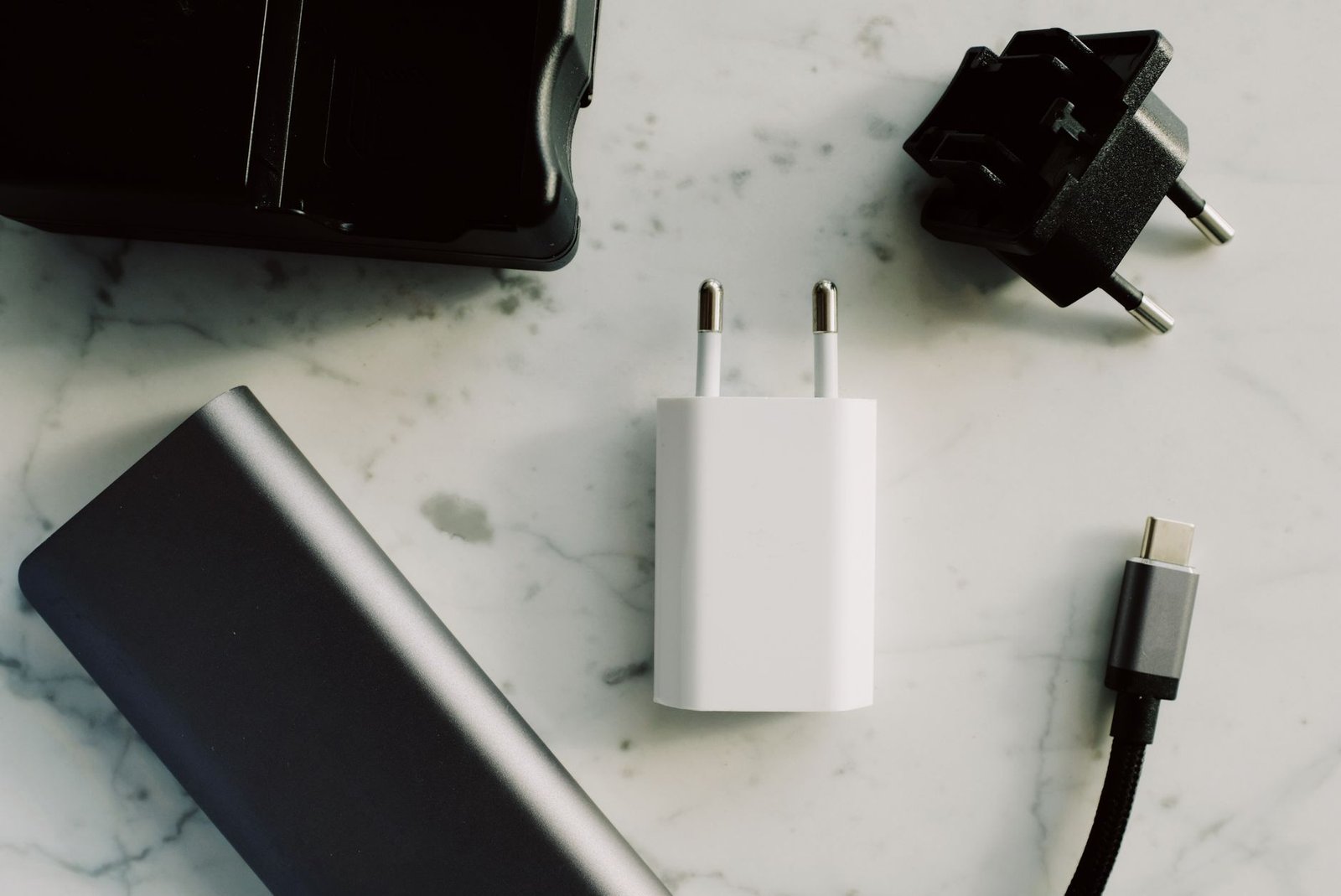
South Korea uses two-round-pin Type C and F sockets at 220V and 60Hz. Australian and NZ visitors need a plug adapter, and a converter only for single-voltage devices.
Which Plug Does South Korea Use?
South Korea uses outlets with two round holes, known as Type C and Type F sockets (Visit Korea). If you live in Australia or New Zealand, you are used to the angled, slanted-pin Type I plug, and that plug will not fit into a Korean wall socket. This is the main reason visitors need an adapter.
An adapter is simply a physical converter for the pin shape. It changes nothing about the electricity itself. That distinction matters in the next sections, because many travelers assume an adapter makes a device safe, when voltage is a separate question.
- Socket shape
- Two round holes (Type C and Type F)
- What you need
- A plug adapter from Type I (Australia/NZ) to round two-pin
- Source
- Visit Korea
A practical point: Type C and Type F plugs are round two-pin designs, so a standard Europlug-style adapter generally suits the sockets you will meet. Choose an adapter that explicitly lists South Korea or "Europe/Asia" round-pin compatibility on the packaging, and check that it has a snug fit with your charger.
Voltage and Frequency: Do Australian Devices Work?
South Korea's standard mains supply is 220V at 60Hz (Visit Korea). Australia and New Zealand run on a nominal supply that is close to this in voltage, but the frequency is different, since both countries use 50Hz. For most modern electronics this frequency difference is not a problem, because their power supplies are designed to accept a range.
The key is the label on your device or its charger. Look for the small print near the plug or on the power brick, usually reading something like "Input: 100-240V ~ 50/60Hz". Devices marked this way are dual-voltage and run safely on Korea's 220V grid with only a plug adapter and no voltage converter (Skyscanner).
Common items that usually carry this wide input range include:
- Phone chargers and USB power bricks
- Laptop chargers
- Camera battery chargers
- Tablet and e-reader chargers
- Many power banks' recharging adapters
Always confirm on the label rather than assuming. Brands and models vary, and older or cheaper chargers sometimes have a narrower range.
Do You Need a Voltage Converter?
Only for single-voltage devices. If a label specifies a fixed voltage, such as 110V only or 230V only, with no dual-voltage capability, it needs a voltage converter to operate safely on 220V 60Hz power (Anker).
In practice, this tends to affect heat-producing or motor-driven personal appliances more than electronics. Hair straighteners, curling irons, travel kettles, and some electric shavers are the usual suspects. Many of these are sold as single-voltage models, so read the label before packing.
Do not rely on a plug adapter alone for a single-voltage appliance. An adapter fits the pins but does not change the voltage, and a mismatched appliance can be damaged or become unsafe.
If your hair tool is not dual-voltage, the simplest solution is often to leave it at home and use a dual-voltage travel model, or to use what your accommodation provides. Whether hotels supply hair dryers could not be confirmed from an official source, so check your booking details or ask the property directly instead of assuming one will be in the room.
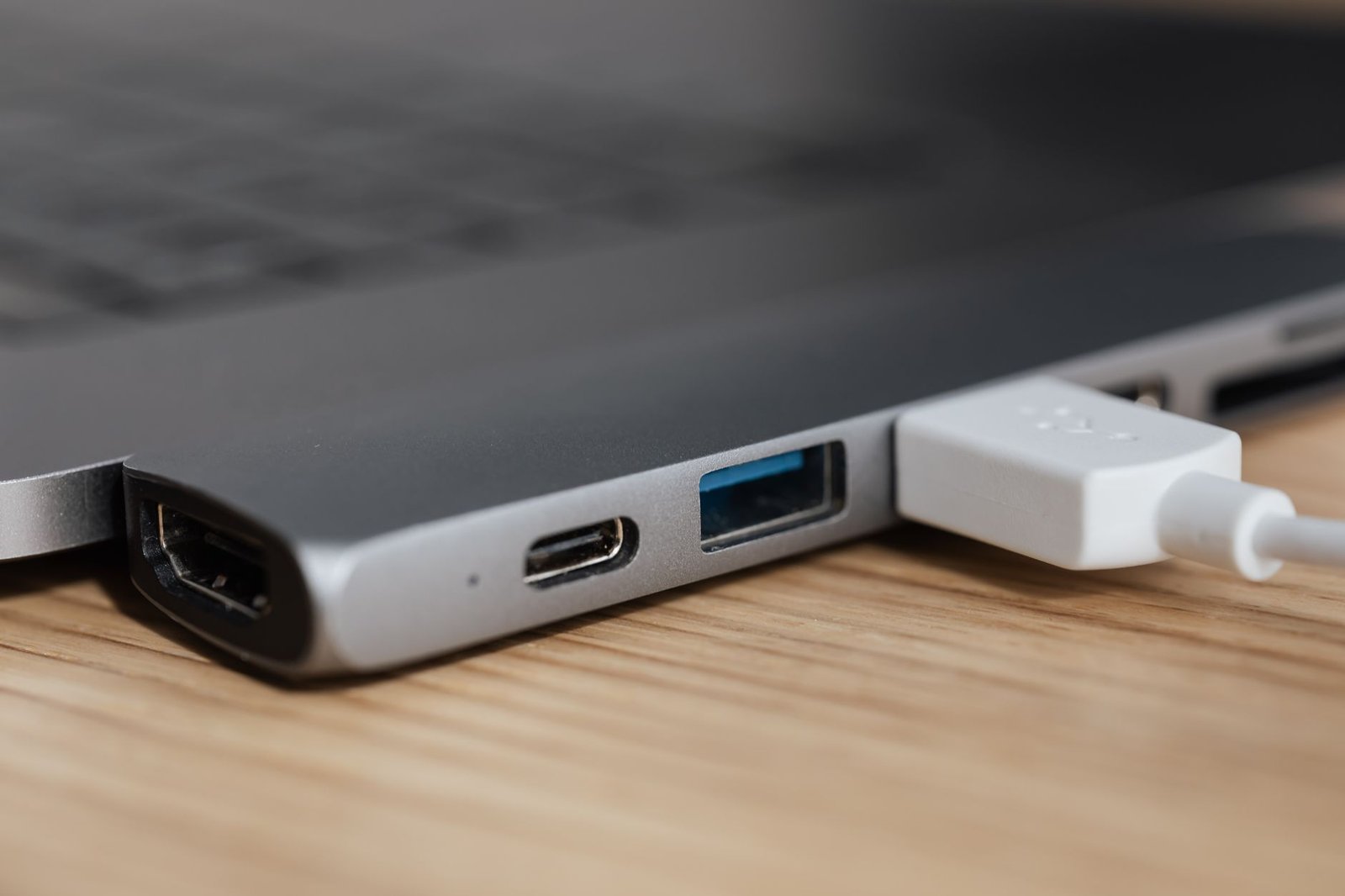
Adapter or Converter: What to Pack
For most visitors from Australia and New Zealand, the packing list is short. A converter is rarely needed, and a compact adapter covers nearly everything.
- Check the labels on every charger and device you plan to bring, looking for the 100-240V input range.
- Pack one round-pin plug adapter, or two if you will charge a phone and a laptop at the same time in different spots.
- Consider a multi-port USB charger with a plug that fits Korean sockets, so one adapter can serve several devices.
- Leave behind any single-voltage heated appliance unless you are bringing a proper voltage converter.
A multi-voltage travel adapter with built-in USB ports saves space and reduces the number of separate chargers you carry. Keep it in your carry-on so you can charge on arrival.
Pack the adapter in your hand luggage rather than your checked bag. If your checked bag is delayed, you will still be able to charge your phone, which you will probably want for maps, translation and transport. If you are setting up transport on your first day, our guide on how to buy and top up a T-money card pairs well with a charged phone.
Where to Buy an Adapter in Korea
If you forget one, you have several straightforward options. Multi-voltage travel adapters can be purchased at Incheon Airport, major duty-free shops, and airport convenience stores (Visit Korea). Buying on arrival is the most convenient choice, though specific prices at these stores could not be verified, so expect airport pricing to be a convenience premium and compare if you have time.
Your hotel
Guests who do not bring an adapter can typically borrow or buy a multi-voltage travel adapter at their hotel's front desk (Visit Korea). Availability varies by property, so ask at check-in rather than waiting until late at night.
Yongsan Electronics Market
Yongsan is Seoul's well-known electronics district. The Visit Seoul listing shows weekday hours of 09:00-20:00 and weekend hours of 09:00-18:00, with closures on the 2nd and 4th Sunday of each month, but this listing has not been updated since 2017, so treat it as unverified and check with individual shops before making a special trip (Visit Seoul).
Myeongdong
Myeongdong street shops are open daily, with hours varying by store (Visit Seoul). The Myeongdong Underground Shopping Center operates from 09:00 to 22:00 daily (as of October 2026, Visit Seoul). Since it is a tourist-focused area, it is a reasonable place to look if you are already shopping nearby, for example for K-beauty products.
Budget shops such as Daiso carry a range of small household items, and our Daiso shopping guide covers what is typically useful. Stock of travel adapters varies by branch, so do not count on it as your only plan.
For budgeting, 1 Australian dollar is approximately 931.41 Korean won (as of October 2026, Xe). For New Zealand dollars, check Xe or your bank directly, as a verified rate was not available.
Power Tips for Hotels, Airports and Trains
Most of the practical problems come from small details rather than the sockets themselves.
- Hotels: Sockets are often limited and placed near the desk or bedside. A multi-port USB charger or a compact extension lead (with a compatible plug) helps if you travel with several devices.
- Airports: Charging points in terminals can be busy. Charge fully before flying home, and keep your adapter within reach rather than at the bottom of a bag.
- Trains and long-distance travel: Do not assume you will find a socket at every seat. Carry a charged power bank, which also avoids the adapter question entirely for the day.
Take a photo of your device labels before you go. If you are unsure at a shop counter, being able to show the 100-240V rating makes it quicker to confirm what you need.
In short: check labels for 100-240V, pack a round-pin adapter in your carry-on, and skip single-voltage heated appliances. If you forget the adapter, Incheon Airport, your hotel front desk, or the shops in Myeongdong and Yongsan are your fallback options. For a broader look at what to bring home, see our Korean skin care shopping guide.
Sources checked October 2026: visitkorea.or.kr, skyscanner.com.au, anker.com, visitseoul.net, visitseoul.net, visitseoul.net.