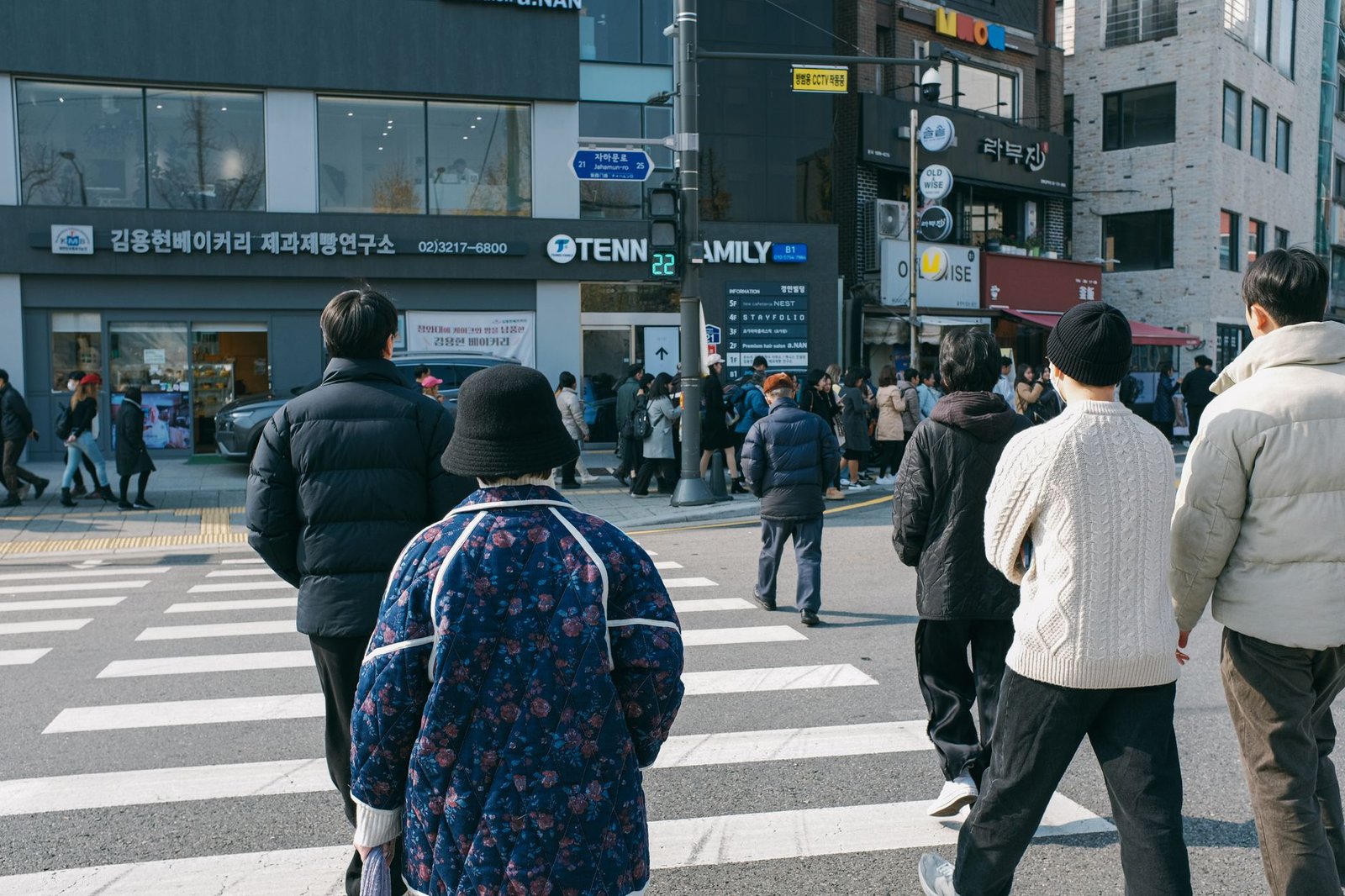
Pack thin thermal layers, a wind-resistant insulated coat, and grippy waterproof shoes. Seoul's cold is dry and its indoor spaces are warm, so layers matter more than one bulky coat.
Seoul Winter Weather: What to Expect
Seoul's winter is cold and dry, and the main skill is dressing for two environments at once: a cold street and a well-heated interior. Exact average temperatures and wind chill figures could not be confirmed from the Korea Meteorological Administration (KMA) for this guide, so check the KMA warnings and forecast page in the week before you fly rather than relying on a number from a blog.
What can be said with confidence: the KMA regularly issues Cold Wave and Heavy Snowfall alerts in winter, and hazardous road conditions such as black ice are common in central Seoul from December through February (as of October 2026, visitkorea.or.kr). Older KMA historical data suggests snow on roughly 8 days in December, 11 in January and 6 in February, but that figure comes from an older source and is unverified, so treat it as a rough pattern only.
Wind is often what makes a day feel harsher than the thermometer suggests. A coat that blocks wind matters more than one that is merely thick.
Check the forecast for both the temperature and the wind. A cold wave alert means you should add a second thermal layer, not just a thicker jacket.
Layering Basics for Cold Days and Heated Rooms
Restaurants, cafes, subway cars, malls and hotels in Seoul are typically well heated. Visitors who wear a single heavy sweater under a puffer often end up overheated indoors and carrying a bundle of clothing. Layers you can remove quickly solve this.
- Base layer: a thin thermal top and, on the coldest days, thermal leggings or long underwear. Merino or synthetic fabrics dry faster than cotton.
- Mid layer: a fleece, light wool sweater or thin down vest. This is the layer you remove indoors.
- Outer layer: a wind-resistant, insulated coat that covers the hips. A knee-length down coat is useful for long outdoor days.
Choose a mid layer that still looks fine on its own, because you will often be sitting in a restaurant wearing only that and your base layer. Avoid heavy knits that take up half your suitcase.
Pick tops with a neckline that works under a scarf. Turtlenecks and mock necks save you from needing a thick scarf on moderate days.
Dry indoor air plus cold wind is hard on skin and lips. Our guide to Korean moisturizers for winter covers what to pick up locally.
Shoes and Accessories for Ice and Snow
Footwear is where many visitors go wrong. With black ice common in central Seoul from December through February (as of October 2026, visitkorea.or.kr), smooth-soled fashion boots and leather sneakers can be slippery on sidewalks, stairs and subway station entrances.
- Boots: waterproof, ankle-height or taller, with a rubber lug sole. Break them in before the trip.
- Socks: wool or wool-blend, with a spare pair in your day bag in case of slush.
- Gloves: touchscreen-compatible gloves help, since you will use maps and translation apps constantly.
- Hat and scarf: a beanie that covers the ears and a neck warmer or scarf.
- Extras: lip balm, hand cream, and small heat packs if you are sensitive to cold.
Wet subway station floors and smooth stone steps at attractions can be slick even when the street is clear. Walk with shorter steps and keep your hands out of your pockets.
Remember that many Korean homes, guesthouses and some restaurants and traditional venues require shoes off. Slip-on boots or easy-to-lace footwear make this far less irritating, and clean, intact socks are a good idea.
What Locals Wear Around the City
Seoul residents commonly wear long padded coats, often in black, navy, grey or beige, over simple layers. Practical, streamlined outerwear is the norm, and you will see many people in knee-length or ankle-length down coats during cold spells. Scarves, beanies and gloves are routine, and many people also use hand warmers and thermal underlayers that are not visible.
Style tends to lean neat and coordinated rather than technical. You do not need hiking gear for city sightseeing, but a clean, simple outfit in muted colours will blend in comfortably. Bright expedition-style jackets are more common at mountain trailheads than in Myeongdong.
Clothing norms around modesty are a separate matter; if you are unsure how that applies in winter, see what to wear in South Korea and the modesty rule.
Dressing for Palaces, Temples and Outdoor Sights
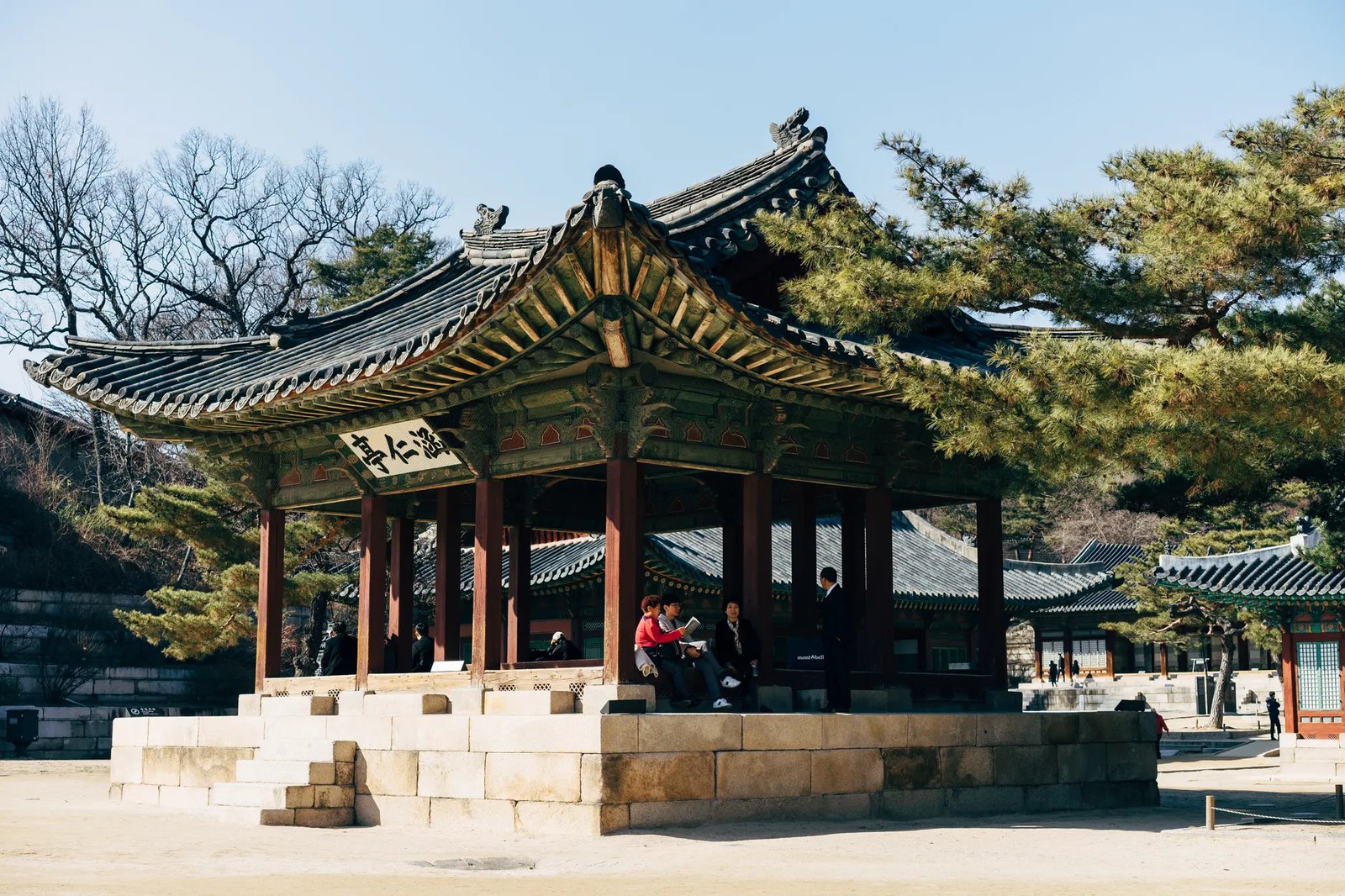
Palaces and temples involve long stretches outside, often on stone courtyards with little shelter from wind. Wear your warmest base and mid layers, a hat, gloves and boots with grip. You will stand still more than you expect while taking photos or listening to a guide, so you cool down faster than when walking between shops.
- Gyeongbokgung Palace, winter hours
- 09:00–17:00, last entry 16:00, closed Tuesdays, November through February (as of October 2026, english.visitkorea.or.kr; older source, verify before visiting)
- Gyeongbokgung Palace, adult admission
- 3,000 KRW (as of October 2026, english.visitkorea.or.kr; older source, verify before visiting)
- National Museum of Korea
- 10:00–18:00, open until 21:00 on Wednesdays and Saturdays, free general admission, closed January 1, Lunar New Year's Day and Chuseok (as of October 2026, visitseoul.net; older source, verify before visiting)
Prices and hours can vary by branch and season — check the official site before you go.
Because the palace closes earlier in winter, plan your outdoor palace visit for the late morning or early afternoon, then move indoors to the museum when you are cold. The museum is a good warm-up stop with a long evening opening on two days a week.
For a full plan that combines outdoor sights with warm stops, see the 7-day Korea winter itinerary.
What to Pack From the US Before You Fly
US visitors tend to make two opposite mistakes: bringing a bulky parka that is too hot indoors, or bringing a stylish coat that is too thin outdoors. Aim for a compact system rather than one heavy item.
- Bring: two thermal base layers, one or two mid layers, a wind-resistant insulated coat, waterproof grippy boots, wool socks, gloves, a hat and a scarf.
- Bring if you are cold-sensitive: thermal leggings, a spare pair of gloves and disposable heat packs.
- Leave at home: bulky snow gear meant for deep-snow sports, multiple heavy sweaters and any shoes you would not trust on ice.
Entry rules do not change with the season. US passport holders are temporarily exempt from the K-ETA through December 31, 2026 (as of October 2026, k-eta.go.kr), and no winter-specific entry rules apply (english.visitkorea.or.kr). Check the official K-ETA notice before travel, especially if your trip falls near or after that date.
If you forget something, heavy outerwear, padded coats, thermal layers and winter accessories are widely available in shopping districts such as Myeongdong and the Dongdaemun complexes including Doota Mall (as of October 2026, visitseoul.net). Price ranges could not be verified, so compare a few shops before buying. Details on Dongdaemun are on the Visit Seoul area page.
Leaving some luggage space also gives you room for winter purchases and for the warm foods you will want to try; see winter Korean dishes worth trying.
Quick Packing Checklist
- Insulated, wind-resistant coat covering the hips
- 2 thin thermal base layers (plus leggings if cold-sensitive)
- 1–2 easily removable mid layers
- Waterproof boots with rubber grip soles, easy to slip off
- Wool socks, including a spare pair
- Touchscreen gloves, beanie, scarf or neck warmer
- Lip balm and hand cream for dry air
- Small day bag for shed layers
- Forecast check on the KMA site before departure
In short: dress in thin layers you can remove, put your budget into the coat and boots, and check the forecast and opening hours shortly before you go. If anything is missing, Seoul's shopping districts can fill the gap.
Sources checked October 2026: kma.go.kr, kma.go.kr, visitkorea.or.kr, visitkorea.or.kr, visitseoul.net, k-eta.go.kr.