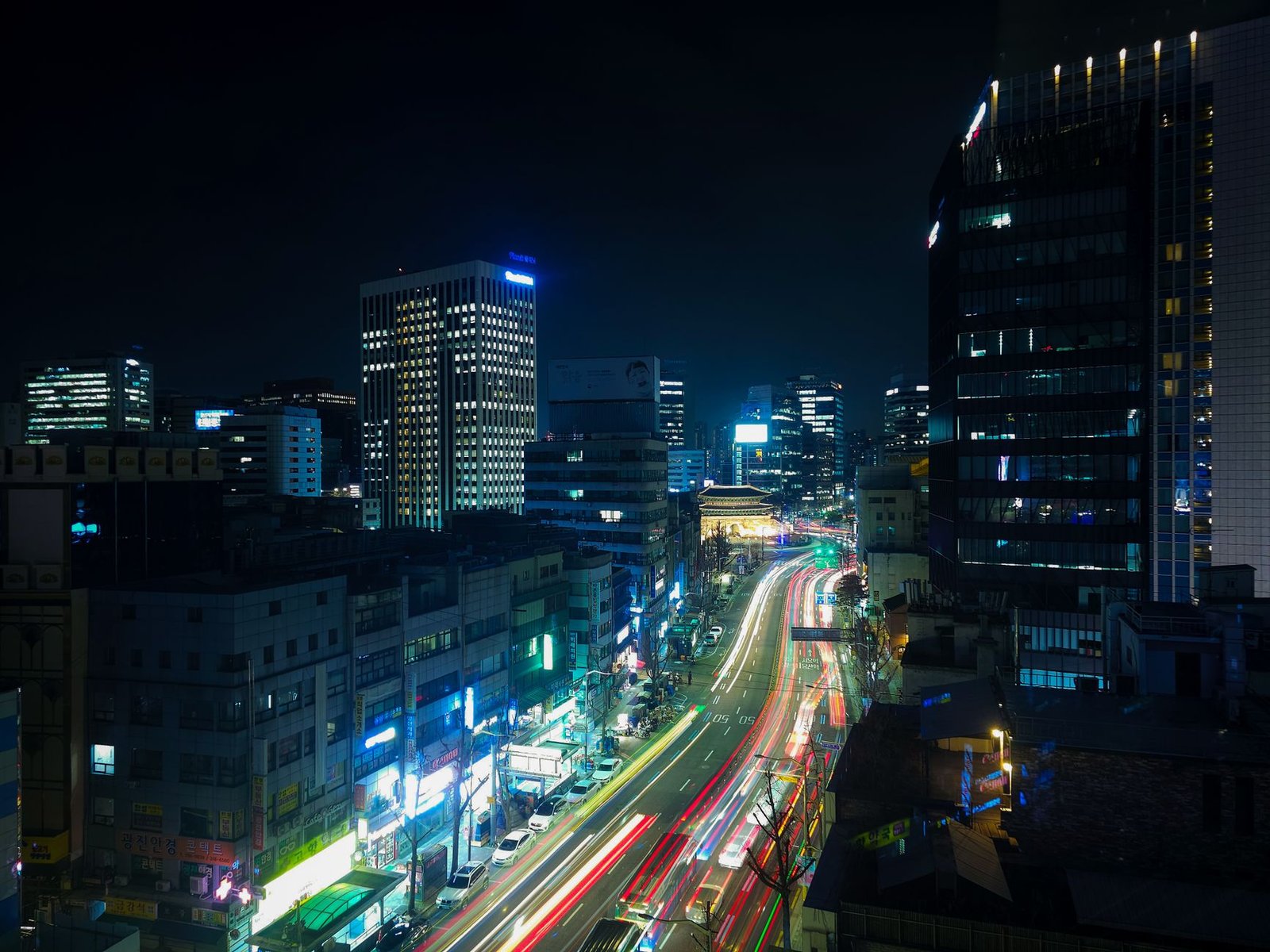
Yes. The US State Department rates South Korea Level 1, "Exercise Normal Precautions" (as of November 2026). Most real risks are everyday ones: taxis, traffic, weather and staying aware of North Korea news.
What the Latest Travel Advisories Actually Say
Searching for a Korean travel warning can turn up alarming headlines, so it helps to start with the primary source. The US State Department lists South Korea at Level 1, "Exercise Normal Precautions" (as of November 2026, travel.state.gov). That is the lowest of the four advisory levels, and the exact wording is "Exercise normal precautions in the Republic of Korea (ROK or South Korea)."
The same advisory page also carries a note about the Korean Peninsula: "Tensions on the Korean Peninsula remain high. North Korea continues to conduct missile launches and other military activities that may increase tensions. Travelers should monitor local developments and remain vigilant" (as of November 2026, travel.state.gov).
Read together, these two statements are not contradictory. The level reflects the overall risk to visitors, and the note reflects a long-running geopolitical situation. It is a reason to stay informed, not a reason to cancel a normal holiday. You can read the current text yourself on the State Department advisory page, and the US Embassy Seoul alerts page lists any security messages for travelers in Korea.
Real Risks Versus Headline Scares
Headlines tend to focus on missile tests and political rhetoric. For a visitor on the ground, the practical risks look different and are far more ordinary.
- Transport and pedestrian hazards: Scooters and delivery motorbikes sometimes use sidewalks, and drivers can be assertive. Look both ways even on a green walking signal.
- Taxi overcharging and retail disputes: uncommon but worth knowing how to handle (see below).
- Weather: typhoons in late summer, heat in July and August, and ice in winter.
- Alcohol-related nights out: the usual city precautions apply, such as watching your drink and keeping your phone and wallet secure.
Violent crime against tourists is not what most visitors encounter. For a broader look at crime, health and emergencies, see our guide Is South Korea Safe to Travel? Crime, Health and Emergency Tips.
North Korea Tensions and What They Mean for Visitors
Tensions on the peninsula are real and long-standing, and the State Department says so directly. In practice, daily life in Seoul, Busan, Jeju and other destinations continues normally, and tourist infrastructure operates as usual.
What sensible monitoring looks like:
- Check the State Department advisory before you book and again before you fly.
- Enroll in the State Department's STEP program so the embassy can reach you if conditions change.
- Follow the US Embassy alerts during your stay.
- Keep a note of the emergency numbers listed below.
If you plan to visit the border area, such as the DMZ, book through an established tour operator and check the operator's current status before you go. Access can be restricted at short notice, so confirm directly with the provider rather than relying on an old itinerary.
Local media may report missile launches in strong language. Korean residents generally treat these as part of the background of life on the peninsula, and the advice to "monitor and remain vigilant" is the practical response.
Everyday Safety: Scams, Taxis, and Nightlife
Most problems visitors report are small and avoidable. Official Seoul guidance gives clear steps for taxis and shopping.
Taxis
- Make sure the taxi uses a meter, check for a yellow commercial license plate, and ask for a receipt (visitseoul.net).
- Avoid unmetered "call vans" and street solicitations offering a flat rate (visitseoul.net).
- Foreigner-friendly ride apps such as TABA or Kakao T are an option, and official QR codes at airports and major tourist hubs let you report overcharging to city authorities. You can also call 1330 (visitseoul.net).
Shopping
Buy from stores that show clear item prices and keep your receipts in case you need to resolve a dispute (visitseoul.net).
Nightlife
Busy nightlife districts are crowded and lively late into the evening. Standard city habits apply: keep your drink in sight, stay with your group, and use a licensed taxi or the subway rather than an unsolicited ride offer. For a closer look at after-dark walking, see Is It Safe for a Solo Female Traveler to Walk at Night in Hongdae or Myeongdong?
Do not accept a flat rate from someone approaching you at the airport or on the street. Use the official taxi stand or a ride app, and insist on the meter.
Weather Hazards: Typhoons, Heat, and Winter Ice
Weather is a more predictable risk than politics. Korea's official typhoon season runs from May through October, peaking between July and September (english.visitkorea.or.kr). Typhoon activity drops to near zero from November through early winter as cold, dry continental air settles over the peninsula (kma.go.kr).
That means a trip in late autumn or winter is unlikely to be disrupted by tropical storms. Instead, the Korea Meteorological Administration's winter advisories focus mainly on freezing temperatures, cold waves and dry air (kma.go.kr).
- Summer: expect heat and humidity, plan indoor breaks, and carry water. If a typhoon is forecast, check flight and ferry status before leaving your hotel.
- Winter: wear shoes with grip, since pavements and steps near temples and mountain trails can be icy, and bring layers and moisturizer for dry air.
For clothing choices that suit local norms as well as the weather, see What to Wear in South Korea: The Modesty Rule That Surprises Visitors. Check forecasts at kma.go.kr before outdoor days.
Entry Requirements for US Passport Holders: K-ETA and Visa Status
US citizens currently have a straightforward entry process. US passport holders are temporarily exempt from obtaining a K-ETA for tourism and short business visits through December 31, 2026 (as of November 2026, english.visitkorea.or.kr). US passport holders also keep visa-free entry for tourism and short visits of up to 90 days (as of November 2026, travel.state.gov).
- K-ETA exemption for US citizens
- Through December 31, 2026 (as of November 2026, english.visitkorea.or.kr)
- K-ETA fee, if required or submitted voluntarily
- 10,000 KRW, non-refundable, roughly $7 to $10 USD (as of November 2026, k-eta.go.kr)
- Visa-free stay
- Up to 90 days for tourism or short visits (as of November 2026, travel.state.gov)
Prices and hours can vary by branch and season — check the official site before you go.
The exemption has an end date. If your trip falls on or after January 1, 2027, check the official K-ETA site for the current rule before you book. Avoid third-party sites that charge extra service fees.
Also confirm your passport's validity requirements with your airline and the official sources before departure.
Emergency Contacts and Where to Get Updates
Save these numbers before you land. They work from Korean mobile phones and many local landlines.
- Police
- 112 (english.visitkorea.or.kr)
- Fire and ambulance
- 119 (english.visitkorea.or.kr)
- 1330 Korea Travel Hotline
- 24 hours a day, 7 days a week, in English, Korean, Japanese and Chinese (as of November 2026, english.visitkorea.or.kr)
- 1330 additional languages
- Russian, Vietnamese, Thai and Malay, daily 08:00 to 19:00 KST (as of November 2026, english.visitkorea.or.kr)
For official safety information in English, the SafeKorea portal collects useful links, and the US Embassy alerts page covers anything specific to American citizens. The 1330 line is also the right call for taxi complaints and general travel questions.
Practical Tips Before You Fly from the US
Flight times affect how you plan your first days. Nonstop flights from US West Coast hubs such as Los Angeles, San Francisco and Seattle to Incheon take 11.5 to 14 hours, while East Coast hubs such as New York and Atlanta take 14.5 to 16 hours (as of November 2026, airport.kr). Return flights are roughly 1 to 2 hours shorter because of Pacific jet stream tailwinds (airport.kr).
- Check the State Department advisory and enroll in STEP before you leave.
- Confirm K-ETA status if your travel dates extend into 2027.
- Save 112, 119 and 1330 in your phone, and download Kakao T or TABA.
- Buy travel insurance that covers medical care, since you may pay up front abroad.
- Pack for the season, with grip-soled shoes in winter and heat protection in summer.
- Plan a light first day to recover from jet lag.
For planning once you arrive, the Seoul Travel Guide: Complete Planner for First-Time Visitors is a good next step.
In short, South Korea is a low-risk destination for US visitors as of November 2026. Keep an eye on official updates, use metered taxis, dress for the weather, and you are prepared for the situations that actually arise.
Sources checked November 2026: state.gov, usembassy.gov, visitkorea.or.kr, k-eta.go.kr, fastonwardtickets.com, efmdglobal.org.