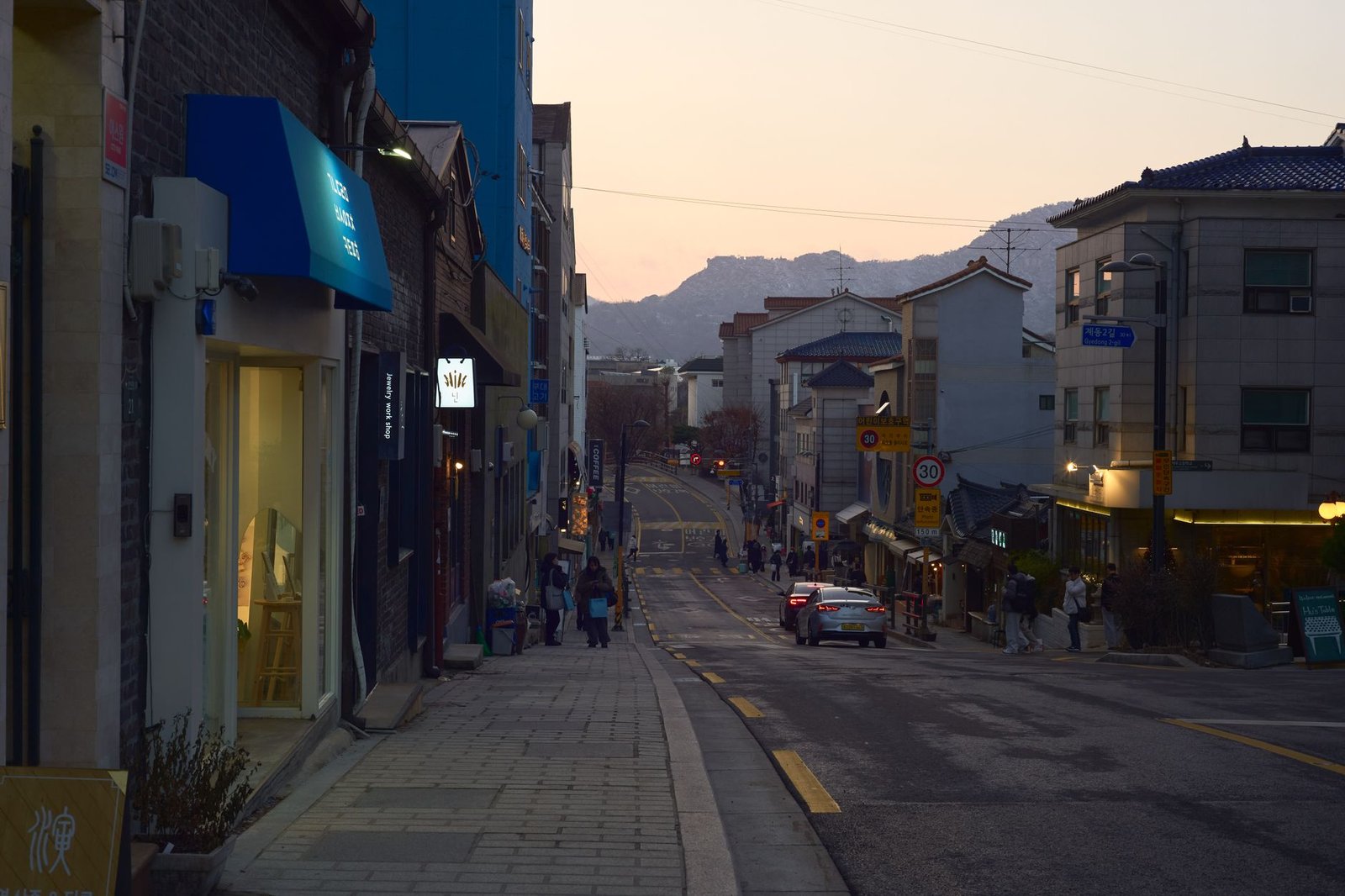
For most first-time visitors, Jongno or Myeongdong is the easiest base, with Hongdae for nightlife and Gangnam for shopping. All are linked by subway, so choose by your priorities.
How Seoul Is Laid Out: The Han River and Subway Basics
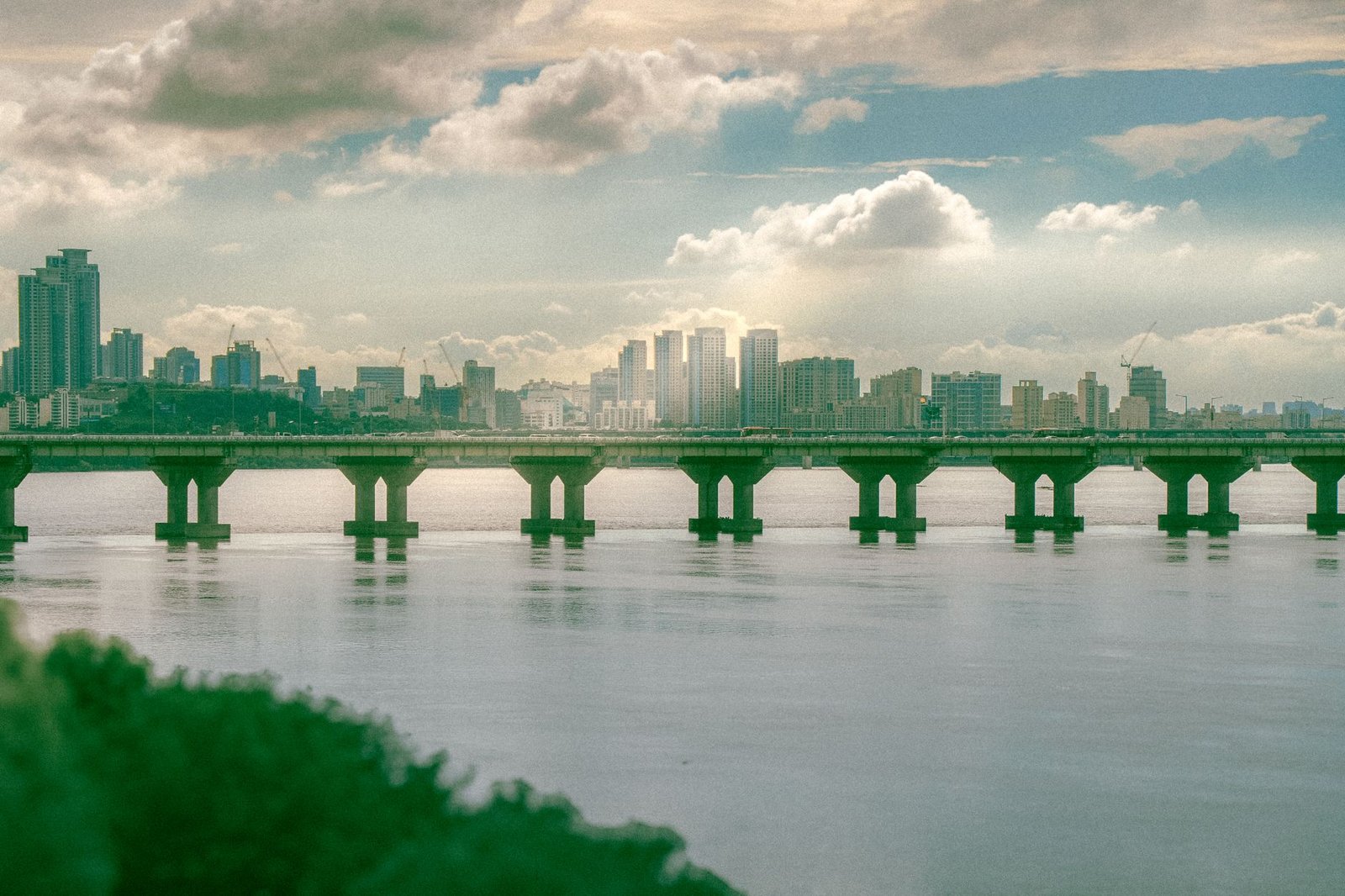
Seoul is split by the Han River into a northern half and a southern half. The older, historic core sits north of the river, with the palaces, traditional lanes and central shopping streets. South of the river, Gangnam is the modern business, retail and entertainment district. Hongdae lies to the northwest, Itaewon and Yongsan sit near the middle, and Seongsu is to the northeast across the river from Gangnam.
The subway is the backbone of any visit. Lines are numbered and color-coded, station names are shown in English and Korean, and exits are numbered. Learning to read exit numbers is the single most useful habit, because the wrong exit can add a long walk above ground. A navigation app set to English helps; see our Naver Map English setting guide for setup.
- Subway fare
- ₩1,550 with a T-money card, ₩1,650 for a single-use ticket (as of November 2026, Visit Seoul)
- Entry rules for US passport holders
- US passport holders are temporarily exempt from K-ETA through December 31, 2026 (as of November 2026, Visit Korea); other nationalities should check the official K-ETA site. US travelers may still apply voluntarily for a non-refundable fee of 10,000 KRW plus a 3% online processing fee.
Prices and hours can vary by branch and season — check the official site before you go.
Specific transfer times between Jongno, Hongdae and Gangnam were not available in the official data we checked, so plan on a ride of a fairly substantial length between them and check your route in a map app on the day.
Jongno and Myeongdong: Palaces, Old Streets and Central Stays
The feel of the area
Jongno is where Seoul's history is most visible: royal palaces, hanok lanes, tea houses and old markets, with office towers close by. Myeongdong, a short distance away, is the busiest retail and street-food zone, packed with cosmetics shops, crowds and bright signs. Together they make the most convenient base for a first trip, since many subway lines converge in the area.
Palace hours
- Gyeongbokgung: 09:00–17:00 from November to February, 09:00–18:00 in March–May and September–October, 09:00–18:30 in June–August. Last entry is one hour before closing. Closed Tuesdays, or the next business day if that is a holiday (as of November 2026, Visit Korea).
- Changdeokgung: 09:00–17:30 from November to January, 09:00–18:00 in February–May and September–October, 09:00–18:30 in June–August. Last entry is one hour before closing. Closed Mondays, or the next business day if that is a holiday (as of November 2026, Visit Korea). More detail is on the Visit Seoul Changdeokgung page.
Because the two palaces close on different days, a Monday or Tuesday plan needs one of them. Winter closing times arrive early, so start in the morning.
A simple walking route
- Start at Gyeongbokgung in the morning, while the palace is open.
- Walk east through the lanes toward Bukchon and Samcheong-dong for hanok streets and cafes.
- Continue to Insadong for tea and craft shops, then cross to Changdeokgung if it is open that day.
- Finish toward Myeongdong for dinner and an evening stroll.
What to eat, what to skip
Look for kalguksu (knife-cut noodle soup), mandu, and hanjeongsik set meals around Jongno. In Myeongdong, street snacks are fun but priced for tourists; a sit-down meal a few streets away is often better value. Our first-timer food guide explains the dishes.
Best time: mornings for palaces, evenings for Myeongdong's lights. Skip Myeongdong at peak weekend afternoons if you dislike crowds.
Hongdae and Mapo: Music, Nightlife and Indie Culture
The feel of the area
Hongdae, around Hongik University, is young, loud and open late. Buskers perform on the streets, small clubs and bars fill side lanes, and independent boutiques and cafes sit between them. Neighboring Mapo has quieter residential pockets and a mix of long-running restaurants, which suits travelers who want nightlife nearby without sleeping on the main strip.
Getting there
Hongik University Station is the usual arrival point, and it is served by multiple lines, including an airport rail connection. Exit numbers matter here, as the busiest streets are a short walk from particular exits; check your map before surfacing.
A walking route
Begin in the afternoon on the main shopping street near the university, drift into the side lanes for cafes and secondhand shops, watch street performances as evening arrives, then move on to dinner and bars. Mapo's side streets work well for a calmer meal.
What to eat, what to skip
Try Korean BBQ, fried chicken with beer, tteokbokki and late-night snacks. If you plan to grill, our Korean BBQ guide covers ordering and wrapping. Skip restaurants with only photo menus on the busiest corners if value matters; walk two or three streets in for better options.
Hongdae peaks late, especially on Friday and Saturday nights. For a calmer visit, come in the late afternoon and leave before the main crowds.
Gangnam and Seongsu: Shopping, Cafes and Modern Seoul
Gangnam
Gangnam, south of the river, is wide, polished and commercial. Expect large department stores, underground shopping arcades, office towers, clinics and busy restaurant streets. It feels less historic than the north, but it is efficient and comfortable, and a good base if you prefer modern hotels and easy access to convention areas.
Gangnam Station is the main hub and its exits are numerous, so check which exit leads to your destination. The underground passages can be a useful shortcut in cold or wet weather.
Seongsu
Seongsu, often compared with Brooklyn, mixes former factories and workshops with design shops, pop-up stores, roasteries and cafes. It is best explored on foot without a strict plan. Seongsu Station is the common starting point, and weekdays are less crowded than weekends.
A walking idea
- Reach Seongsu around late morning and have coffee at one of the converted warehouse cafes.
- Browse concept stores and small galleries in the surrounding lanes.
- Take the subway to Gangnam in the late afternoon for department stores and an evening meal.
What to eat, what to skip
Gangnam is good for upscale Korean dining, galbi and international restaurants. Seongsu is better for brunch, bakeries and specialty coffee. Skip waiting in long cafe queues if time is short; there are usually similar places a block away.
At upscale restaurants and major hotels, a 10% service charge and 10% VAT may be added to the bill (as of November 2026, Visit Seoul). Tipping is otherwise not expected in Seoul (as of November 2026, Visit Korea).
Itaewon and Yongsan: International Dining and Museums
The feel of the area
Itaewon is Seoul's most international district, with a hillside of restaurants, bars and small shops, and a long-standing mix of residents and visitors. Neighboring Hannam is more upscale and design-focused. Yongsan, just next door, is known for large museums, an electronics market and a growing park and retail area.
Getting there
Itaewon Station is on a main line, and Noksapyeong and Hangangjin stations give access to quieter parts of the area. The streets are hilly, so comfortable shoes help. Yongsan Station connects to long-distance rail, which makes this area handy if you plan day trips beyond Seoul.
A walking route
Start with a museum in Yongsan in the morning, walk or ride toward Itaewon for lunch, then explore the side streets and viewpoints on the hill. In the evening, choose a restaurant based on cuisine: Itaewon is a good place for a break from Korean food, or for halal-friendly options, which the Visit Korea Muslim-friendly restaurant list can help you locate.
What to skip
If your goal is traditional Korean sightseeing, Itaewon is not the place; it works better as a second-night base or an evening stop. Late weekend nights can be very busy.
Where to Stay by Budget and Travel Style
Official sources list individual properties but do not publish typical nightly price ranges by district, so check current rates on booking sites for your dates. Instead of price, choose by how you like to travel.
| Area | Best for | Trade-off |
|---|---|---|
| Jongno / Myeongdong | First visits, palaces, central transit | Crowded shopping streets, quieter nightlife |
| Hongdae / Mapo | Nightlife, music, younger travelers | Noise late at night |
| Gangnam | Shopping, modern hotels, business trips | Farther from historic sights |
| Seongsu | Cafes, design, a local feel | Fewer major sights nearby |
| Itaewon / Yongsan | International dining, museums | Hilly streets, busy weekends |
For a first trip of four to five days, staying near a station on several lines matters more than the exact neighborhood. Look at the walking distance to the station exit, and avoid properties that need a steep uphill walk with luggage.
Getting Around Between Neighborhoods: Subway, Taxi and T-money
A T-money card is the simplest way to pay for subway and bus rides. It can be bought and topped up with cash at convenience stores such as CU, GS25 and 7-Eleven, and at top-up machines in subway stations (as of November 2026, Visit Seoul). The card fare is ₩1,550, versus ₩1,650 for a single-use ticket (as of November 2026, Visit Seoul).
Single-use tickets carry a ₩500 deposit that is refunded at Deposit Refund Devices inside stations (as of November 2026, Visit Seoul). Keep the ticket and return it at your final stop, or the deposit is lost.
Taxis are useful late at night, with heavy luggage, or when the subway route needs several transfers. Have your destination in Korean script on your phone. Official transport details are on the Visit Seoul transportation page.
To wrap up: for a first trip, base yourself in Jongno or Myeongdong, add Hongdae for a night out, and spend a half day each in Seongsu, Gangnam and Itaewon. Check palace closing days before fixing your schedule. For meals along the way, the Korea food guide helps with ordering.
Sources checked November 2026: visitseoul.net, visitseoul.net, visitkorea.or.kr, visitkorea.or.kr, k-eta.go.kr, visitkorea.or.kr.