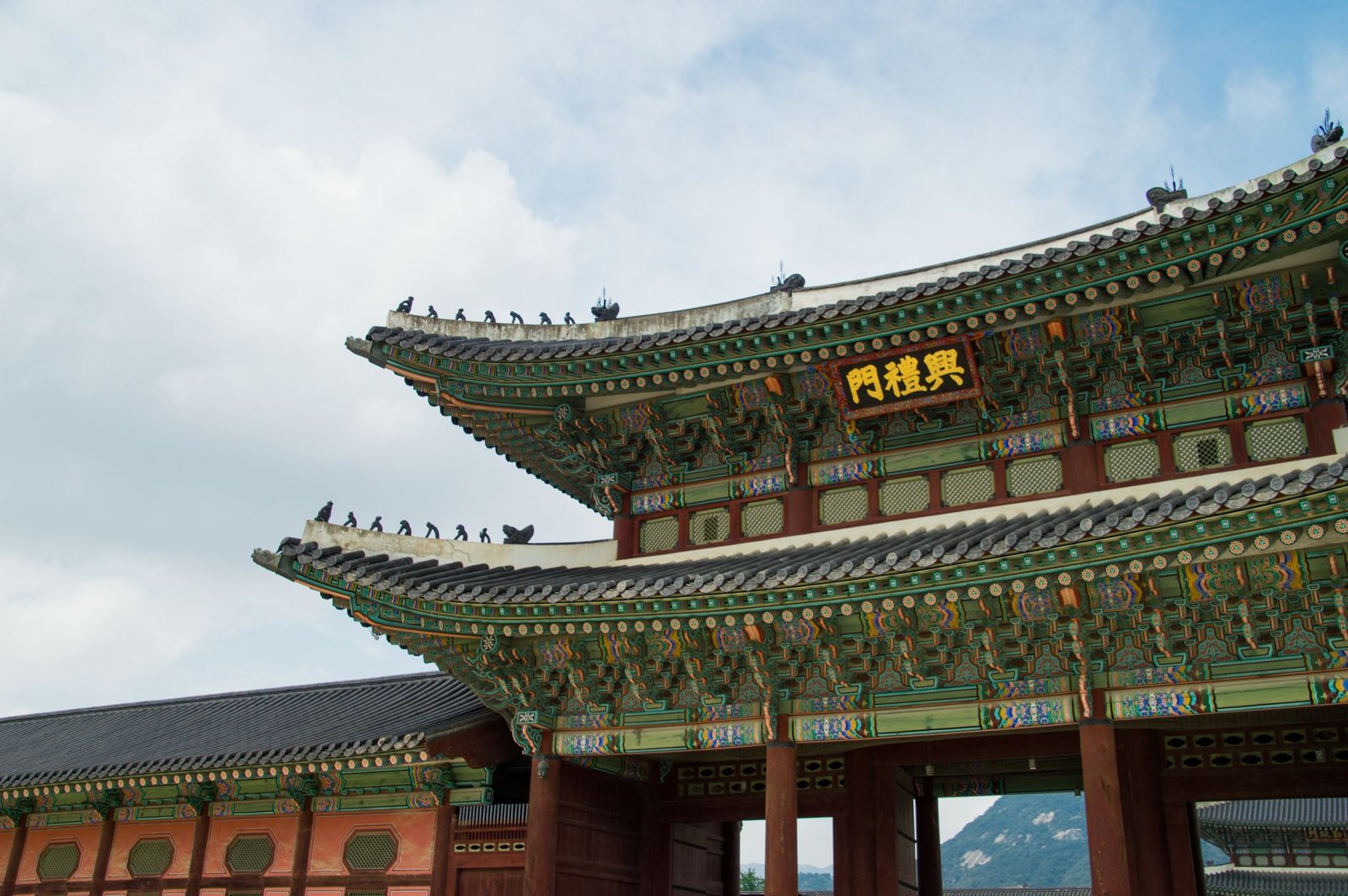
Check the official government holiday calendar, then allow for lunar dates and substitute days.
Quick answer: how to check if a date is a Korean holiday
South Korea has a fixed set of statutory public holidays, plus lunar-calendar holidays whose Gregorian dates change each year, plus substitute holidays that move a day off to a weekday when a holiday lands on a weekend. A date can therefore be a holiday even when nothing in a standard Western calendar hints at it.
- Look up your travel dates on an official Korean holiday calendar (see the last section).
- Check whether any holiday falls on a Saturday or Sunday. If so, the following Monday is often a substitute holiday.
- If your dates touch Seollal or Chuseok, treat the whole week as a peak travel period and book transport early.
- Check the specific attraction, restaurant or tour operator rather than assuming a holiday means closed.
The practical point for US visitors: a holiday in Korea rarely shuts down a city for tourists, but it changes which services work, how crowded trains and roads are, and which museums or shops are closed.
Korea's main public holidays and what they are
Korean holidays mix national commemorations, Buddhist and lunar observances, and family holidays. Here are the ones most likely to affect a trip, with the 2026 dates from the Korea Customs Service FTA Portal (as of November 2026).
| Holiday | What it is | 2026 date |
|---|---|---|
| Seollal | Lunar New Year, a family holiday | February 16-18 (Lunar New Year's Day is February 17) |
| Independence Movement Day | Commemorates the March 1 movement | March 1 (Sunday), substitute on March 2 |
| Buddha's Birthday | Buddhist holiday set by the lunar calendar | May 24 (Sunday), substitute on May 25 |
| Liberation Day | Marks liberation from Japanese rule | August 15 (Saturday), substitute on August 17 |
| Chuseok | Korean Thanksgiving, a family holiday | September 24-26 (Chuseok Day is September 25) |
| National Foundation Day | Traditional founding of the nation | October 3 (Saturday), substitute on October 5 |
Hangul Day on October 9 is also an official statutory public holiday with a nationwide day off, not merely a commemorative day (English.visitkorea.or.kr). Children's Day in May is another statutory holiday that visitors tend to notice because attractions fill with families.
Dates above are those listed in the research source for 2026; for any other year, confirm against the official calendar rather than assuming the same pattern.
Lunar holidays: Seollal and Chuseok travel rush
Seollal and Chuseok follow the lunar calendar, so their Gregorian dates shift from year to year. In 2026, Seollal was observed from Monday, February 16 to Wednesday, February 18, and Chuseok from Thursday, September 24 to Saturday, September 26 (Korea Customs Service FTA Portal, as of November 2026). Buddha's Birthday is also lunar-based, which is why it landed on a Sunday in 2026.
These two are the big family holidays. Many Koreans travel to their hometowns, so expressways, trains and intercity buses are crowded around the days before and after. Seoul itself can feel noticeably quieter on the holiday days, with some small restaurants and independent shops closed while families are away.
Department stores are a common surprise. Lotte, Shinsegae and Hyundai were closed on Seollal Day (February 17, 2026) and Chuseok Day (September 25, 2026), plus typically one adjoining day, either the day before or after (Seoulstart, as of November 2026). Check the specific store's notice if your plans depend on it.
Hotels and tourist attractions mostly continue operating. Prices for flights, trains and some accommodation can rise around these periods, so compare options before you commit, and avoid tight same-day connections.
Substitute holidays and temporary holidays explained
Under the Regulations on Designation of Public Holidays for Government Offices, when a statutory public holiday falls on a Saturday or Sunday, the first non-holiday weekday immediately after it is designated as a substitute holiday, called daeche gonghyuil (Korea Customs Service FTA Portal). The result is often a three-day weekend.
The 2026 triggers listed in the research notes (Korea Customs Service FTA Portal, as of November 2026):
- Independence Movement Day: Sunday, March 1, so Monday, March 2 is the substitute day.
- Buddha's Birthday: Sunday, May 24, so Monday, May 25 is the substitute day.
- Liberation Day: Saturday, August 15, so Monday, August 17 is the substitute day.
- National Foundation Day: Saturday, October 3, so Monday, October 5 is the substitute day.
A substitute holiday is treated like any other public holiday for government offices, post offices and bank branches. Because the day is a Monday in these cases, it can easily catch visitors who plan banking or paperwork for the start of the week.
The government can also designate additional temporary holidays in some years, typically announced in advance. The research notes do not list any for the period covered here, so check the official calendar for your specific dates instead of assuming none exist.
What closes and what stays open on holidays
Closures depend on the type of business. A rough guide for visitors:
- Banks, post offices, government offices
- Closed on all statutory public holidays and substitute holidays (VisitKorea, as of November 2026).
- Department stores
- Closed on Seollal Day and Chuseok Day plus typically one adjoining day; open on non-lunar holidays such as Children's Day, Liberation Day or Hangul Day, with standard or slightly extended hours (Seoulstart and VisitKorea, as of November 2026).
- Royal palaces
- Generally open on public holidays, with a closure-day shift (see below).
Prices and hours can vary by branch and season — check the official site before you go.
Palaces and the closure shift
Gyeongbokgung is closed every Tuesday under standard operation (VisitSeoul.net), and Changdeokgung is closed every Monday (K-Royal Culture Festival / VisitKorea). If that weekly closing day falls on an official public holiday, the palace opens on the holiday and shifts its day off to the next non-holiday weekday (VisitSeoul.net, as of November 2026).
That matters with substitute holidays: Changdeokgung's usual Monday closure would be set aside on a Monday substitute holiday such as March 2, May 25, August 17 or October 5, 2026, with the day off moving to the next non-holiday weekday. Verify on the palace's official page before you go.
Regular hours apply on public holidays unless a day is designated for a special evening admission program: March to May and September to October 09:00-18:00; November to February 09:00-17:00/17:30; June to August 09:00-18:30; last entry one hour before closing (VisitKorea).
Banks and exchange counters are the practical problem. If you need to change money or sort out a bank matter, do it the weekday before a holiday. Airport exchange counters and ATMs are easier fallbacks, but confirm availability for your own dates.
Transport and booking tips for holiday weeks
Holiday weeks are mainly a booking problem. Seollal and Chuseok in particular have dedicated reservation windows for KORAIL, the national railway.
- Seollal 2026: online reservations for travel from February 13 to 18 opened on January 13, 2026 (KORAIL, as of November 2026).
- Chuseok 2026: dedicated online reservations for travel from September 23 to 27 ran from September 3 to September 11, 2026 (KORAIL, as of November 2026).
- Ordinary periods: standard train tickets open two months before departure at 07:00 (LACHA Mobility / KORAIL, as of November 2026).
For intercity and express buses, there is no single published national calendar for Seollal and Chuseok opening dates. Bookings appear on the Kobus and T-money TxBus portals as individual operators upload holiday timetables, so check those sites regularly and do not rely on a fixed date.
If you are in Korea over a lunar holiday, make long-distance bookings as early as the system allows, and consider scheduling the long trips on the holiday days themselves only if you have confirmed seats. Rental cars and driving carry the added risk of heavy expressway traffic.
For general trip structure around Seoul, the Seoul Travel Guide: Complete Planner for First-Time Visitors helps with sequencing sights, and if you are flying in on the national carrier, see Is Korean Air a Good Airline? What Canadian Travellers Should Know for flight-side context.
Guided tours and private operators set their own holiday schedules. Some run as normal, others pause around Seollal or Chuseok, so confirm directly in writing before paying a deposit.
Checking the official holiday calendar before you travel
Do this when you plan the trip and again a few weeks before departure. Holiday dates, substitute days and any temporary designations are set by Korean authorities, and the official calendar is the source to trust over a general search result.
- Open an official source, such as the Korea Customs Service FTA Portal page that lists the year's holidays, or the VisitKorea holiday pages, and note each holiday that touches your dates.
- Mark any weekend holidays and the Monday substitute days that follow them.
- Check the website or social page of every attraction, restaurant and tour on your list for holiday hours.
- Confirm train bookings against KORAIL notices, and check Kobus or T-money TxBus for buses.
- Keep one flexible day in the itinerary in case a closure surprises you.
Official references from the research include the Korea Customs Service holiday page, the VisitSeoul Gyeongbokgung page, and the KORAIL notice page.
Safety and general travel conditions are separate questions from holiday timing; the Korean Travel Warning: Is South Korea Safe for US Visitors? guide covers that side. In short: look up your dates, watch for weekend holidays and Monday substitutes, expect closures at banks and, around Seollal and Chuseok, at department stores, and book trains early. With that done, a Korean holiday is usually an interesting time to visit rather than a problem.
Sources checked November 2026: customs.go.kr, visitkorea.or.kr, visitseoul.net, kh.or.kr, grandmercureimperialpalace.com, visitkorea.or.kr.